
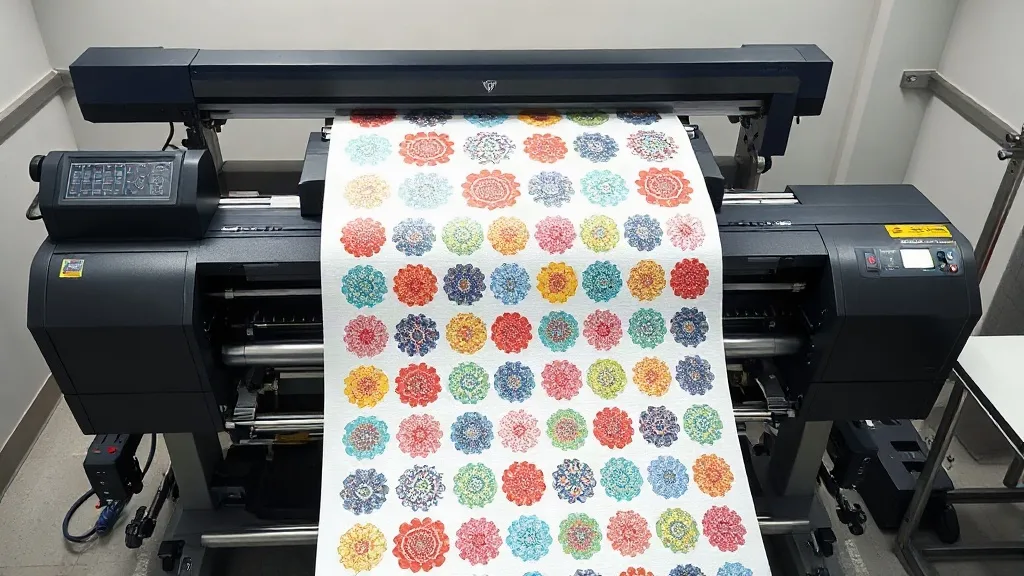
In the competitive world of custom apparel, efficiency and cost-effectiveness are key to staying profitable. Whether you run a small print shop or a large-scale production facility, the way you handle printing can make or break your business. One tool that has gained significant traction is the DTF Gangsheet. This innovative approach to direct-to-film printing allows you to arrange multiple designs on a single sheet, maximizing your resources and minimizing waste. In this article, we'll explore what a DTF gangsheet is, how it works, and why it might be the game-changer your workflow needs.
What Is a DTF Gangsheet?
A DTF Gangsheet is essentially a large sheet of DTF film that contains multiple designs printed together. Instead of printing each design individually, you gang them up on one sheet, hence the name. This method is particularly useful for small to medium-sized designs that would otherwise leave a lot of unused space on a standard sheet. By consolidating designs, you save on film, ink, and powder, and you also reduce the time spent loading and unloading the printer.
The process involves arranging your designs digitally in a layout that fits within the dimensions of your film. Once printed, the sheet is powdered and cured as usual, and then you can cut out each design for application. The DTF Gangsheet method is a staple in many professional print shops because it directly impacts the bottom line.
How DTF Gangsheets Work
Step 1: Design Preparation
The first step is to prepare your designs. You'll need to ensure each design is properly sized and formatted for DTF printing. This means creating a digital file where all the designs are arranged on a canvas that matches the width of your film roll (typically 13, 17, or 24 inches) and a length that suits your production run. You can use specialized gangsheet builder software or a graphic design program like Adobe Illustrator or Photoshop to lay out the designs efficiently.
Step 2: Printing
Once the layout is ready, you send it to your DTF printer. The printer will print the designs onto the film using CMYK and white ink. The white ink layer is crucial because it acts as a base for the colors, allowing them to show up vibrantly on both light and dark fabrics. After printing, the film is dusted with hot melt adhesive powder and then cured in an oven or heat press. This step is what makes the transfer durable and stretchable.
Step 3: Cutting and Application
After curing, you can cut out each design from the sheet. You can do this manually with scissors or use a cutting plotter for precision. Then, each design is ready to be heat-pressed onto a garment. The application process is quick: place the design on the fabric, cover with a protective sheet, and press at the recommended temperature and time. The result is a soft, vibrant, and long-lasting print.
Benefits of Using DTF Gangsheets
Adopting a gangsheet approach can bring several advantages to your business. Here are the most notable ones:
- Cost Savings: By maximizing the use of film and ink, you reduce waste and lower your per-unit cost. This is especially important for small orders where individual printing would be inefficient.
- Time Efficiency: Printing multiple designs in one go means fewer printer setups and less manual intervention. You can produce more in less time, increasing your throughput.
- Consistency: When you print all designs on the same sheet, you ensure consistent color and quality across the entire batch. This is crucial for orders that require multiple identical items.
- Flexibility: Gangsheets allow you to mix different designs and sizes on one sheet, making it easy to handle varied orders without switching setups.
- Reduced Inventory: You can print on demand, reducing the need to hold large inventories of pre-printed transfers.
For businesses that frequently handle small to medium orders, the DTF Gangsheet method can be a significant competitive advantage.
Best Practices for Creating DTF Gangsheets
To get the most out of your gangsheets, follow these best practices:
- Plan Your Layout: Arrange designs to minimize empty space. Rotate designs if necessary to fit more on the sheet. Use nesting techniques to pack irregular shapes efficiently.
- Leave Enough Space Between Designs: Ensure there is enough gap (at least 0.25 inches) between designs to allow for cutting and to prevent color bleeding.
- Group Similar Colors: If you have designs with similar color palettes, group them together to reduce ink changes and improve color consistency.
- Use Quality Film and Powder: The quality of your materials directly affects the final output. Invest in reputable DTF film and adhesive powder to avoid issues like poor adhesion or cracking.
- Test Your Layout: Before printing a full sheet, do a small test print to check for any sizing or alignment issues. This can save you from wasting a large sheet.
- Keep Records: Document your gangsheet layouts and settings for future reference. This helps in replicating successful runs and improving efficiency over time.
Common Mistakes to Avoid
Even experienced printers can make mistakes with gangsheets. Here are some pitfalls to watch out for:
- Overcrowding: Trying to fit too many designs on one sheet can lead to cutting errors and poor print quality. Leave some breathing room.
- Ignoring Grain Direction: DTF film has a grain, and printing designs in the wrong orientation can affect stretch and durability. Always align designs with the film's grain.
- Inadequate Curing: Under-curing the powder can cause the transfer to peel or wash out. Follow the powder manufacturer's recommendations for temperature and time.
- Using Low-Resolution Images: Always use high-resolution files (300 DPI or higher) to avoid pixelation in the final print.
- Neglecting Maintenance: Regular printer maintenance, such as cleaning the printhead and checking ink levels, ensures consistent output and prevents clogs.
DTF Gangsheets vs. Other Printing Methods
How does DTF gangsheet printing compare to other decoration methods like screen printing or DTG? Here's a quick comparison:
- Screen Printing: While screen printing is cost-effective for large orders, it requires separate screens for each color, making small orders expensive. DTF gangsheets are more versatile for small to medium runs and multi-color designs.
- DTG (Direct-to-Garment): DTG is great for detailed designs but can be slower and more expensive per unit for small orders. DTF gangsheets offer faster production and lower costs for batch orders.
- Vinyl Printing: Vinyl is limited in color and detail. DTF gangsheets can produce full-color, photographic-quality prints that vinyl cannot match.
Overall, DTF gangsheets provide a balance of quality, speed, and cost that suits many businesses.
Frequently Asked Questions
What is the maximum size for a DTF gangsheet?
The maximum size depends on your printer and film roll width. Common widths are 13, 17, and 24 inches, and the length can be as long as your printer allows, often up to several feet. Always check your printer's specifications.
Can I use a DTF gangsheet for small orders?
Absolutely. In fact, gangsheets are ideal for small orders because they allow you to combine multiple designs on one sheet, reducing waste and cost per unit.
How do I ensure the colors on my gangsheet are accurate?
Use color management tools and calibrate your printer regularly. Also, print a color test strip on the same sheet to verify colors before printing the entire gangsheet.
What type of fabric can I apply DTF transfers to?
DTF transfers work on a wide range of fabrics, including cotton, polyester, blends, and even some nylons. They are not recommended for fabrics with heavy textures or coatings.
How should I store unused DTF transfers?
Store them in a cool, dry place away from direct sunlight. Keep them flat to avoid creasing. Properly stored transfers can last for several months.
Conclusion
Incorporating DTF gangsheets into your production process can lead to significant improvements in efficiency and cost savings. By understanding how they work and following best practices, you can streamline your workflow and deliver high-quality custom apparel to your customers. Whether you're a seasoned pro or just starting out, the DTF Gangsheet approach is worth exploring. For more tips and insights on custom apparel production, visit 3dembroidered.com.