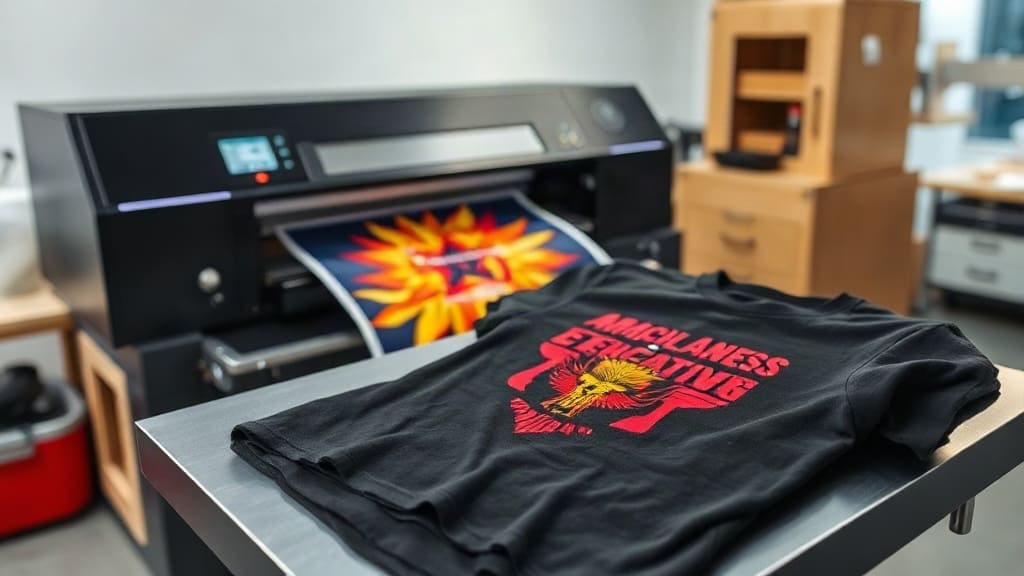
DTF Printing: A Complete Guide for Print on Demand Sellers
Discover how DTF printing works, why it's a game-changer for print on demand, and how to get started with this versatile technology.

Discover how DTF printing works, why it's a game-changer for print on demand, and how to get started with this versatile technology.
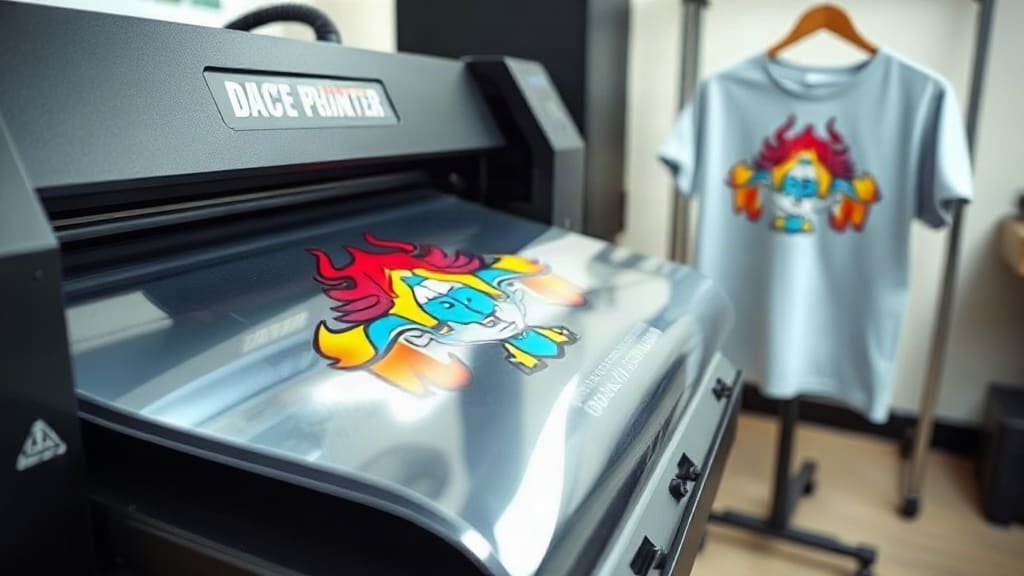
Learn how DTF printing works, why it's ideal for print on demand, and how to get started with your own designs.
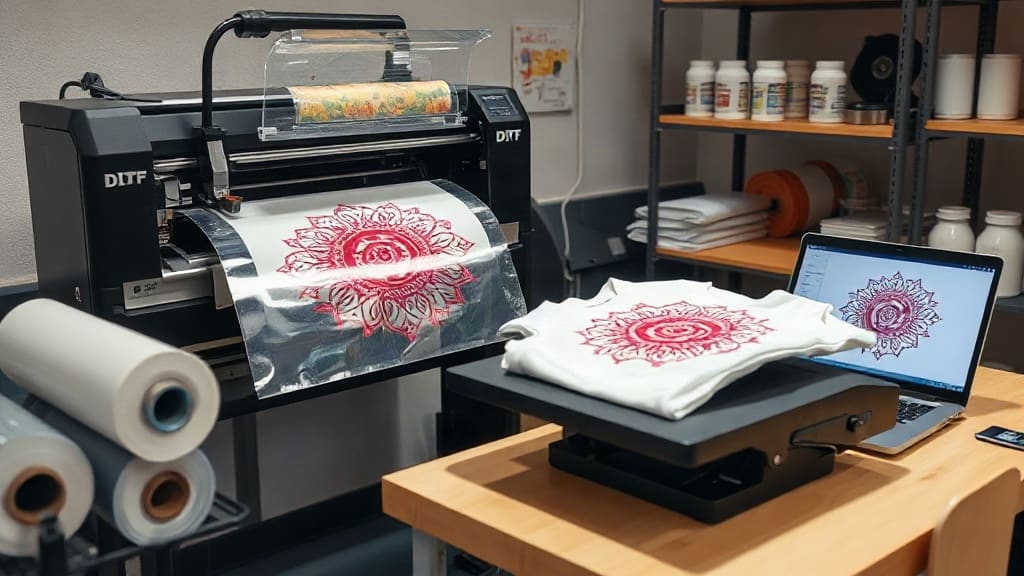
Discover how DTF printing can elevate your print on demand business with vibrant, durable designs on various fabrics. Learn the process, benefits, and expert tips.
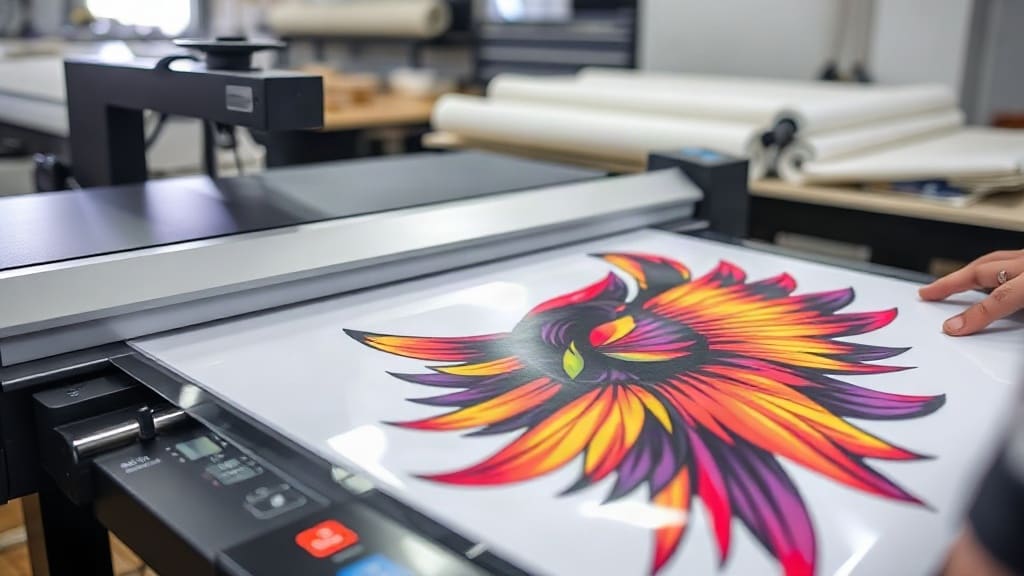
Discover how DTF printing can elevate your print-on-demand business with vibrant, durable designs on various fabrics.
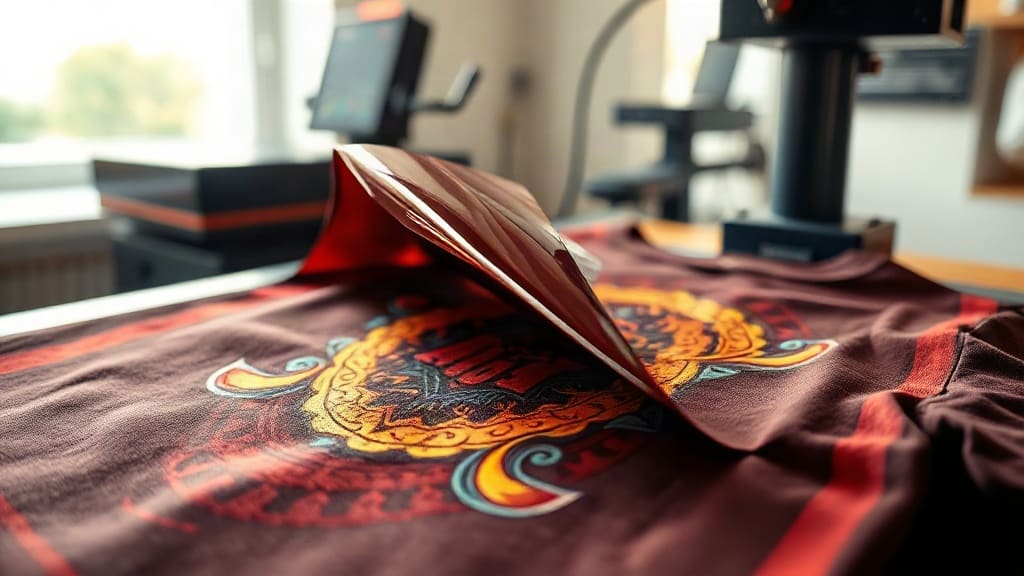
Discover how DTF printing on demand lets you create vibrant custom apparel without inventory, with expert tips on choosing the right service and designing for success.
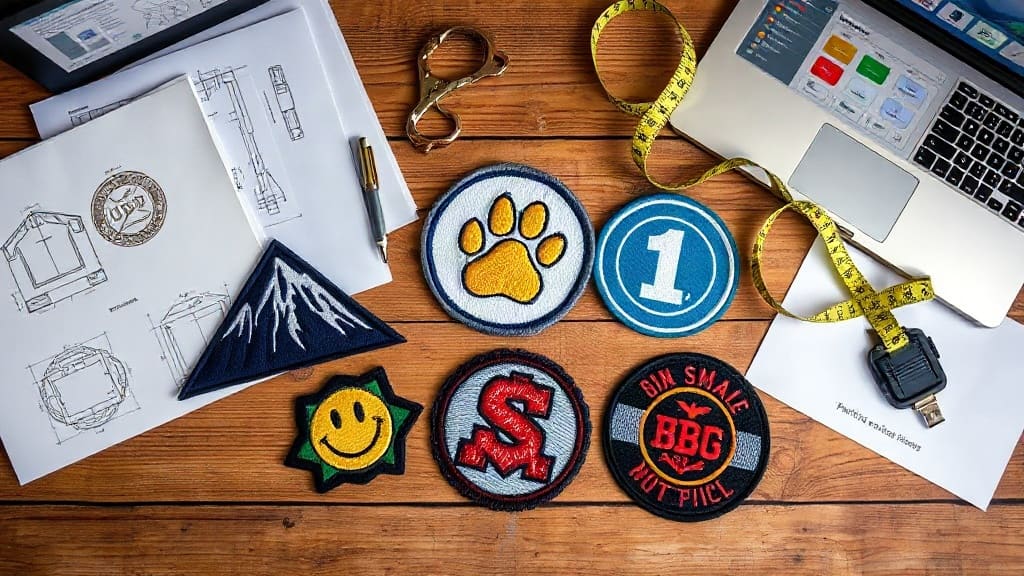
Discover how to combine print on demand with custom patches to build a profitable business. We explore seven lucrative niches, practical tips, and real-world examples to get you started.
Print on Demand design essentials sit at the heart of successful storefronts, guiding how products look, feel, and perform in crowded online markets.At their core are typography and the careful use of imagery that shapes branding clarity and customer perception across tiny thumbnails and bigger screens.
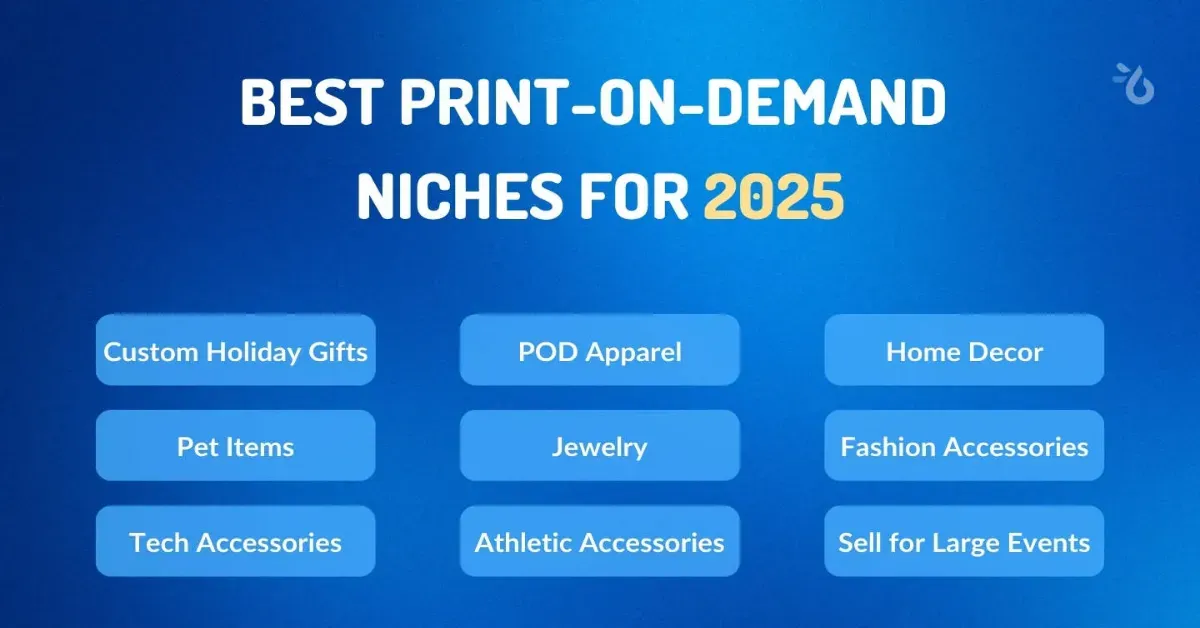
Print on Demand niches offer a clear route to stand out in a crowded market.By focusing on profitable POD markets, you can speak directly to a defined audience and optimize your marketing spend.
Future of print on demand is reshaping how brands reach customers with speed, customization, and scalable production.In this shifting landscape, POD ecommerce is becoming the backbone of entrepreneurial and retail experimentation.
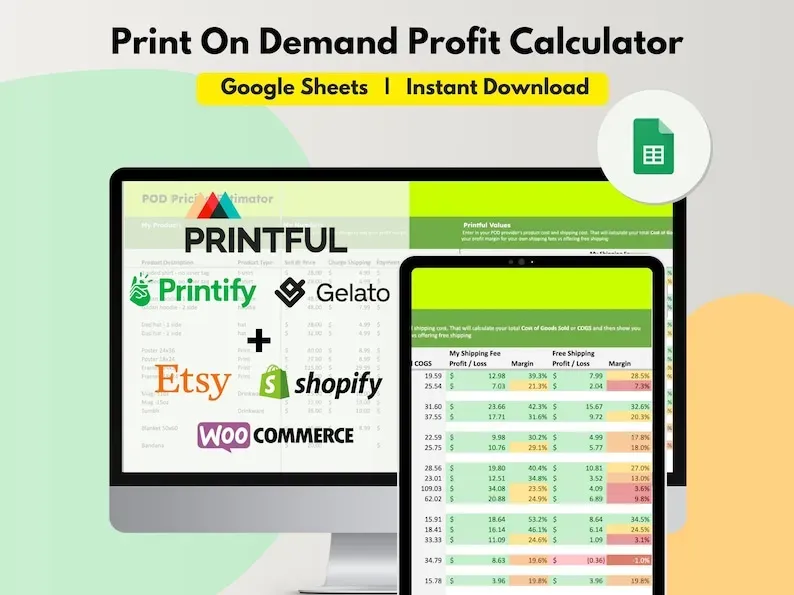
Print on Demand profitability hinges on a careful balance of pricing, margins, and costs, and learning to read these levers is essential for turning creative ideas into a sustainable, scalable business that can weather market fluctuations and evolving consumer tastes.If you are selling custom apparel, home decor, or accessories via POD, understanding the economics behind every sale is essential to grow a sustainable business, and this is where POD pricing strategy, POD margins, and print on demand costs intersect, shaping how you set value, manage risk, and project cash flow.
print on demand mistakes often quietly erode quality and margins, even when the platform promises simplicity.This guide reveals seven frequent missteps and, crucially, practical fixes you can apply today to lift product quality.

Niche research for print on demand is the compass that helps creators find underserved customers who crave products that fit their interests and values.By exploring print on demand niche ideas, you identify underserved audiences for POD and move beyond generic options.
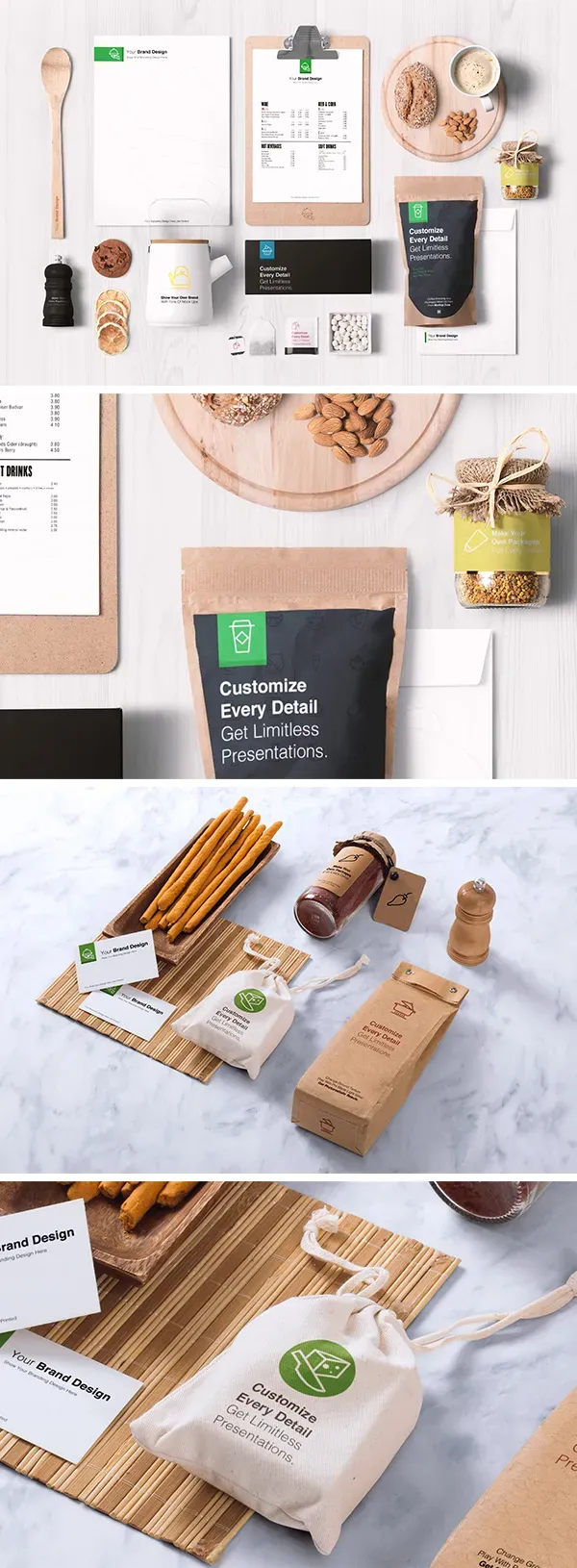
Mockups, Branding, and Packaging are not merely aesthetics; they set the tone for how your POD brand is perceived at the first moment a shopper encounters it, influencing click-through rates, trust, and recall across product listings, ads, social feeds, and marketplaces.In the crowded e-commerce landscape, customers often decide within seconds whether a listing is worth exploring, so cohesive visuals—consistent lighting, color accuracy, typography, context, and product-centric scenes—become your most persuasive salesperson.
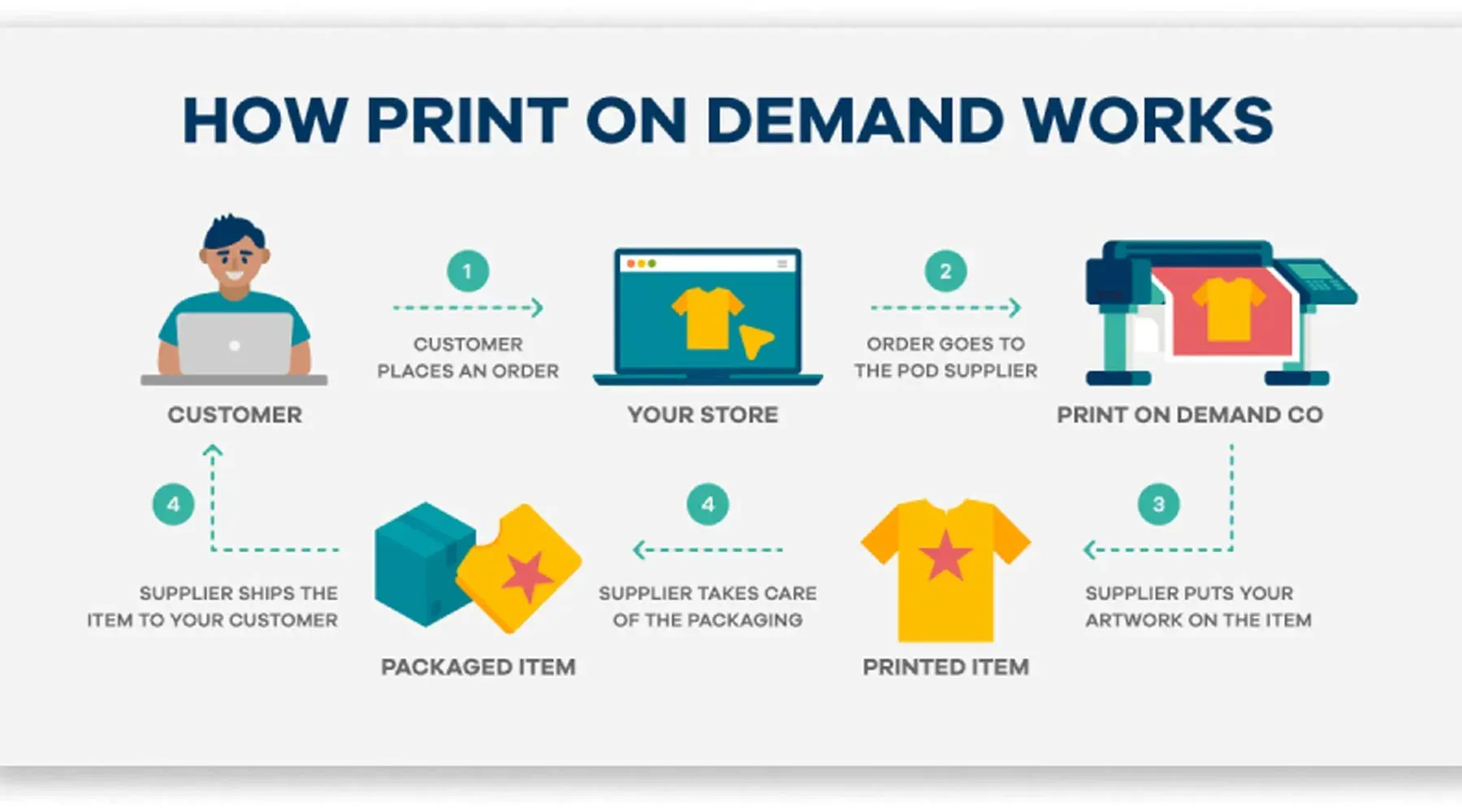
Print on Demand store marketing is a holistic, multi-channel discipline that blends search visibility, social engagement, and direct email outreach to turn a storefront into a trusted, memorable brand that resonates with customers across devices and seasons.From PoD SEO to optimized product pages and category structure, the strategy leverages Print on Demand social media, transparent reviews, user-generated content, and data-driven storytelling to capture intent, guide decision-making, and drive consistent clicks over time across search results, product discovery pages, and inspiration galleries.
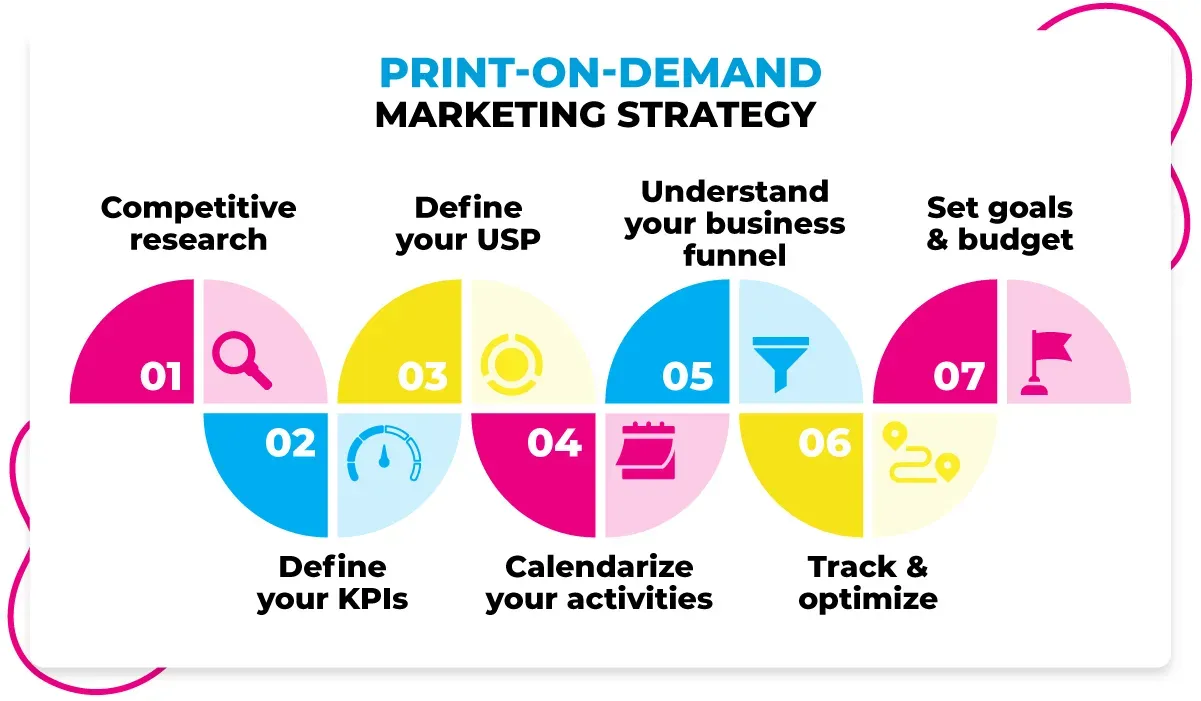
Print on Demand Marketing is a powerful, scalable approach for creators and ecommerce entrepreneurs looking to offer customized products without the risk of holding inventory.By embracing print on demand marketing strategies and leveraging POD marketing, you can reach precise audiences with messages that resonate and visuals that convert.
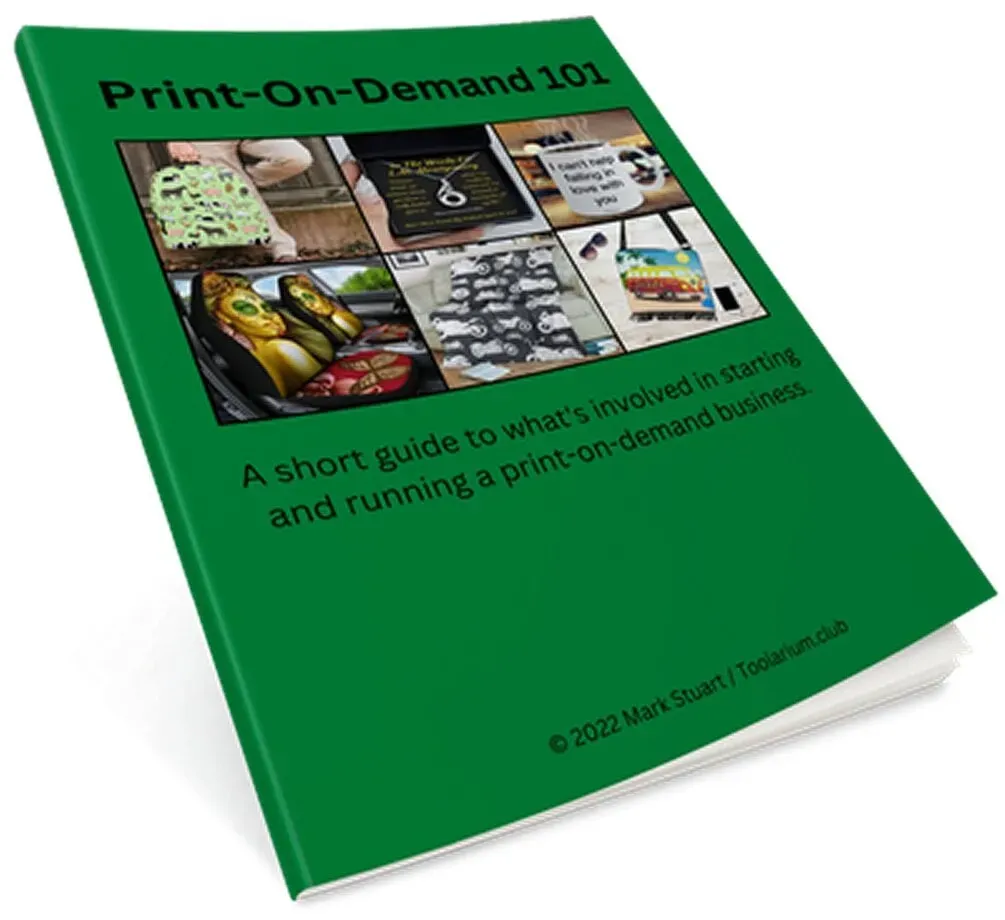
Print on Demand 101 is a practical, beginner-friendly roadmap to building an online store without holding inventory.If you're curious about how to start print on demand, this concise guide breaks down the basics into actionable steps.
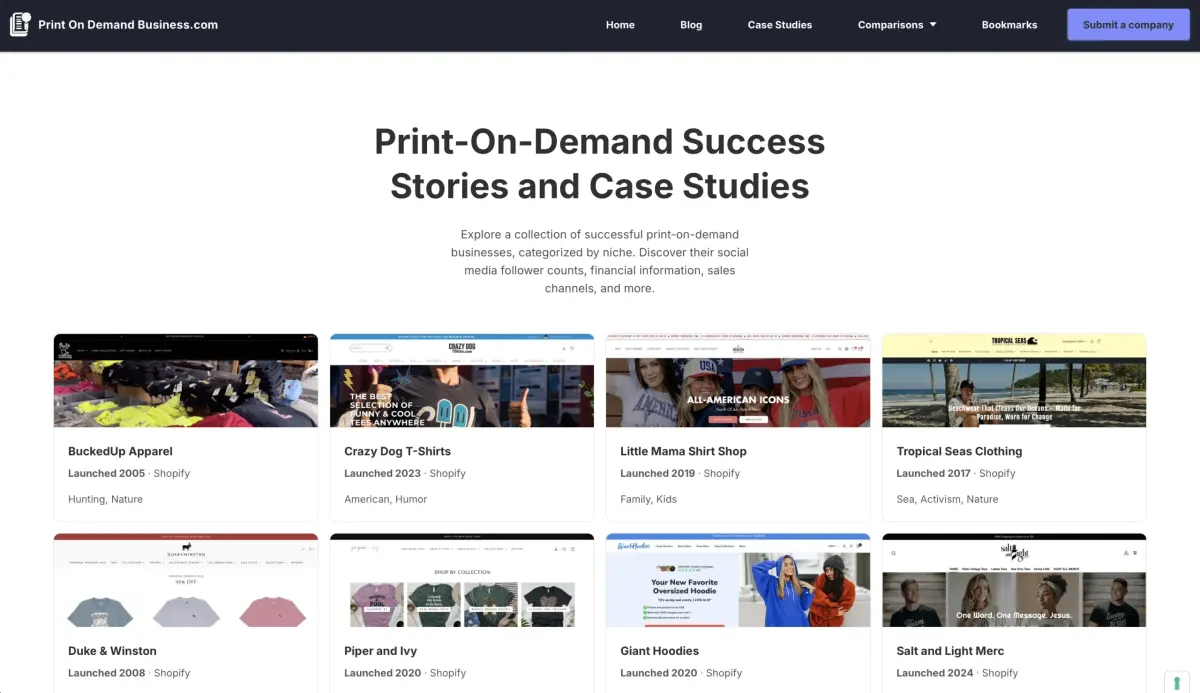
Print on Demand success stories reveal how brands turn creative ideas into scalable profits, reshaping the ecommerce landscape and proving that upfront inventory risk can be meaningfully reduced through smart testing, reliable production partners, and disciplined execution.Across industries, print on demand brands show how disciplined product strategy, high-quality design, and dependable fulfillment partners drive measurable POD profitability while enabling rapid experimentation, fast iterations, and repeatable wins that compound into durable growth for sellers globally.
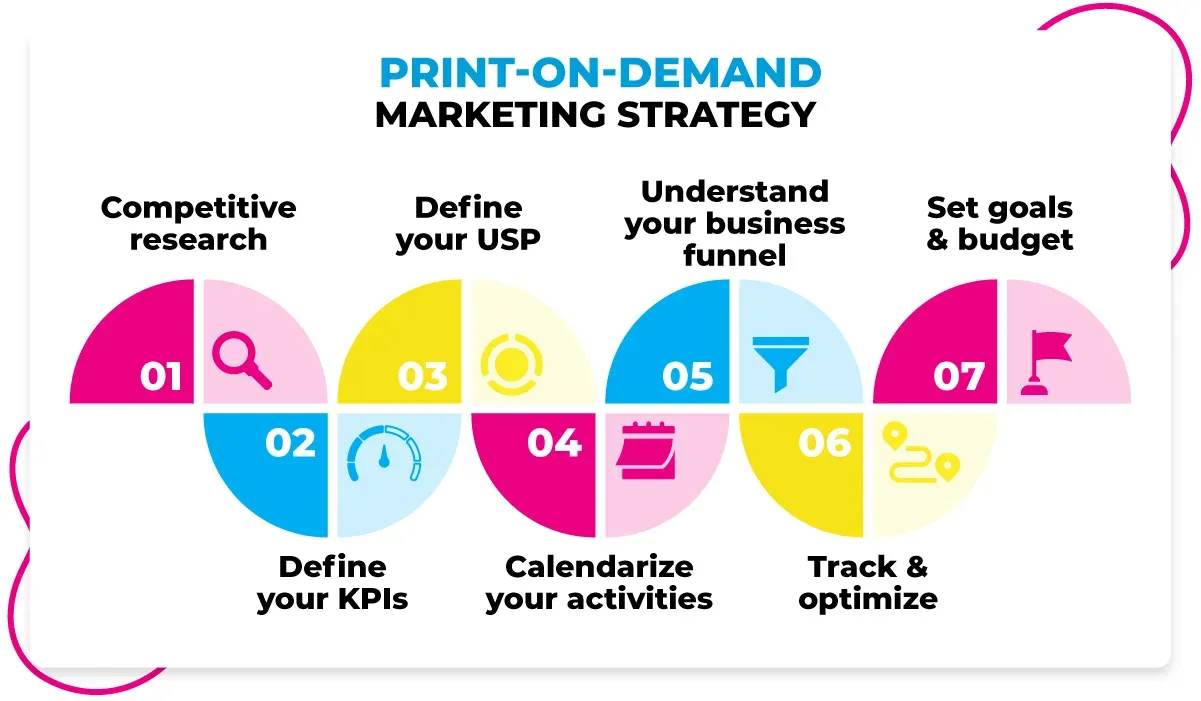
Print on Demand marketing strategies are transforming how creators turn ideas into profitable, inventory-free businesses that can test, iterate, and scale with minimal upfront risk in a way that makes launch cycles faster, feedback loops tighter, and customer learning more iterative than ever.By pairing design excellence with data-driven outreach, these strategies let you validate concepts with micro-campaigns, refine messaging across multiple touchpoints, and optimize landing experiences before committing substantial budgets, ensuring resources are spent where there is demonstrated demand.
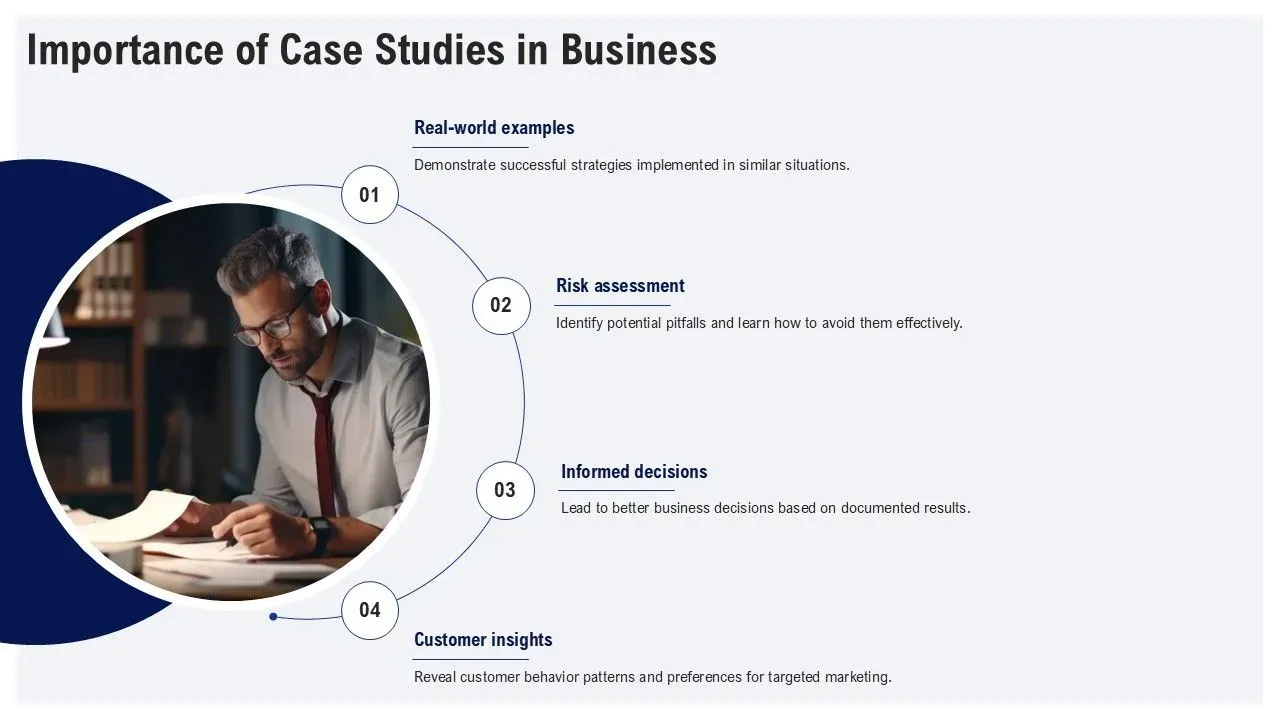
This POD business case study reveals how a small, ambitious brand transformed a simple print on demand (POD) approach into a scalable ecommerce venture.In an era where digital storefronts are accessible to almost anyone, the brands that win aren’t the ones with the biggest budgets; they’re the ones who master marketing, branding, and a clear value proposition.
Print on Demand pricing strategies are a strategic lever that shapes profitability, conversions, and long-term growth for your POD business.Even with a best-selling design catalog, careless pricing can erode margins and push potential customers toward competitors.
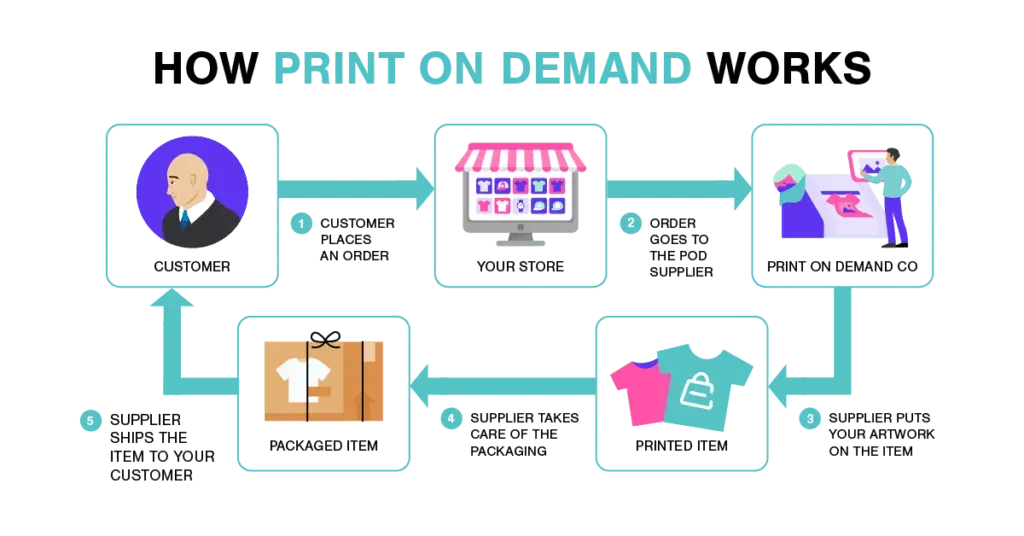
A print on demand business offers a powerful path to selling custom products without holding inventory, letting you launch with low risk.If you want to build a sustainable online income, this model scales with relatively low upfront risk compared to traditional merchandise ventures.
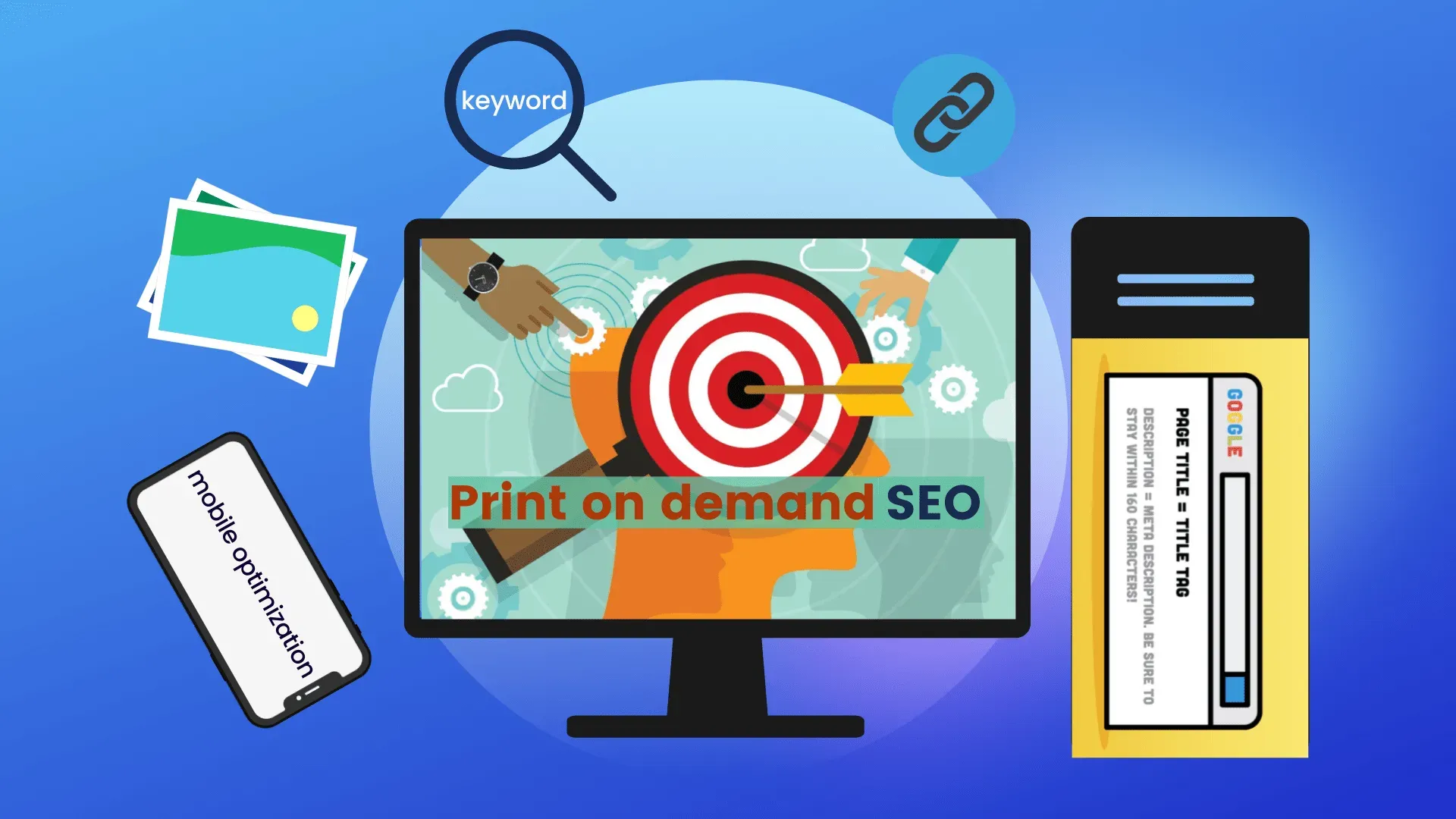
SEO for Print on Demand Stores is essential for getting discovered in a crowded online marketplace.A solid POD strategy uses keyword research for POD, product optimization, and print on demand SEO and image SEO for print on demand to attract organic traffic.
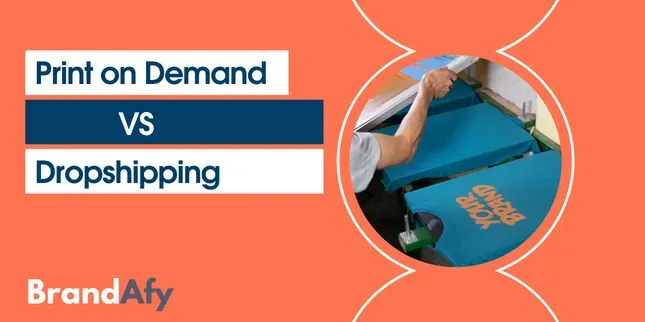
Print on Demand vs Dropshipping is a pivotal choice for any ecommerce venture, shaping branding, margins, and exactly how quickly you can bring new items to market in a crowded digital landscape where shopper expectations rise with every scroll, and where reliable fulfillment can make or break a brand.As you explore the print on demand business model, you’ll notice that design control, production timelines, and partner reliability directly influence profitability, the ease of testing designs, and your capacity to scale without carrying inventory through seasonal shifts.
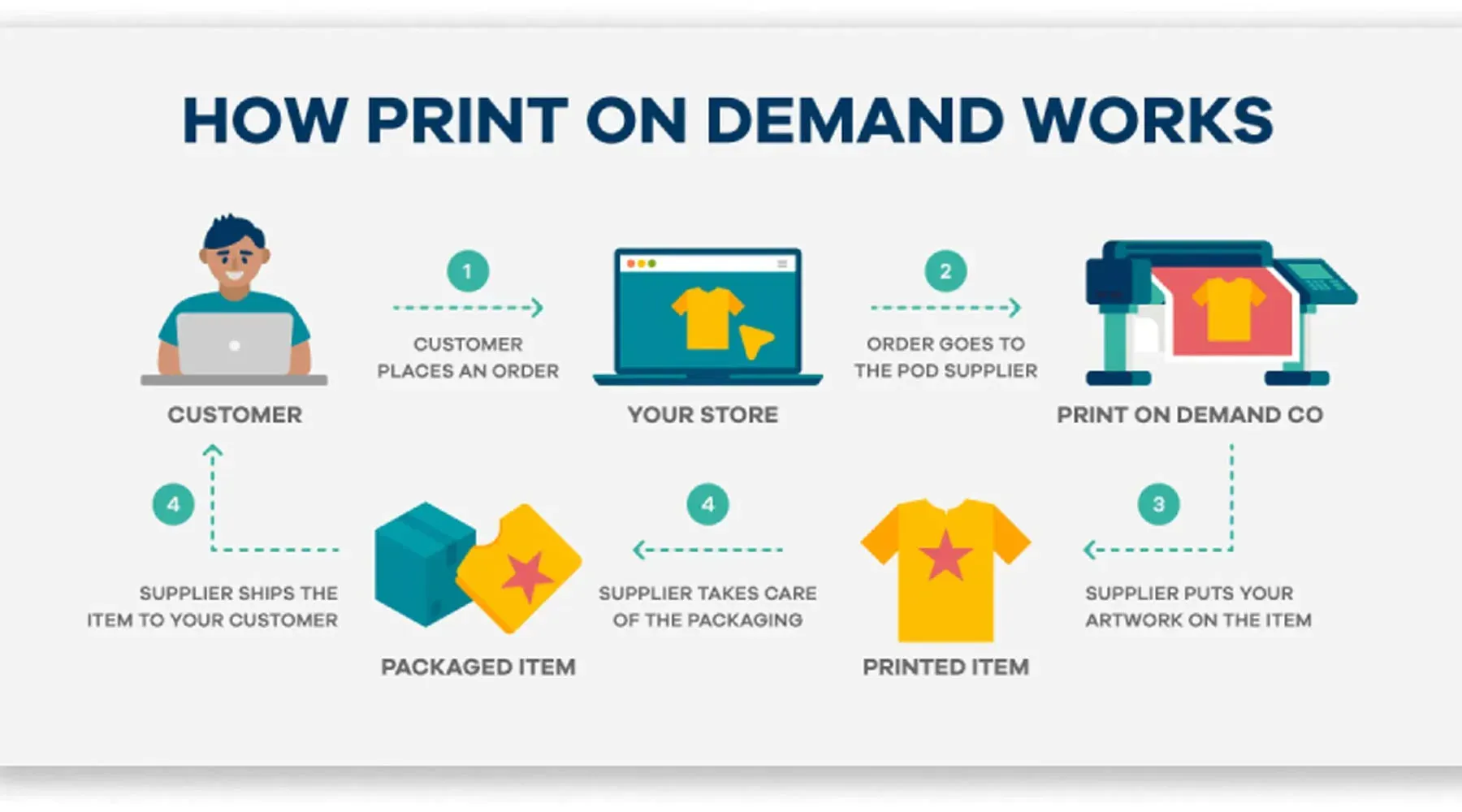
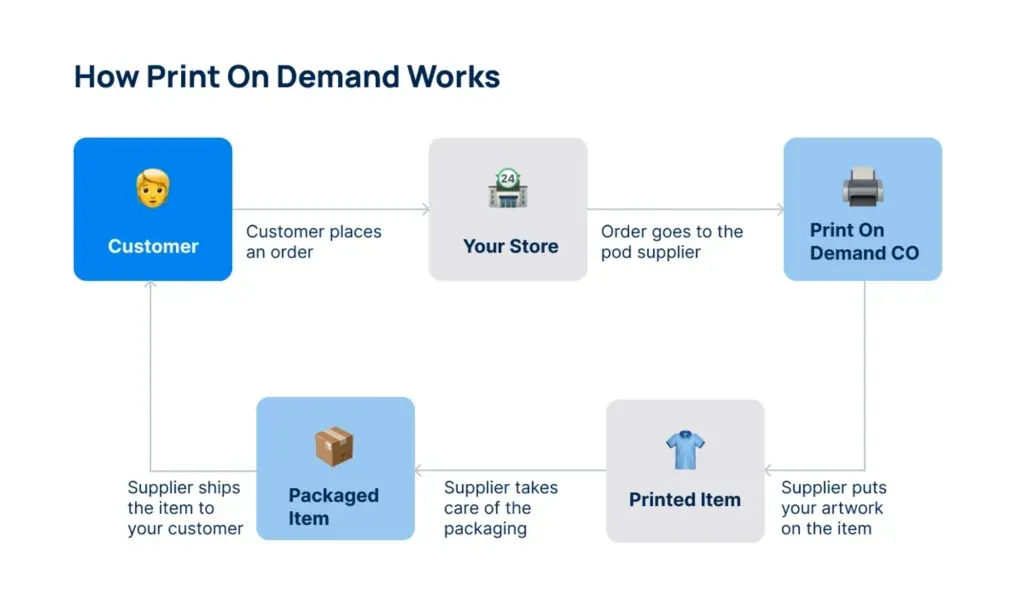
Print on Demand has transformed how aspiring entrepreneurs launch businesses with minimal upfront investment.This model lets you design products, work with print on demand suppliers, and only produce items when customers place orders.
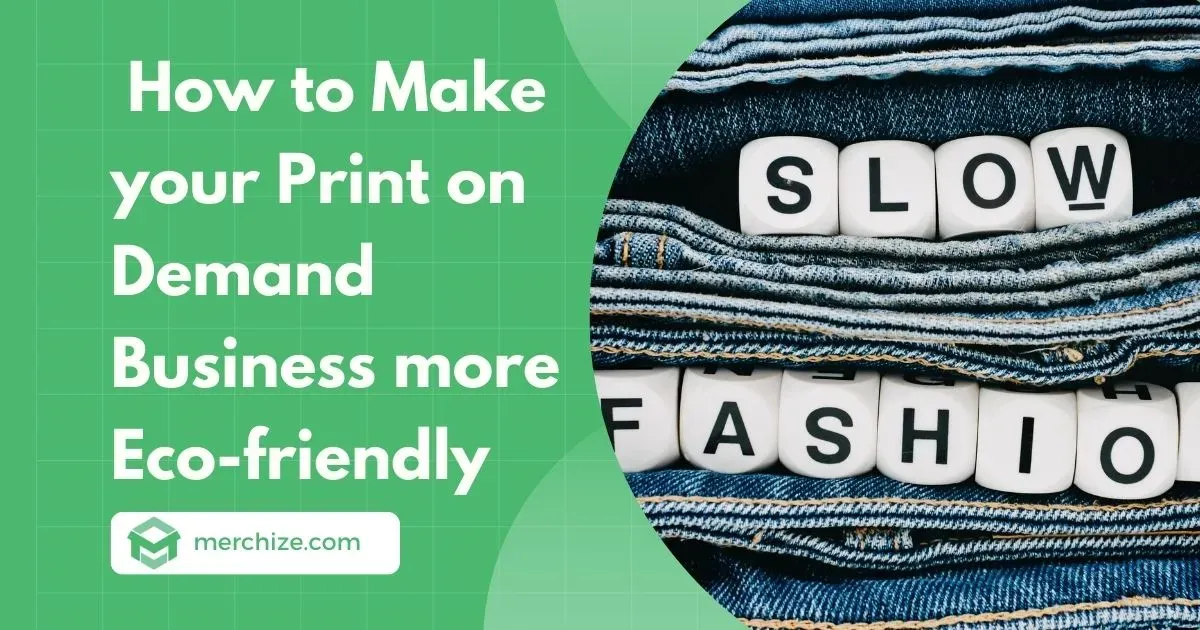
Sustainable print on demand is reshaping how brands balance profitability with responsibility, making eco-friendly print on demand a practical reality.In a marketplace that rewards transparency, this model supports sustainable POD practices that reduce waste and inventory.
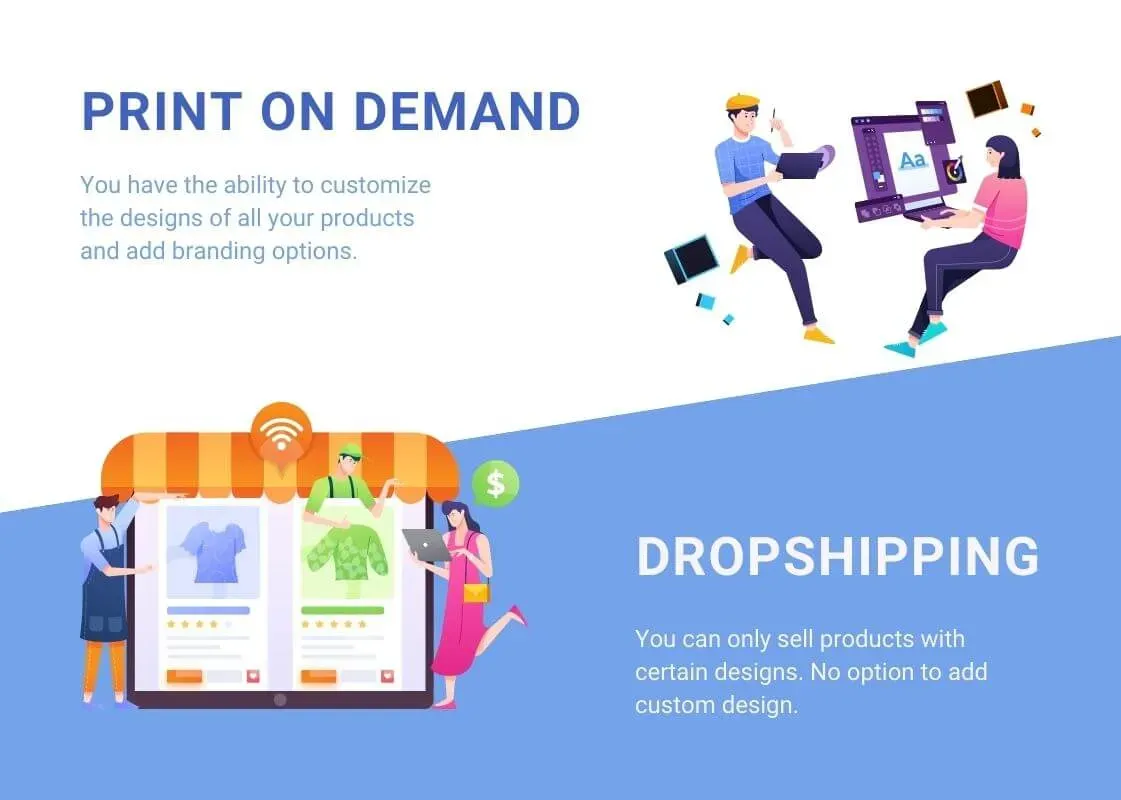
Print on Demand vs Dropshipping is shaping how modern brands think about control, speed, and storytelling in ecommerce, forcing founders to weigh customization against scale, cost, and long-term brand resonance.When you compare these models, you’ll encounter trade-offs in branding, margins, and customer experience that can redefine your go-to-market approach across product launches, marketing campaigns, and after-sales service.

Print on Demand product launch is more than just creating a design; it combines ideation, validation, and a strategic rollout.A solid plan uses a POD launch checklist to align teams and a framework that explores print on demand product ideas with market validation.
If you’re aiming to build a profitable print on demand business in 2026, you’ll find a mature market with smarter customers, clearer paths to scale, and a growing emphasis on design-led value that rewards experimentation and disciplined execution, from print methods like DTG and sublimation to reliable supplier networks and transparent shipping timelines.The winning formula blends a compelling offer, tight margins, scalable operations, and intelligent marketing—then anchors those elements to a clearly defined niche whose demand remains resilient across seasonal shifts, platform fluctuations, and changing consumer preferences, while testing product bundles and subscription-style options.
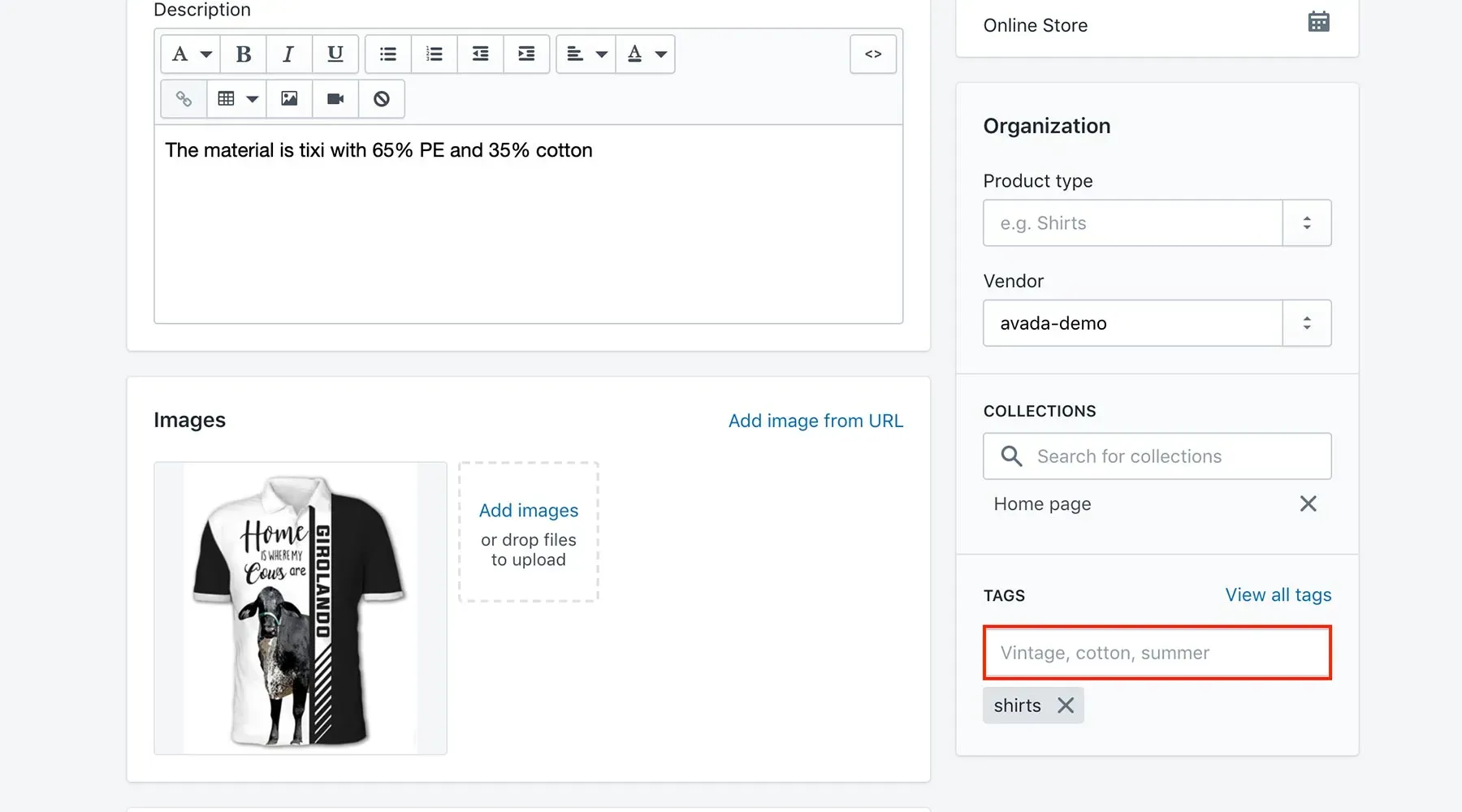
Print on Demand product descriptions are a powerful compass in a crowded online marketplace, guiding shoppers toward confident purchases.By applying POD product description tips, you can balance clarity with persuasion, ensuring readers grasp print quality, materials, and sizing.
When you’re building an online store, choosing the best print on demand platforms can determine your growth trajectory.A thoughtful comparison weighs how each option handles features, base costs, and how smoothly it plugs into your store, while also considering vendor reliability and regional support.
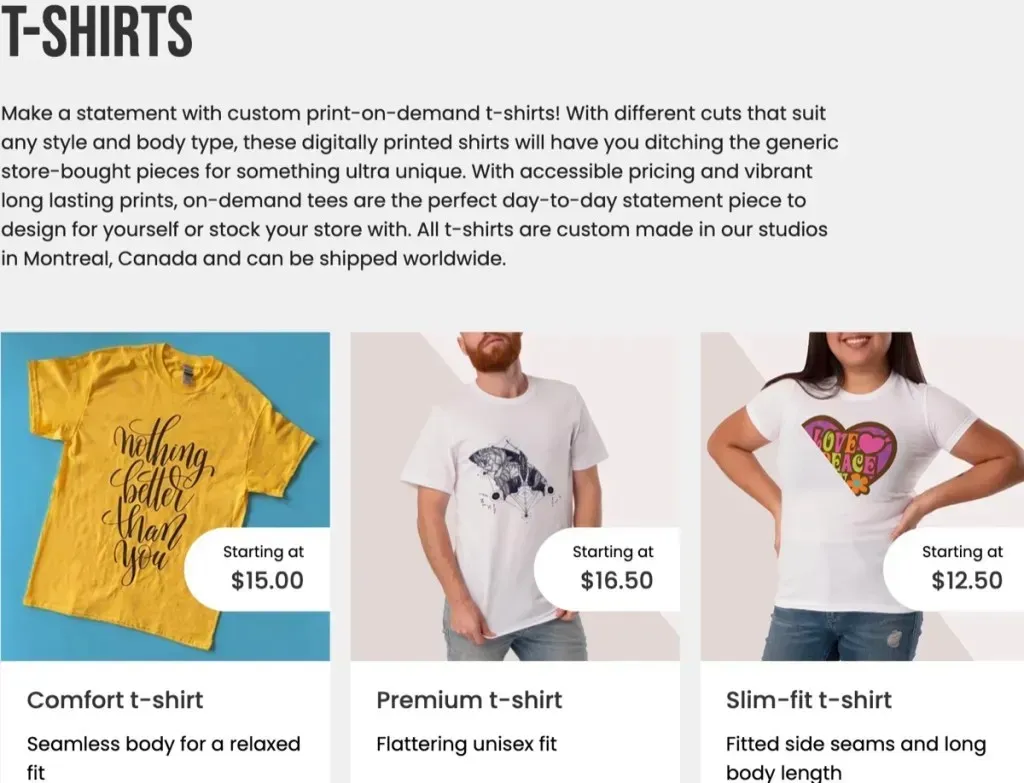
Print on Demand for custom merchandise has transformed the way people start and grow brands online.With minimal upfront costs and little inventory risk, you can explore print on demand suppliers, test ideas, and fulfill orders only when customers place them.
Sustainable Print on Demand is redefining how brands deliver customized products while reducing environmental impact.As consumers demand responsible practices, embracing eco-friendly printing and sustainable packaging ideas helps earn trust and loyalty.

Print on Demand product lifecycle is a strategic map that guides ideas from concept to customer delivery, not merely a theoretical framework, because it enshrines a disciplined, data-informed workflow that ties creative inspiration to practical feasibility, supplier capability, and market timing.By aligning design choices with production realities, teams operating within the print on demand business model can forecast costs, timelines, and quality at every stage, from initial sketch through color management, print method selection, substrate compatibility, and scalable packaging, ensuring decisions pay off in predictable margins.
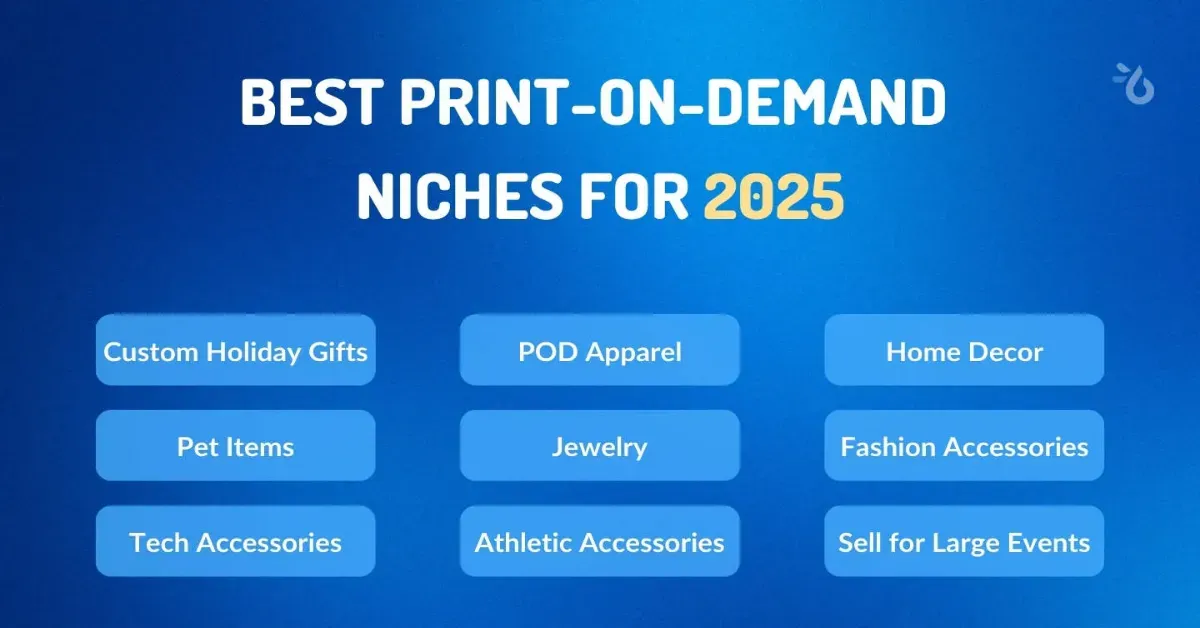
Print on Demand Niches That Sell is more than a list of ideas—it's a repeatable framework for discovering products customers actually buy and for shaping a scalable, low-risk path from concept to cash.If you're launching a POD business, start with POD niche ideas and learn how to validate print on demand niches so you can separate durable demand from fleeting trends, saving time and money.
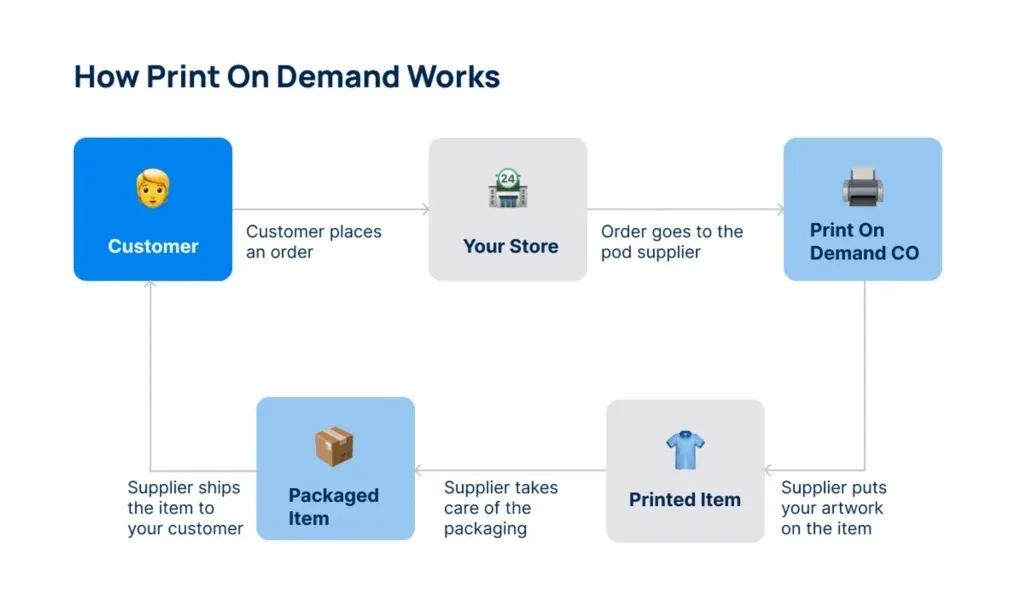
Print on Demand workflow automation reshapes how ecommerce POD businesses scale, delivering speed, accuracy, resilience, and scalability in a highly competitive landscape.By linking artwork preparation, order intake, production planning, and shipping updates through smart tools and data flows, it reduces manual toil and frees time for product development, marketing, and customer experience improvements.
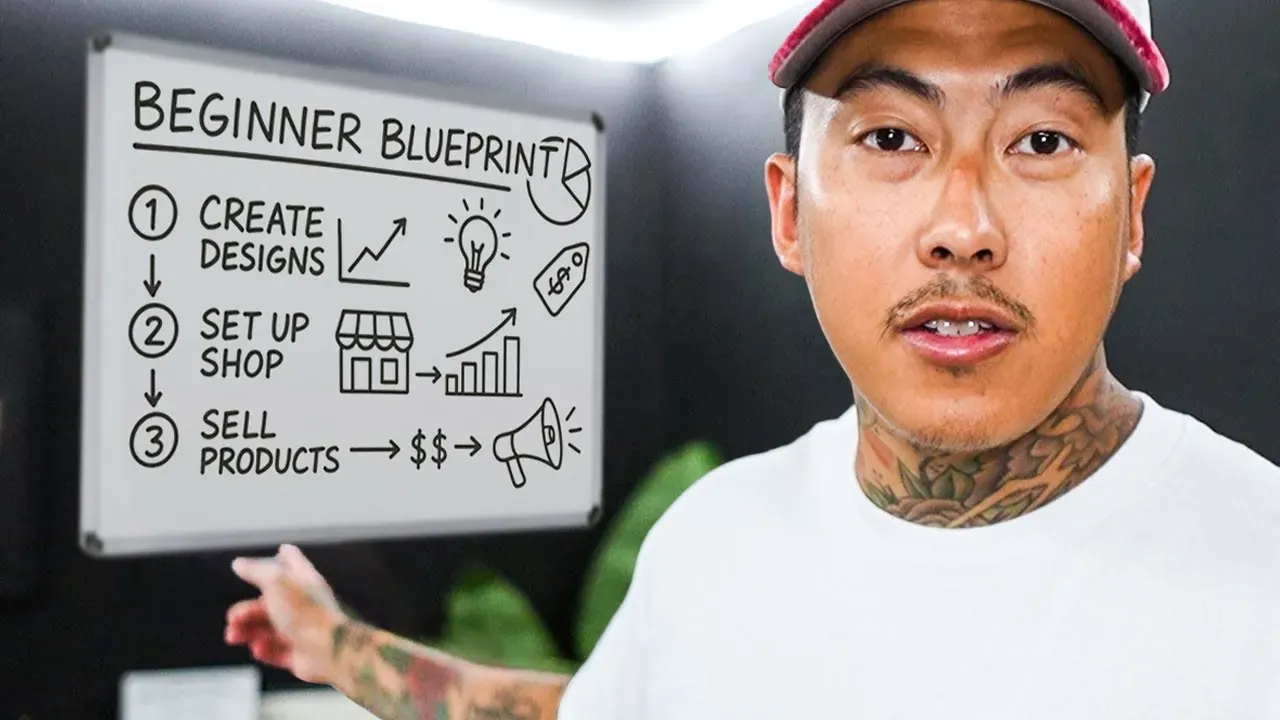
Brand Building with Print on Demand opens a practical path for startups and small brands to align every customer touchpoint with a coherent brand story, creating a unified narrative that spans digital storefronts, social media, product packaging, and in-person experiences.This approach blends a deliberate POD branding strategy with hands-on experimentation in visual language, enabling you to test and refine logo treatments, color systems, typography, and packaging elements across labels, inserts, and shipping cartons before committing to large runs.
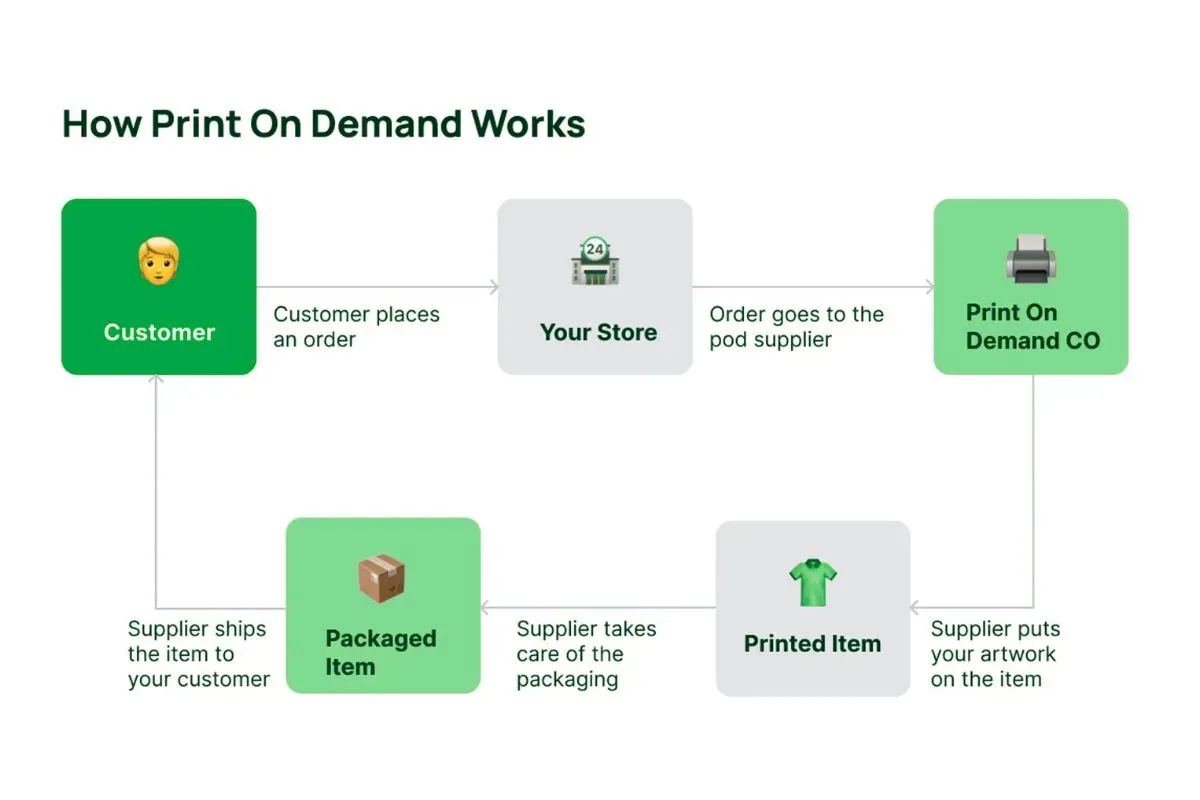
Print on Demand has transformed how entrepreneurs launch online stores, offering a flexible, low-risk path to bring ideas to life without tying up capital in inventory, handling warehousing, managing shipping logistics, or dealing with unsold stock while still delivering a quality customer experience, a model that lets you experiment with concepts, validate demand, and iterate rapidly.In this guide, you’ll learn how to start print on demand store and turn a simple idea into a profitable online business without the burdens of upfront manufacturing, long lead times, or guesswork about demand, including selecting a focused niche, designing a few core items, testing multiple colorways and placements, and setting up a clean, conversion-friendly storefront that tells your brand story from the first click.
Print on Demand design is more than just achieving a pretty look; it's a strategic lever for converting passive browsers into paying customers.In a crowded marketplace, the graphics you place on T-shirts, mugs, phone cases, and home décor must communicate value quickly, scale across product types, and stay consistent with your brand.
Print on Demand niche ideas have reshaped how creators monetize ideas, letting entrepreneurs test products without carrying inventory while validating demand through minimal risk; from home decor and apparel to accessories and gifts, these concepts enable rapid experimentation, real-time feedback, and scalable revenue models for emerging brands.As we approach POD niche ideas 2026, the emphasis shifts toward concepts that balance sustainability, personalization, and community identity with practical margins, ensuring campaigns can be scaled across social, marketplaces, and direct-to-consumer channels with modest upfront investment.
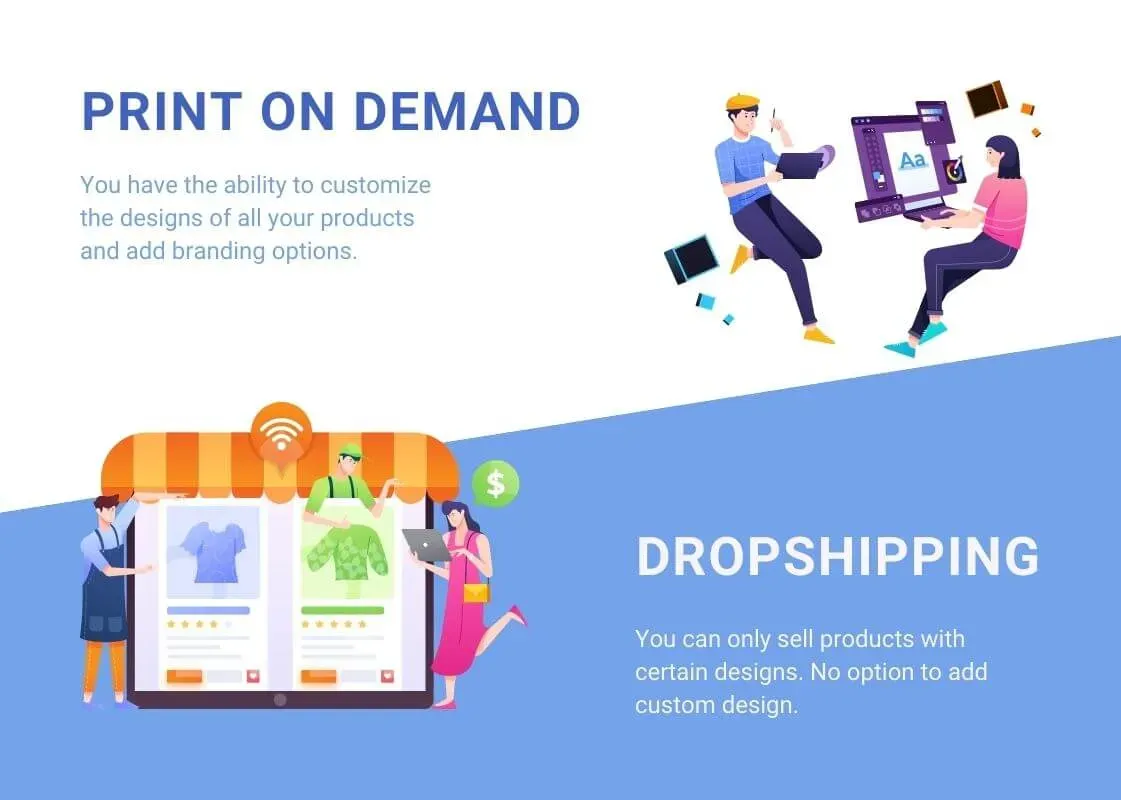
Print on Demand vs Dropshipping presents a familiar dilemma for aspiring ecommerce sellers seeking low upfront costs and scalable product ideas.Both models offer low upfront costs and the ability to test designs without stocking inventory, while influencing margins and fulfillment timelines.
Automating Your Print on Demand Business is no longer optional for ambitious sellers who want to scale without sacrificing quality or customer experience, because manual bottlenecks creep into every stage of product design, production, and fulfillment, diminishing margins, increasing cycle times, and heightening the risk of errors that erode trust.By replacing tedious manual steps with intelligent automation, you can unlock faster turnaround times, reduce human error, and free your team to focus on strategy, design, and growth initiatives, all while maintaining control through auditable logs, role-based access, and clear escalation paths; this is reinforced by governance dashboards, alerts, and permissions that keep oversight tight without slowing momentum.
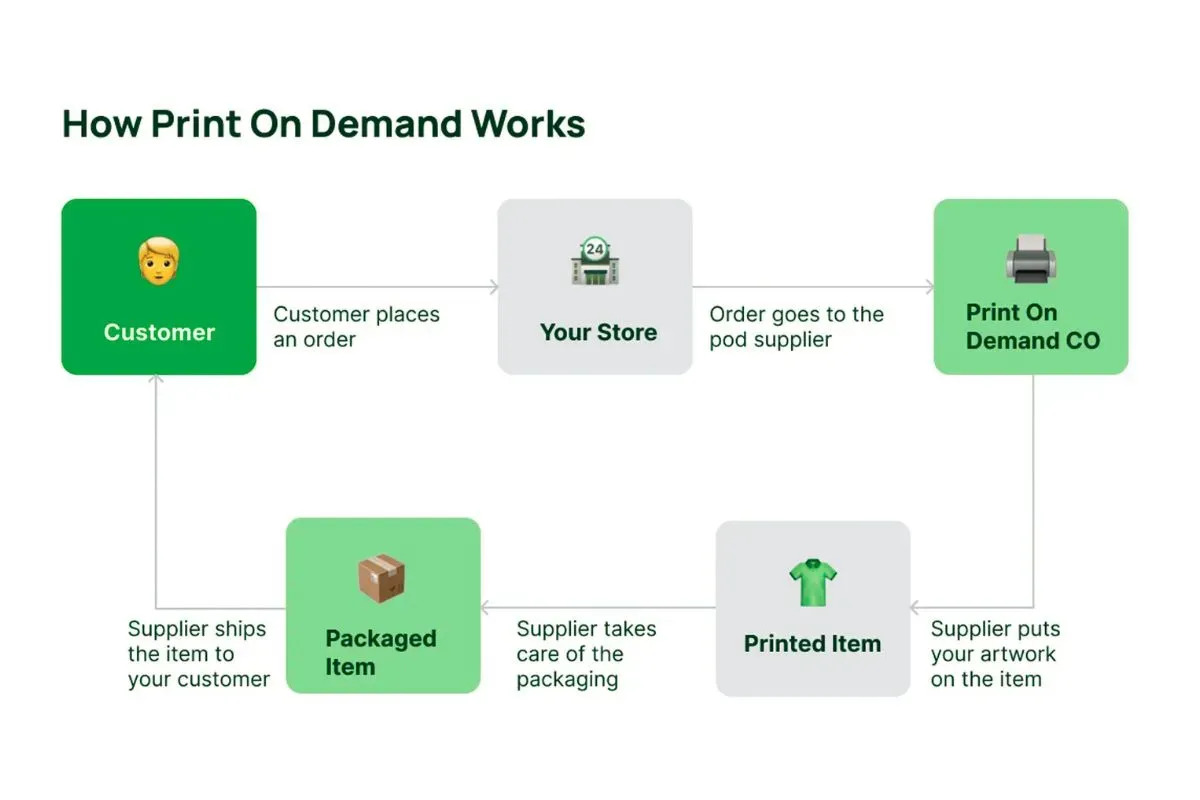
From a spark of an idea to a live product listing, the Print on Demand Launch Process guides creators through a clear, repeatable path that you can rinse and repeat across projects.By following proven print on demand launch steps, you map concepts to listings with confidence and leverage POD product listing optimization to improve visibility, conversions, and long-term search equity.
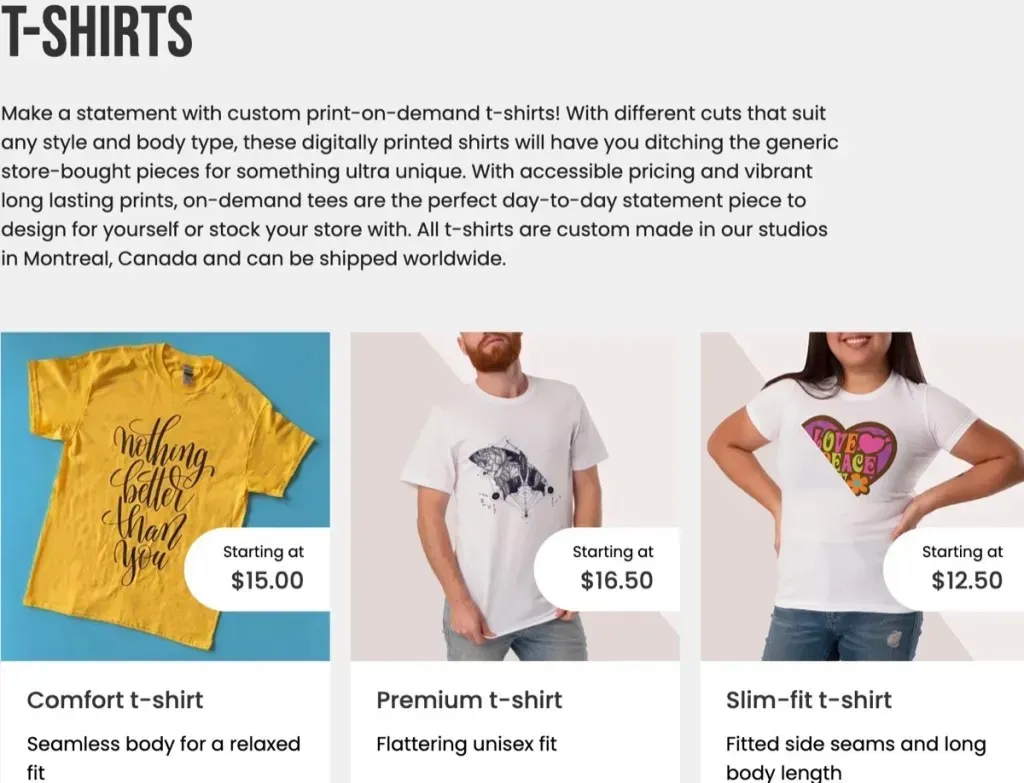
Custom t-shirts with print on demand empower entrepreneurs to launch a clothing line without heavy upfront costs.This approach lets you test ideas, iterate designs, and scale gradually while maintaining brand control and delivering high-quality tees worldwide.
Print on Demand Mistakes can derail sales, frustrate customers, and erode trust in your store.Fortunately, most of these missteps are fixable with practical adjustments to design processes, product selection, and listing optimization.
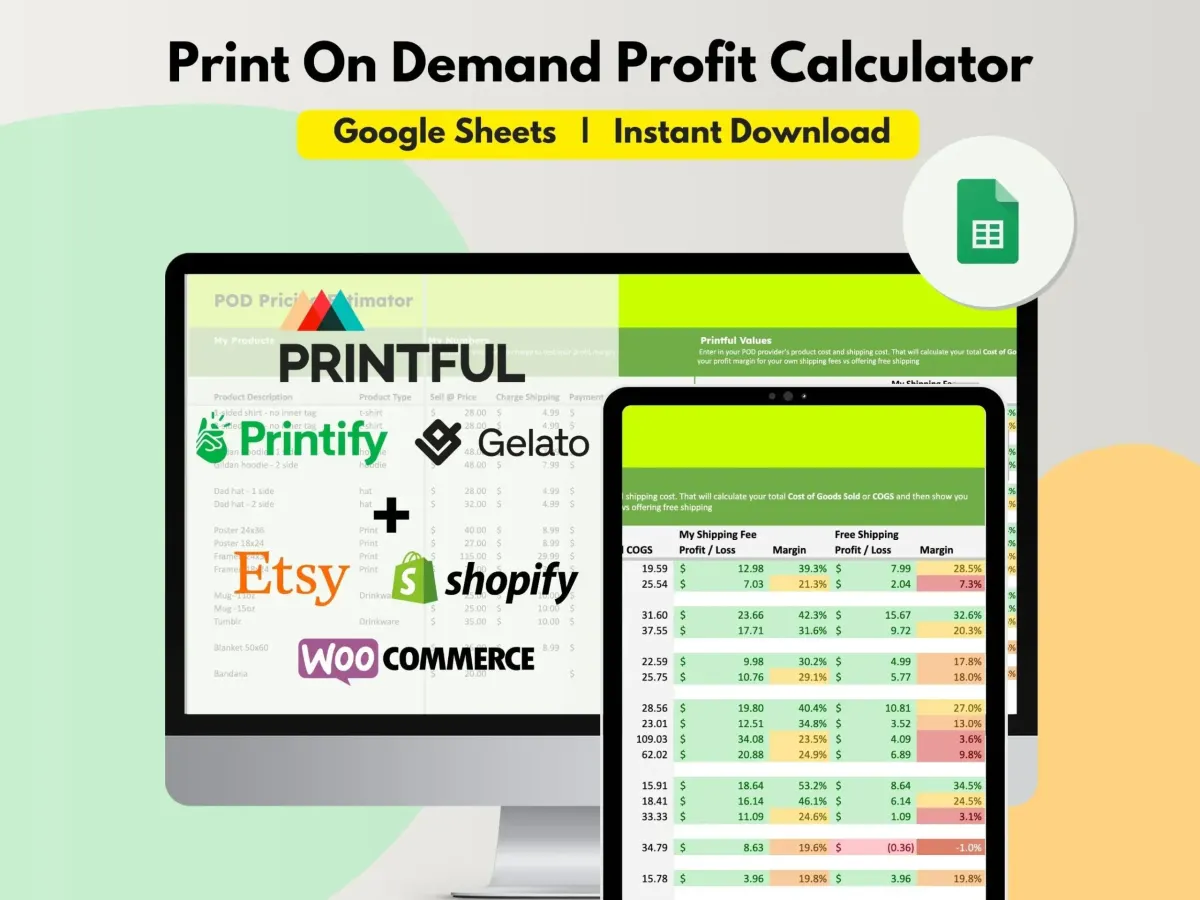
Print on Demand pricing is a strategic discipline that balances costs, customer value, and sustainable profitability.By focusing on POD pricing strategies, you can determine a fair base and set margins that protect profitability across channels.
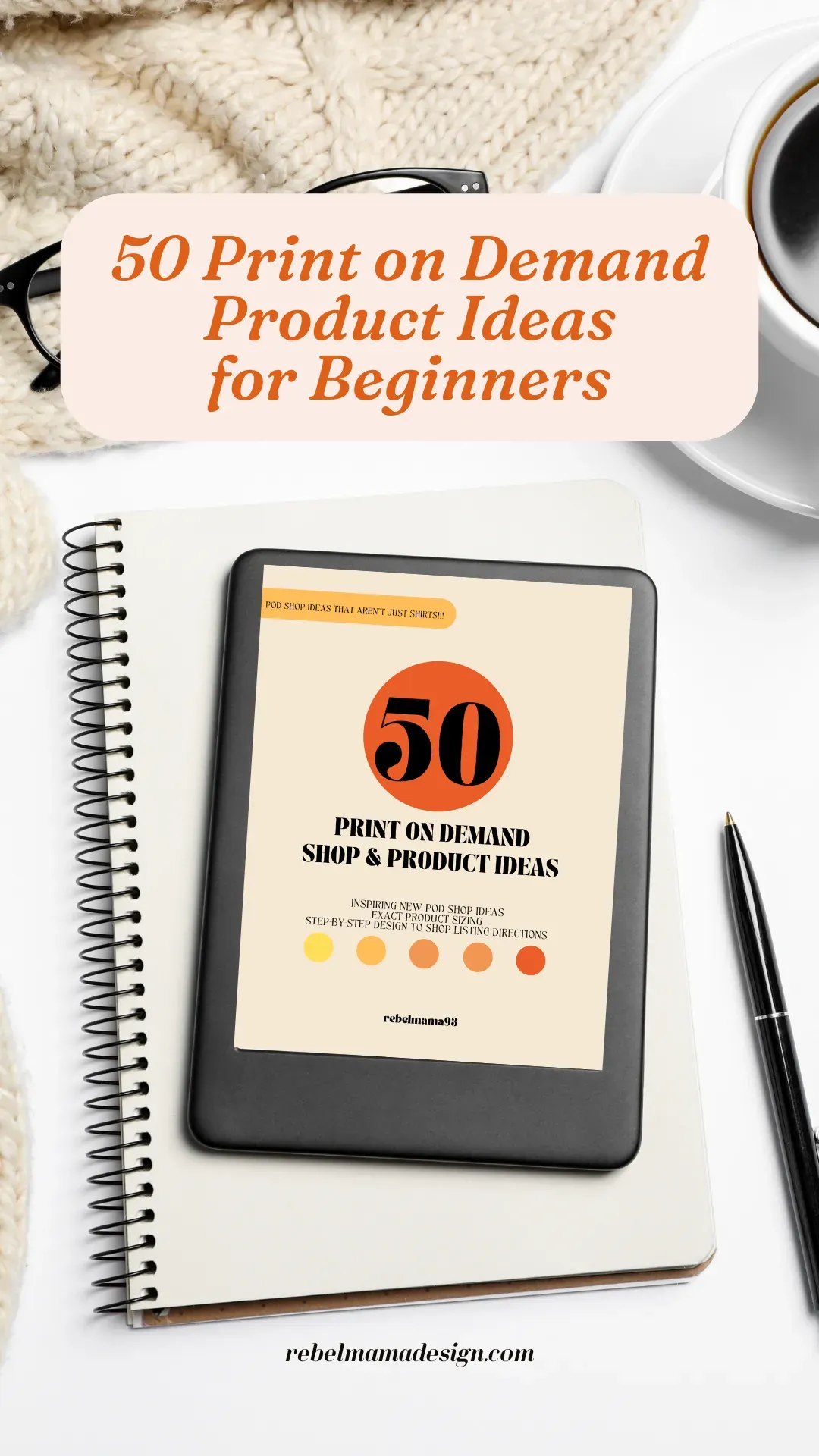
For many entrepreneurs, print on demand product ideas power a thriving POD business, letting you test concepts without inventory and scale quickly.This approach delivers instant feedback, so you can iterate based on what customers actually want rather than guessing, turning POD product ideas into real revenue.
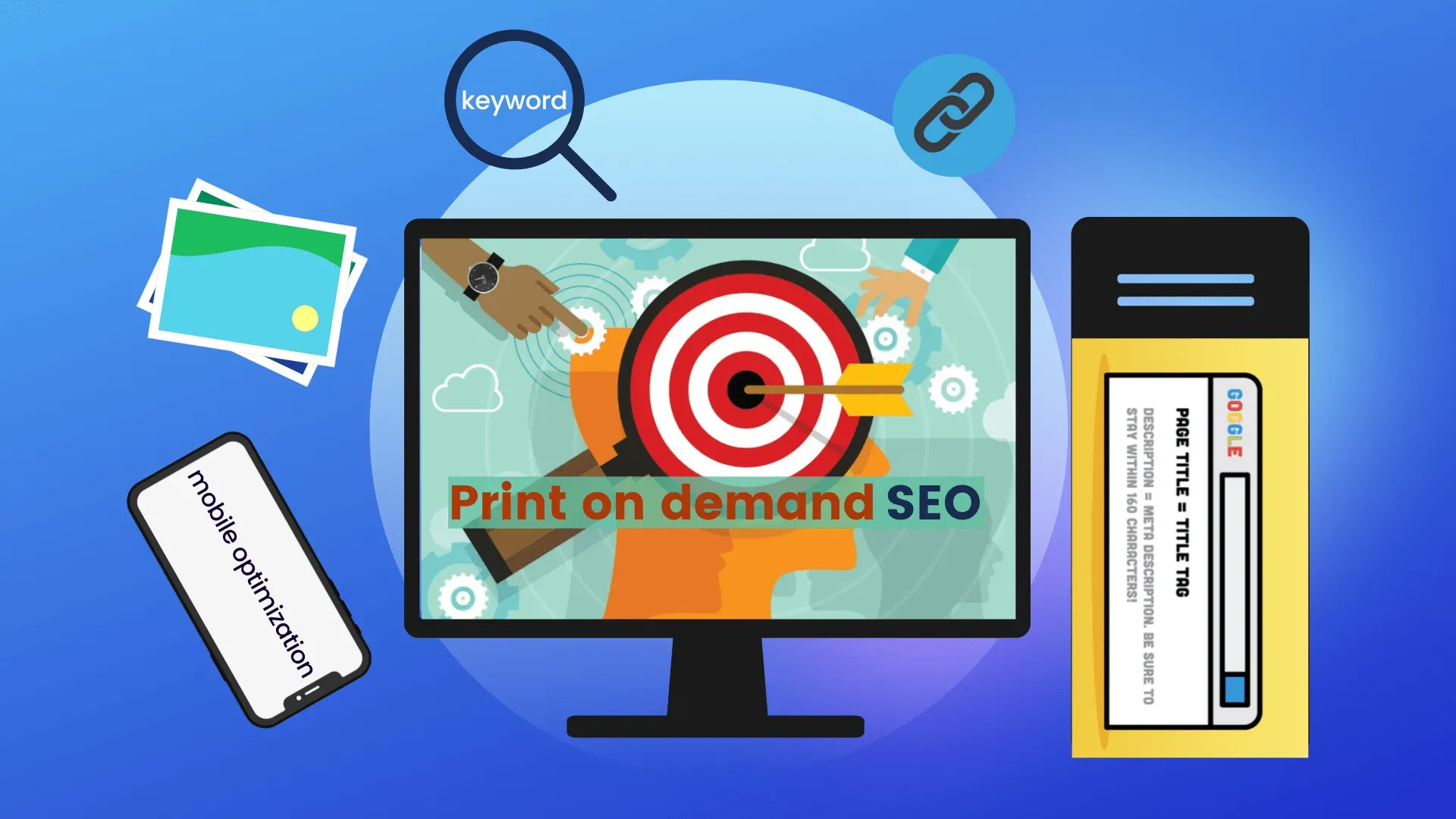
SEO for print on demand stores is a transformative approach that helps your designs reach the customers who matter most.By combining keyword research with optimized product pages, you can improve visibility through SEO for ecommerce and targeted searches.
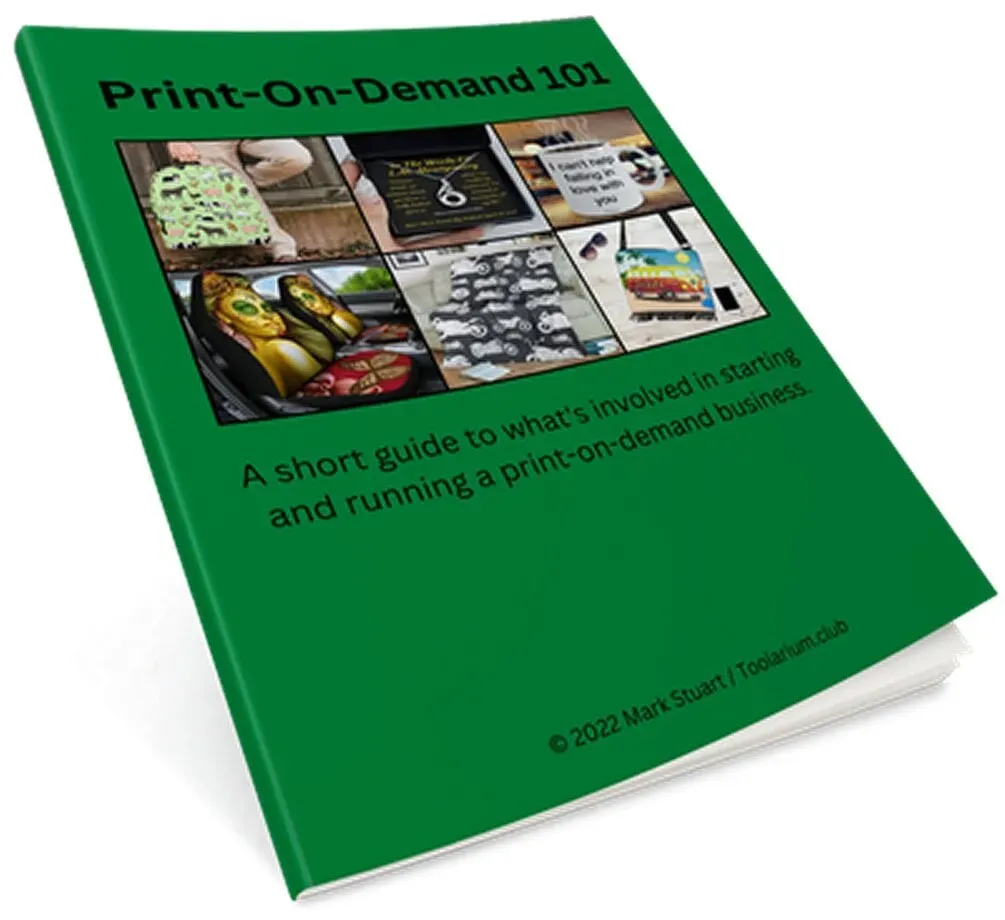
Print on Demand 101 is your practical, scalable blueprint for building an online business around custom products, with low upfront risk and flexible production, across digital and physical channels, making it easier to scale.From concept to customer, this guide explores how to start a POD store, evaluate providers, and navigate the evolving print on demand ecosystem in 2026 for steady momentum, for creators, designers, and small brands seeking online resilience.