
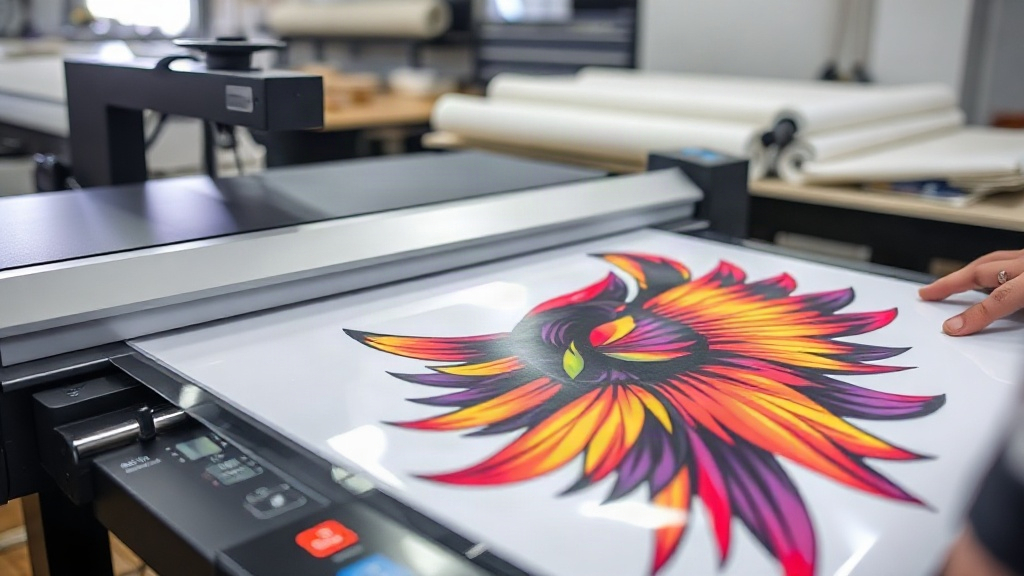
If you're venturing into the world of print on demand, you've likely encountered the term DTF. DTF, or Direct to Film, is a printing technique that's rapidly gaining popularity among POD sellers for its versatility and vibrant results. Unlike traditional methods that require specific fabrics or extensive setup, DTF opens up a realm of possibilities for custom apparel and accessories. In this guide, we'll walk you through everything you need to know about DTF printing, from its benefits to a step-by-step process, so you can decide if it's the right fit for your business.
What is DTF Printing?
DTF stands for Direct to Film. It's a printing method where your design is printed onto a special film, coated with a powder adhesive, and then heat-pressed onto the fabric. This process allows for intricate details and full-color designs without the limitations of screen printing or the color constraints of DTG (Direct to Garment). DTF has become a game-changer for print on demand because it works on a wide range of materials, including cotton, polyester, blends, and even leather. That means you can offer your customers more options without investing in multiple printing technologies.
How DTF Works
The DTF process involves several key steps:
- Design Preparation: Your artwork is prepared digitally, ensuring it's mirrored and sized correctly.
- Printing: A specialized DTF printer prints the design onto a PET film using CMYK and white inks.
- Powder Application: While the ink is still wet, a hot-melt adhesive powder is applied to the film.
- Curing: The powder is melted using heat, creating a transferable layer.
- Heat Press: The film is placed on the fabric and heat-pressed, transferring the design permanently.
- Peeling: Once cooled, the film is peeled away, leaving a soft, durable print.
Each step requires precision, but with practice, DTF can become a reliable part of your POD workflow.
Why Choose DTF for Print on Demand?
DTF offers several advantages that make it ideal for POD businesses:
- Fabric Versatility: Works on cotton, polyester, blends, and even treated leather.
- No Weeding or Cutting: Unlike vinyl, DTF doesn't require weeding, saving time and labor.
- Vibrant Colors: White ink base allows for bright, opaque designs on dark fabrics.
- Durability: Prints resist cracking, peeling, and fading after multiple washes.
- Cost-Effective for Small Batches: No minimum order quantities, perfect for on-demand production.
These benefits make DTF a strong contender for anyone looking to offer high-quality custom products without hefty upfront costs.
DTF vs. Other Printing Methods
How does DTF stack up against DTG, screen printing, and vinyl? Let's compare:
- DTG: Best for 100% cotton, but colors may appear muted on dark shirts and require pre-treatment.
- Screen Printing: Cost-effective for large orders but expensive for small batches and limited to fewer colors.
- Vinyl: Great for simple designs but labor-intensive for multi-color graphics.
- DTF: Excels in full-color, detailed designs on various fabrics, with no minimums and minimal setup.
For POD sellers who want flexibility and quality, DTF often emerges as the top choice.
Getting Started with DTF Printing
Ready to dive into DTF? Here's what you'll need:
Essential Equipment
- DTF Printer: A dedicated printer that uses DTF inks (CMYK + White).
- DTF Film: Special PET film designed for DTF printing.
- Adhesive Powder: Hot-melt powder for bonding the ink to fabric.
- Heat Press: For transferring the design onto garments.
- Curing Oven or Heat Gun: To melt the powder.
- Software: RIP software to manage color and print settings.
While the initial investment can be significant, many POD sellers find that DTF pays off through its versatility and low per-unit costs.
Step-by-Step DTF Process
Here's a detailed walkthrough:
- Create Your Design: Use graphic software to prepare your artwork. Remember to mirror it horizontally.
- Print on Film: Load the DTF film into your printer and print the design. Ensure your printer is set to the correct ink configuration.
- Apply Powder: While the ink is wet, sprinkle the adhesive powder evenly over the film. Shake off excess.
- Cure the Powder: Place the film in a curing oven or use a heat gun until the powder melts and becomes glossy.
- Heat Press: Set your heat press to the recommended temperature (usually around 160°C/320°F) and press for 10-15 seconds.
- Peel and Finish: Allow the film to cool, then peel it off. For a softer feel, you can press again for a few seconds.
With practice, this process becomes second nature, and you can produce consistent, high-quality prints.
Tips for DTF Success
To get the most out of DTF, keep these tips in mind:
- Choose Quality Supplies: Not all films and powders are created equal. Invest in reputable brands for reliable results.
- Maintain Your Printer: Regular cleaning and maintenance prevent clogs and ensure longevity.
- Test on Different Fabrics: Each fabric may require slight adjustments in pressure, temperature, or time.
- Store Films Properly: Keep unused film in a cool, dry place to avoid moisture damage.
- Experiment with Designs: DTF handles fine details and gradients well, so don't shy away from complex artwork.
These practices will help you achieve professional-looking results that keep customers coming back.
Common Challenges and Solutions
Like any printing method, DTF has its quirks. Here are some common issues and how to fix them:
- Faded or Dull Colors: Ensure your printer is using the correct ICC profile and that the white ink is properly mixed.
- Poor Adhesion: Increase pressure or temperature during heat press. Also, check that the powder is fully cured.
- Cracking After Washing: This often indicates under-curing. Extend curing time or increase temperature slightly.
- Clogged Printhead: Perform regular cleanings and use high-quality inks to prevent clogs.
By troubleshooting systematically, you can overcome these hurdles and maintain a smooth workflow.
Is DTF Right for Your POD Business?
DTF printing is a powerful tool for print on demand, offering unmatched versatility and quality. If you're looking to expand your product range, reduce lead times, and deliver vibrant designs that last, DTF is worth considering. However, it does require an upfront investment in equipment and a learning curve. Assess your volume, budget, and customer demands to determine if DTF aligns with your goals. With the right approach, it can become a cornerstone of your POD success.
Frequently Asked Questions
What fabrics can I use with DTF printing?
DTF works on a wide range of fabrics, including cotton, polyester, cotton-poly blends, and even treated leather. It's particularly effective on dark colors where other methods struggle.
How durable is a DTF print?
When properly applied, DTF prints are highly durable. They resist cracking, peeling, and fading for 50+ washes if cared for correctly (washing inside out in cold water and avoiding harsh detergents).
Do I need a special printer for DTF?
Yes, you need a DTF printer that supports DTF inks (CMYK + White). Some sellers convert Epson printers, but dedicated DTF printers are recommended for best results.
Can I use DTF for small orders?
Absolutely. DTF is cost-effective for small batches and one-offs, making it ideal for print on demand where inventory is produced on demand.
How do I care for DTF-printed garments?
Wash inside out in cold water, tumble dry low or hang dry, and avoid ironing directly on the print. This will maximize the lifespan of the design.