
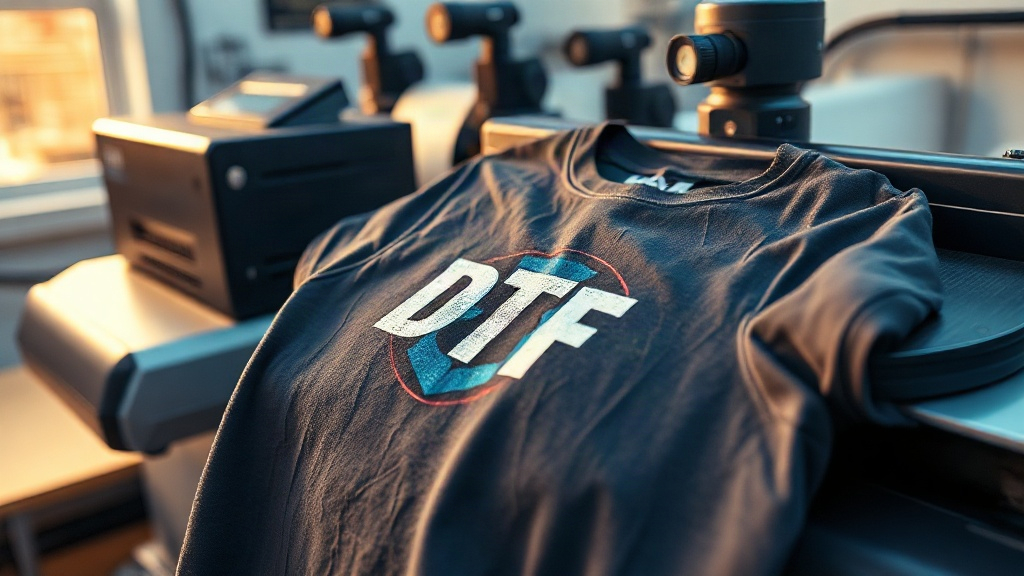
In the world of custom apparel, DTF transfers have emerged as a game-changer, offering unparalleled versatility and vibrant results. Whether you're a small business owner, a crafting enthusiast, or a professional printer, understanding DTF technology can elevate your creations and streamline your workflow. This guide dives deep into DTF transfers, covering everything from the basics to advanced techniques, so you can make informed decisions and achieve stunning outcomes.
What Are DTF Transfers?
DTF stands for Direct-to-Film, a printing method where your design is printed onto a special film, coated with a hot-melt adhesive powder, and then heat-pressed onto fabric. Unlike DTG (Direct-to-Garment) or screen printing, DTF transfers don't require pretreating the garment, and they work on a wide range of materials, including cotton, polyester, blends, and even nylon. The process involves creating a mirror-image print on film, applying adhesive powder, curing it, and transferring it with a heat press. The result is a soft, stretchable, and durable print that withstands washing and wear.
Why DTF Transfers Are Gaining Popularity
DTF transfers have skyrocketed in popularity for several compelling reasons. First, they offer exceptional color vibrancy and detail, even on dark fabrics, without the need for multiple screens or complex color separations. Second, DTF is incredibly versatile; it adheres to almost any fabric type, making it ideal for customizing t-shirts, hoodies, tote bags, and more. Third, the process is cost-effective for short runs and one-offs, eliminating setup costs associated with screen printing. Finally, DTF transfers produce a soft hand feel that customers love, and they are highly durable, resisting cracking and fading over time.
The DTF Transfer Process Step by Step
Understanding the DTF process helps you troubleshoot issues and optimize results. Here's a detailed breakdown:
- Design Preparation: Create your artwork in a graphics program, ensuring it's mirrored (flipped horizontally) before printing. This is crucial because the film is pressed face-down onto the fabric.
- Printing: Use a DTF printer with pigment inks to print the design onto a PET film. White ink is typically printed as a base layer to ensure opacity on dark garments.
- Powder Application: While the ink is still wet, apply a hot-melt adhesive powder evenly over the print. Shake off excess powder.
- Curing: Place the film in a curing oven or under a heat source to melt the powder. This step activates the adhesive and ensures proper bonding.
- Heat Pressing: Preheat your heat press to the recommended temperature (usually 300-325°F). Place the transfer on the garment, cover with a protective sheet, and press for 10-15 seconds with medium pressure.
- Peeling: Wait a few seconds for the transfer to cool slightly, then peel off the film. For a matte finish, peel while hot; for a glossy finish, peel when cold.
Each step requires attention to detail. For instance, insufficient powder can lead to poor adhesion, while over-curing can make the transfer brittle.
Materials and Equipment You'll Need
To get started with DTF transfers, you'll need specific supplies. Here's a checklist:
- DTF Printer: A dedicated printer that uses DTF pigment inks. Popular models include those from Epson and Roland.
- DTF Film: PET film designed for DTF printing, available in rolls or sheets.
- Hot-Melt Adhesive Powder: Typically TPU-based, available in fine or medium grades.
- Curing Oven or Heat Gun: For melting the powder. A dedicated oven provides consistent results.
- Heat Press: A reliable heat press with accurate temperature and pressure control.
- Protective Sheets: Teflon or parchment paper to cover the transfer during pressing.
Investing in quality equipment pays off in the long run, as it reduces errors and ensures professional-looking transfers.
Advantages of DTF Transfers Over Other Methods
When compared to other decoration methods, DTF transfers shine in several areas:
- No Pretreatment: Unlike DTG, DTF doesn't require pretreating the garment, saving time and resources.
- Fabric Versatility: Works on cotton, polyester, blends, nylon, and even leather. Screen printing and DTG are limited to certain fabrics.
- Color Brilliance: DTF produces vibrant, high-resolution prints with fine details, even on dark colors.
- Cost-Effective for Short Runs: No setup costs, making it ideal for small batches and personalized items.
- Durability: Properly applied DTF transfers withstand repeated washing without cracking or fading.
- Soft Hand Feel: The prints are thin and flexible, providing a comfortable wear.
These advantages make DTF a preferred choice for many apparel decorators.
Common Challenges and How to Overcome Them
While DTF is user-friendly, beginners often face hurdles. Here are solutions to common issues:
Poor Adhesion
If the transfer peels off, it could be due to insufficient pressure, incorrect temperature, or under-curing of the powder. Ensure your heat press is calibrated and apply even pressure. Also, verify that the powder is fully melted.
Color Fading After Wash
This often results from improper curing or using low-quality ink. Use reputable DTF inks and follow the curing guidelines precisely. Washing garments inside out in cold water also helps prolong the print's life.
Clogged Printheads
DTF printers require regular maintenance. Clogged nozzles can lead to missing colors or banding. Perform daily nozzle checks and clean the printhead as per the manufacturer's instructions.
Powder Not Sticking
If the powder doesn't adhere to the ink, it might be because the ink is too dry. Adjust your printer settings to increase ink density or apply the powder immediately after printing while the ink is still wet.
By addressing these challenges proactively, you can achieve consistent, high-quality results.
Applications of DTF Transfers
DTF transfers are incredibly versatile and can be used for a myriad of applications:
- Custom T-Shirts and Hoodies: Personalize apparel for events, teams, or resale.
- Corporate Uniforms: Add logos and names to workwear with ease.
- Promotional Items: Decorate tote bags, caps, and aprons for marketing.
- Sportswear: Create jerseys with numbers and names that withstand athletic wear.
- Fashion and Boutique Clothing: Produce limited-edition designs with intricate details.
- Home Decor: Customize pillows, blankets, and upholstery.
The possibilities are nearly endless, limited only by your creativity.
Tips for Success with DTF Transfers
To ensure your DTF transfers turn out perfectly, follow these expert tips:
- Test Your Settings: Every heat press and printer behaves differently. Run test prints to dial in the ideal temperature, pressure, and time.
- Use Quality Supplies: Cheaper films and powders can lead to inconsistent results. Invest in reputable brands.
- Store Transfers Properly: Keep unused transfers in a cool, dry place away from direct sunlight to prevent premature curing.
- Pre-Press Garments: Remove moisture and wrinkles from the fabric before transferring to ensure smooth adhesion.
- Follow Wash Care Instructions: Advise customers to wait 24 hours before washing, then wash inside out in cold water and tumble dry low.
These practices will help you achieve professional-grade results consistently.
Frequently Asked Questions About DTF Transfers
How long do DTF transfers last?
With proper application and care, DTF transfers can last as long as the garment itself. They resist cracking, peeling, and fading through numerous wash cycles. Following correct wash instructions is key to longevity.
Can I use DTF transfers on dark fabrics?
Absolutely! DTF transfers excel on dark fabrics because a white ink base layer is printed underneath the colors, ensuring vibrant and opaque results. No need for multiple screens or special treatments.
Do I need a special printer for DTF transfers?
Yes, you need a DTF printer that uses pigment inks and is designed to handle DTF film. Alternatively, you can outsource printing to a DTF transfer supplier if you don't want to invest in a printer.
What fabrics work best with DTF transfers?
DTF transfers adhere well to cotton, polyester, cotton-poly blends, nylon, and even leather. They are not recommended for fabrics with heavy coatings or finishes that repel adhesives.
How do I wash garments with DTF transfers?
Wait 24 hours after application before washing. Turn the garment inside out and machine wash in cold water with mild detergent. Avoid bleach and fabric softeners. Tumble dry on low or hang to dry. Do not iron directly on the transfer.
DTF transfers are a powerful tool for anyone in the custom apparel industry. By mastering the process and avoiding common pitfalls, you can deliver high-quality, durable, and vibrant designs that impress customers and grow your business.