
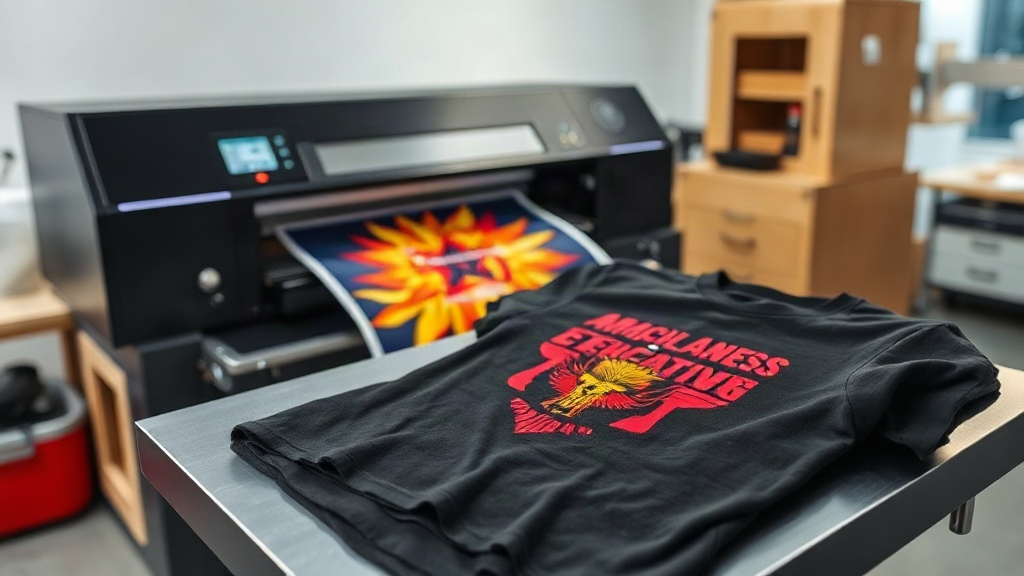
If you're in the print on demand (POD) business, you've likely heard about DTF printing. It's one of the hottest trends in custom apparel, and for good reason. Unlike traditional methods, DTF (Direct to Film) printing allows you to create vibrant, durable designs on a wide range of fabrics without the hassle of weeding or color limitations. Whether you're a seasoned seller or just starting out, understanding DTF printing can give you a competitive edge. In this guide, we'll dive deep into what DTF printing is, how it works, its pros and cons, and how you can use it to grow your POD business.
What is DTF Printing?
DTF stands for Direct to Film. It's a printing method where your design is printed onto a special film, coated with adhesive powder, and then heat-pressed onto the fabric. This process works on almost any material, including cotton, polyester, blends, and even nylon. Unlike DTG (Direct to Garment), which requires pre-treatment and works best on 100% cotton, DTF is incredibly versatile.
The magic of DTF lies in its simplicity. You don't need to weed vinyl or worry about color limitations like with screen printing. The design is printed in full color, so you can have gradients, photographs, and intricate details without extra cost. Plus, DTF transfers are stretchable and durable, making them perfect for activewear and everyday tees.
How Does DTF Printing Work?
The DTF process involves several steps, but it's straightforward once you get the hang of it. Here's a breakdown:
- Design Preparation: Create your artwork in a graphics program like Photoshop or Illustrator. Remember to mirror the image before printing.
- Printing: Use a DTF printer to print your design onto a special PET film using CMYK and white inks. The white ink acts as a base, allowing the colors to pop on dark fabrics.
- Powdering: While the ink is still wet, apply a hot melt adhesive powder over the print. Shake off the excess.
- Curing: Heat the film to melt the powder, creating a smooth, dry surface. This can be done with a heat press or a curing oven.
- Transfer: Place the film on your garment and heat press it at the recommended temperature and pressure. Once cooled, peel off the film, and your design is permanently bonded to the fabric.
Each step requires attention to detail, but with practice, you can streamline the process for efficient production.
Why DTF Printing is a Game-Changer for Print on Demand
Print on demand has revolutionized the way entrepreneurs sell custom products. With POD, you only print what you sell, eliminating inventory risks. DTF printing fits perfectly into this model because it offers:
- No Minimums: You can print one-off designs without setup costs, ideal for POD.
- Fabric Versatility: Works on cotton, polyester, blends, and more, expanding your product range.
- Vibrant Colors: Full-color prints with fine details and gradients.
- Durability: Prints withstand washing and stretching, ensuring customer satisfaction.
- Cost-Effective: Lower startup costs compared to DTG or screen printing.
These advantages make DTF a top choice for POD sellers looking to offer high-quality custom apparel.
DTF vs. DTG: Which is Better for Your Business?
Both DTF and DTG are popular in the POD world, but they have key differences. Let's compare:
- Fabric Compatibility: DTG works best on 100% cotton, while DTF works on almost any fabric.
- Pre-treatment: DTG requires pre-treatment for dark shirts, adding time and cost. DTF doesn't need pre-treatment.
- Color Vibrancy: Both offer vibrant colors, but DTF can produce brighter whites and better gradients on dark fabrics.
- Durability: DTF prints are generally more durable and stretchable, making them ideal for activewear.
- Cost: DTG printers are expensive, while DTF printers are more affordable. However, DTF requires consumables like film and powder.
Ultimately, the choice depends on your product offerings and budget. Many POD sellers use both methods to cover all bases.
Getting Started with DTF Printing
Ready to dive into DTF printing? Here's what you need:
Equipment
- DTF Printer: Options range from entry-level to industrial. Popular brands include Epson (converted), Mutoh, and Roland.
- Heat Press: A reliable heat press is crucial for transferring. Look for one with even pressure and precise temperature control.
- Curing Oven or Heat Gun: For melting the adhesive powder. A curing oven is more consistent for larger volumes.
- Computer and Software: For designing and managing prints.
Materials
- DTF Film: Special PET film designed for DTF printing.
- DTF Ink: CMYK and white inks formulated for DTF.
- Adhesive Powder: Hot melt powder that bonds the ink to the fabric.
Process Tips
- Always mirror your design before printing.
- Ensure the film is completely dry before powdering to avoid clumps.
- Use the correct pressure and temperature for your heat press.
- Test on scrap fabric before full production.
Common DTF Printing Challenges and Solutions
Like any technology, DTF printing has its quirks. Here are some common issues and how to fix them:
- Clogged Printheads: Regular maintenance and daily printing prevent clogs. Use a cleaning solution if needed.
- Poor Adhesion: Ensure the powder is fully cured and the heat press settings are correct.
- Color Issues: Calibrate your printer and use quality inks. ICC profiles can help.
- Film Wrinkling: Store film flat and handle carefully to avoid creases.
DTF Printing for Different Fabrics
One of the biggest advantages of DTF is its versatility. Here's how it performs on various materials:
- Cotton: Excellent adhesion and vibrancy.
- Polyester: Works well, but lower temperatures may be needed to avoid dye migration.
- Blends: Great results, as DTF bonds to both fibers.
- Nylon: Possible, but requires careful temperature control.
- Leather and Denim: Adds a unique texture; test first.
Cost Analysis: Is DTF Printing Profitable?
Let's break down the costs involved in DTF printing:
- Printer: $1,500 to $10,000+ depending on model.
- Ink: Approximately $0.50 to $1 per print (varies by design size).
- Film: About $0.20 per sheet.
- Powder: Around $0.10 per print.
- Labor: Minimal once automated.
For a typical A4-sized design, the cost per print might be $1.50 to $2.50, including all consumables. You can sell custom t-shirts for $20 to $30, yielding a healthy profit margin. As you scale, costs decrease, making DTF a profitable venture.
Future of DTF Printing in Print on Demand
The DTF market is growing rapidly. Innovations like faster printers, eco-friendly inks, and automated powder shakers are making the technology more accessible. As more POD sellers adopt DTF, we can expect even more advancements. Staying updated with trends will keep your business ahead of the curve.
Frequently Asked Questions
What is the difference between DTF and DTG printing?
DTF (Direct to Film) prints designs onto a film that is then heat-pressed onto the fabric, while DTG (Direct to Garment) prints directly onto the garment. DTF works on more fabrics and doesn't require pre-treatment, but DTG can be more cost-effective for 100% cotton items in high volumes.
Can I use DTF printing on dark shirts?
Yes, DTF printing is excellent for dark shirts because it uses a white ink base that makes colors pop. The white layer is printed first, followed by CMYK inks, ensuring vibrant designs on any color fabric.
How durable are DTF prints?
DTF prints are highly durable and can withstand repeated washing and stretching. When properly applied, they can last as long as the garment itself. Always follow care instructions: wash inside out in cold water and avoid ironing directly on the print.
What equipment do I need to start DTF printing?
You'll need a DTF printer, DTF film, DTF inks (CMYK and white), adhesive powder, a heat press, and a curing oven or heat gun. A computer with design software is also essential. Start with a basic setup and upgrade as your business grows.
Is DTF printing cost-effective for small businesses?
Absolutely. DTF printing has low startup costs compared to other methods like DTG or screen printing. With no minimum order requirements, you can print one-off designs profitably. As you scale, bulk purchasing of materials further reduces costs.
Conclusion
DTF printing is transforming the print on demand industry with its versatility, durability, and cost-effectiveness. By understanding the process, investing in the right equipment, and staying informed about best practices, you can offer high-quality custom apparel that delights customers. Whether you're adding DTF to your existing POD business or starting fresh, this technology opens up a world of possibilities. So why wait? Dive into DTF printing today and watch your business thrive.