
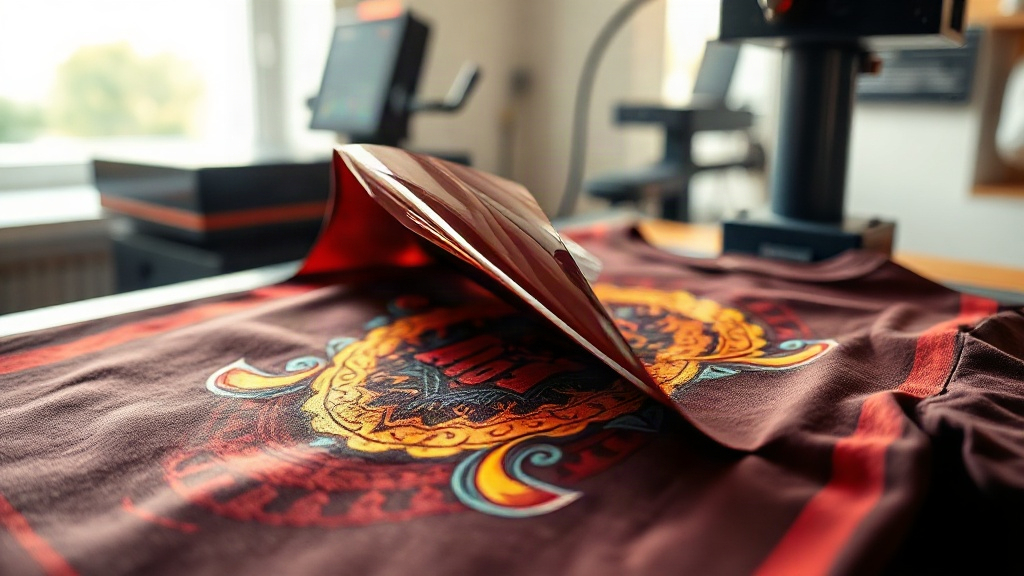
When I first stumbled upon DTF printing, I was skeptical. As someone who's tried screen printing, heat transfer vinyl, and even direct-to-garment, I thought I'd seen it all. But DTF, or direct-to-film, changed the game for my small apparel business. It allowed me to offer vibrant, full-color designs on demand without the hassle of inventory or minimum orders. In this guide, I'll share everything I've learned about DTF printing on demand, from how it works to how you can use it to grow your brand.
What is DTF Printing?
DTF stands for direct-to-film. It's a printing method where your design is printed onto a special film, coated with adhesive powder, and then heat-pressed onto fabric. Unlike DTG, which prints directly onto the garment, DTF uses a transfer film, allowing it to work on a wider range of materials, including cotton, polyester, and blends. The result is a soft, durable print that can handle intricate details and vibrant colors.
How DTF Works: Step by Step
- Design Preparation: Your artwork is prepared digitally, with colors adjusted for printing.
- Printing: A specialized printer deposits white ink and CMYK inks onto a PET film.
- Powdering: A hot-melt adhesive powder is applied to the wet ink.
- Curing: The film is heated to melt the powder, creating a dry, transferable layer.
- Transfer: The film is placed on the fabric and heat-pressed, transferring the design.
This process might sound complex, but once you have the right equipment, it's surprisingly straightforward. The key advantage is that you can print and press on demand, eliminating the need to hold stock.
Why Choose DTF Printing on Demand?
Print on demand (POD) has revolutionized the custom apparel industry, and DTF fits perfectly into this model. Here's why it's a game-changer:
- No Minimum Orders: You can print one shirt or one hundred, making it ideal for small businesses and personalized gifts.
- Material Versatility: Works on cotton, polyester, blends, and even non-fabric items like canvas bags and hats.
- Vibrant Colors: DTF produces bright, detailed prints that rival screen printing.
- Durability: The prints withstand repeated washing without fading or cracking.
- Cost-Effective: No need to invest in screens or plates; you only pay for what you print.
For me, the biggest win was being able to offer custom designs without tying up cash in inventory. I could test new designs and scale up only when they sold.
DTF vs. Other Printing Methods
To appreciate DTF, it helps to see how it stacks up against other popular methods.
DTF vs. DTG
DTG (direct-to-garment) prints directly onto the fabric, which limits it mostly to 100% cotton. DTF, on the other hand, transfers from a film, so it adheres to almost any fabric. DTF also tends to have more vibrant colors and better durability on dark garments because of the white ink layer.
DTF vs. Screen Printing
Screen printing is cost-effective for large orders but requires setup for each color, making small runs expensive. DTF has no setup costs and handles full-color designs effortlessly, making it perfect for on-demand production.
DTF vs. Vinyl
Heat transfer vinyl (HTV) is great for simple designs but struggles with complex, multi-color graphics. DTF can print photographic images and gradients with ease, and it's often faster to produce.
How to Start with DTF Printing on Demand
Ready to dive in? Here's a roadmap based on my own experience.
1. Choose Your DTF Partner or Equipment
You can either invest in a DTF printer and supplies or partner with a print-on-demand service that offers DTF. For beginners, I recommend starting with a service to avoid the learning curve and upfront costs. Look for a provider that offers fast turnaround, quality prints, and no minimums.
2. Design for DTF
DTF excels with detailed, colorful designs. Use high-resolution images (300 DPI) and avoid thin lines that might not transfer well. Remember that the white ink layer sits behind the colors, so designs with transparency will need a white base. Test your designs on different fabrics to see how they look.
3. Master the Heat Press
The heat press is crucial. You'll need to experiment with temperature, pressure, and time. Typically, 325°F for 15 seconds with medium pressure works, but always follow your film's instructions. Use a teflon sheet or parchment paper to protect the design.
4. Market Your Products
With DTF, you can offer personalized items that stand out. Promote your ability to create one-off designs, and showcase the vibrancy and durability. Social media is your friend here; post videos of the process to engage customers.
Common Challenges and Solutions
Like any method, DTF has its quirks. Here are some issues I encountered and how I fixed them.
Adhesive Powder Issues
If the powder isn't applied evenly, the transfer may peel. Ensure you shake the powder generously and shake off excess before curing. A powder shaker can help.
Color Accuracy
Colors may appear slightly different on fabric than on screen. Always do a test print and adjust your ICC profiles if needed. Using a color management tool can make a big difference.
Film Storage
Store unused film in a cool, dry place to prevent curling. Humidity can affect the adhesive powder, so keep it sealed.
Is DTF Printing Right for Your Business?
If you're a small business owner, a crafter, or someone who loves creating custom apparel, DTF printing on demand is worth considering. It offers flexibility, quality, and scalability. The initial investment in a heat press and supplies is modest compared to other methods, and the ability to print on demand means you can start small and grow.
For me, DTF opened up a world of possibilities. I could finally offer the vibrant, detailed designs my customers wanted without the constraints of traditional printing. If you're on the fence, I encourage you to give it a try. Start with a few samples, experiment, and see the results for yourself.
Frequently Asked Questions
What fabrics can I use with DTF printing?
DTF works on a wide range of fabrics, including cotton, polyester, blends, nylon, and even leather. It's also suitable for non-fabric items like canvas bags and mousepads.
How durable is DTF printing?
When applied correctly, DTF prints are highly durable. They can withstand 50+ washes without fading, cracking, or peeling if you follow care instructions like washing inside out in cold water.
Do I need a special printer for DTF?
Yes, you need a DTF printer that uses pigment inks and a film transfer process. Alternatively, you can use a print-on-demand service that handles the printing for you.
Can I use DTF for small orders?
Absolutely. DTF is perfect for small orders because there are no minimums. You can print one shirt or hundreds with the same ease.
How do I care for DTF-printed garments?
Wait 24 hours after pressing before washing. Turn the garment inside out and wash in cold water. Avoid bleach and fabric softeners. Tumble dry low or hang dry.