
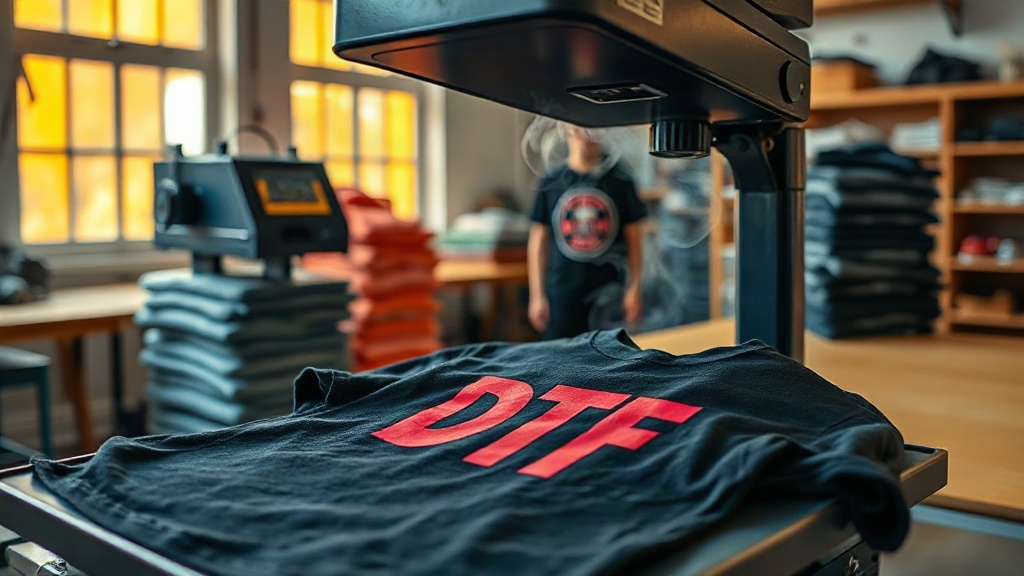
When it comes to decorating apparel with custom designs, the options can be overwhelming. From screen printing to embroidery, each method has its strengths. But there's one technology that's been gaining serious traction among crafters and professionals alike: DTF transfers. If you've been curious about this game-changing technique, you're in the right place. This guide will walk you through everything you need to know about DTF transfers, from the science behind them to practical tips for flawless application.
What Are DTF Transfers?
DTF stands for Direct to Film. It's a printing method where your design is printed onto a special film, coated with a adhesive powder, and then heat-pressed onto fabric. Unlike DTG (Direct to Garment) printing, which prints directly onto the shirt, DTF transfers allow you to print the design first and apply it later. This opens up a world of possibilities for small businesses, hobbyists, and anyone who wants to create custom apparel without investing in expensive equipment.
The process involves several key steps: designing your artwork, printing it onto a PET film using specialized inks, applying a thermoplastic powder to the wet ink, curing the powder, and finally transferring the design to your garment with a heat press. Each step is crucial for achieving a vibrant, durable result that withstands washing and wear.
Why DTF Transfers Are Taking Over the Custom Apparel Industry
There are several reasons why DTF transfers have become a favorite among apparel decorators. Let's break down the main advantages.
1. Unmatched Versatility
One of the biggest draws of DTF transfers is their ability to adhere to a wide range of fabrics. Unlike some methods that only work well on 100% cotton, DTF transfers can be applied to cotton, polyester, blends, and even treated nylon. This means you can decorate everything from classic t-shirts to performance wear, canvas bags, and even leather items. The flexibility is a game-changer for anyone working with diverse materials.
2. Incredible Detail and Color Vibrancy
DTF transfers produce stunning, high-resolution prints with fine details and smooth gradients. Because the design is printed on a film, you can achieve photographic-quality images with vibrant colors that pop. The white ink layer, which is standard in DTF printing, ensures that your design stands out even on dark fabrics. This level of detail is hard to match with other methods, especially when working with complex artwork.
3. Durability That Lasts
When applied correctly, DTF transfers are incredibly durable. They resist cracking, peeling, and fading, even after multiple washes. The key is in the powder adhesive and proper curing, which creates a strong bond with the fabric. Many users report that their DTF-printed garments hold up for years with proper care. This makes them ideal for items that will see frequent use, like team jerseys or work uniforms.
4. Cost-Effective for Small Batches
Traditional screen printing requires separate screens for each color, which can be expensive for small runs. DTF transfers eliminate that cost because you can print one-off designs or small batches without any setup fees. This makes them perfect for personalized gifts, sample orders, or limited-edition merchandise. You only pay for the materials you use, making it a budget-friendly option for startups and side hustles.
How to Apply DTF Transfers: A Step-by-Step Guide
Applying DTF transfers is straightforward, but following the right steps is essential for a professional finish. Here's a detailed walkthrough.
Step 1: Prepare Your Workspace and Garment
Start with a clean, flat surface. Preheat your heat press to the recommended temperature, usually around 300-325°F (150-160°C). While it's heating, pre-press your garment for a few seconds to remove moisture and wrinkles. This step ensures a smooth surface for the transfer to adhere to.
Step 2: Position the Transfer
Place the DTF transfer film onto the garment with the printed side facing up. If your design has a white ink layer, make sure it's positioned correctly. Use heat-resistant tape to secure the transfer in place if needed, especially for intricate designs.
Step 3: Apply Heat and Pressure
Cover the transfer with a Teflon sheet or parchment paper to protect your heat press. Apply firm pressure (medium to high) for 10-15 seconds. The exact time and temperature can vary depending on the film and powder used, so always check the manufacturer's instructions. After pressing, let the garment cool completely before peeling off the film.
Step 4: Peel and Enjoy
Once cooled, peel away the film gently. If any part of the design lifts, press it again for a few seconds. For a softer feel, you can do a second press with a Teflon sheet for 5 seconds. And that's it! Your custom apparel is ready to wear.
Common Mistakes to Avoid with DTF Transfers
Even though DTF transfers are user-friendly, there are pitfalls that can ruin your results. Here are the most common ones and how to steer clear.
- Insufficient pressure: If the pressure is too light, the transfer won't adhere properly. Adjust your heat press to medium-high pressure and ensure even contact.
- Wrong temperature: Too hot and the film may melt or the design may scorch; too cold and the adhesive won't activate. Use a laser thermometer to verify your press temperature.
- Peeling too soon: Always wait for the transfer to cool completely. Peeling while hot can cause the design to stretch or tear.
- Not pre-pressing: Skipping the pre-press can trap moisture, leading to poor adhesion. Always pre-press for 5-10 seconds.
DTF vs. Other Decoration Methods
How does DTF stack up against screen printing, DTG, and vinyl? Let's compare.
DTF vs. Screen Printing
Screen printing is cost-effective for large orders but requires setup and is limited in color complexity. DTF transfers excel in small batches and detailed designs but have a higher per-unit cost for large runs. Choose screen printing for bulk simple designs, DTF for intricate or small orders.
DTF vs. DTG
DTG prints directly onto cotton fabrics and is great for photographic images, but it struggles with polyester and dark colors. DTF works on almost any fabric and produces vibrant colors on dark garments without pre-treatment. DTF is more versatile overall.
DTF vs. Heat Transfer Vinyl
HTV is perfect for simple, single-color designs and is easy for beginners. However, layering multiple colors is time-consuming, and fine details are hard to achieve. DTF transfers handle complex, multi-color designs in one press, saving time and delivering superior detail.
Expert Tips for Flawless DTF Transfers
Want to take your DTF game to the next level? These tips from seasoned pros will help you achieve consistent, professional results.
- Invest in a quality heat press: A reliable press with even pressure and accurate temperature control is crucial. Cheap presses can lead to inconsistent results.
- Use high-quality films and powders: Not all DTF supplies are created equal. Cheaper films may curl or leave residue, while low-grade powder can cause cracking. Stick with reputable brands.
- Test your settings: Every heat press is different. Run test presses on scrap fabric to dial in the perfect time, temperature, and pressure.
- Store transfers properly: Keep unused DTF transfers in a cool, dry place away from direct sunlight. Moisture and heat can damage the film and powder.
- Wash garments inside out: To prolong the life of your DTF prints, wash them inside out in cold water and tumble dry low. Avoid ironing directly on the design.
Frequently Asked Questions About DTF Transfers
How long do DTF transfers last?
With proper application and care, DTF transfers can last as long as the garment itself. They resist cracking, peeling, and fading for 50+ washes. Following the washing instructions is key to longevity.
Can I use DTF transfers on dark fabrics?
Absolutely! DTF transfers include a white ink base that makes colors pop on dark fabrics. This is one of their biggest advantages over other methods like DTG.
Do I need a special printer for DTF transfers?
Yes, DTF printing requires a printer that uses DTF inks and a film feed system. However, you can also buy pre-printed DTF transfers from suppliers and apply them with just a heat press. This is a great option if you want to offer custom apparel without investing in a printer.
What fabrics work best with DTF transfers?
DTF transfers work on a wide range of fabrics, including cotton, polyester, blends, and even leather. They are particularly popular for polyester and performance wear because they don't require special pre-treatment.
Can I layer DTF transfers?
Yes, you can layer DTF transfers, but it's important to press each layer separately and ensure proper adhesion. However, most designs can be printed as a single transfer, so layering is rarely necessary.
Final Thoughts
DTF transfers have truly revolutionized the custom apparel industry, offering unparalleled versatility, vibrant colors, and durability. Whether you're a small business owner, a craft enthusiast, or someone looking to create personalized gifts, DTF transfers provide a cost-effective and professional solution. By following the steps and tips outlined in this guide, you'll be well on your way to producing stunning, long-lasting custom garments. So why wait? Dive into the world of DTF transfers and unleash your creativity today.