
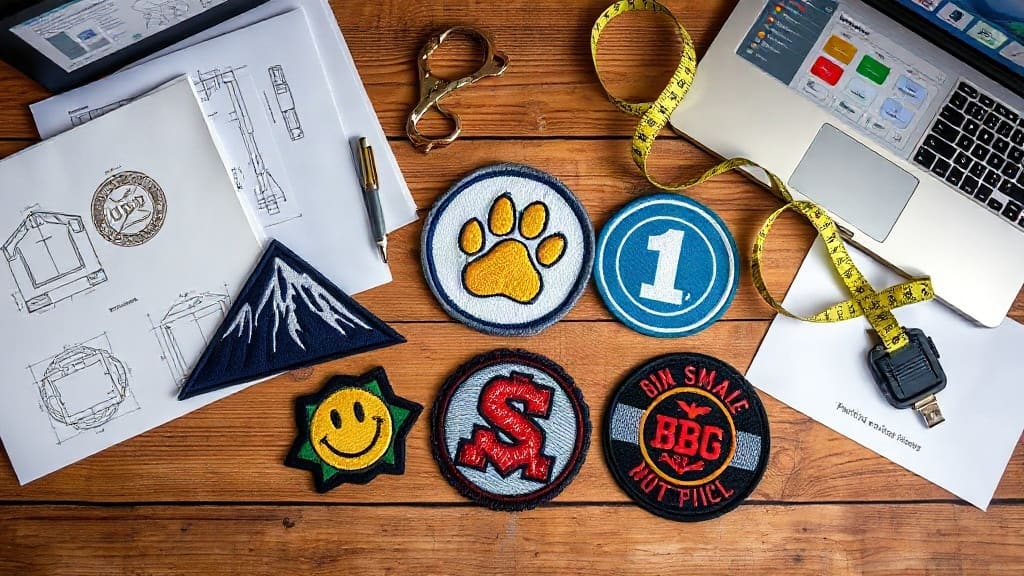
If you're looking for a low-risk way to start an online business, print on demand is probably on your radar. It's a model that lets you sell custom products without holding inventory. But here's the thing: t-shirts and mugs are saturated. To stand out, you need a product that feels unique and personal. That's where custom patches come in. They're small, versatile, and carry a lot of sentimental or symbolic value. In this guide, I'll walk you through seven profitable niches where combining these two concepts can turn your creative spark into a steady income.
I've been in the print on demand space for over five years, and I've seen trends come and go. Patches are not a trend; they've been around for decades. What's new is the ease of producing them with modern embroidery machines and selling them through POD platforms. You can now offer personalized patches without sewing a single stitch yourself. This article isn't just theory; I'll share practical insights from my own experiments and from talking to other sellers who've found success.
Why Custom Patches Are a Smart Addition to Your POD Lineup
Before we dive into niches, let's understand why patches are a great fit for print on demand. First, they have a low production cost and high perceived value. A small patch can sell for $8 to $15, but costs only a couple of dollars to make. Second, they're lightweight and easy to ship. No bulky boxes here. Third, patches are incredibly customizable. You can offer different shapes, sizes, backings (iron-on, sew-on, velcro), and of course, the design itself.
Moreover, patches appeal to a wide range of customers. From scouts and bikers to fashion enthusiasts and corporate teams, almost everyone has a use for a patch. This diversity means you can target multiple niches with the same product line. And because they're often used to represent identity or affiliation, customers are willing to pay a premium for quality and uniqueness.
7 Profitable Niches for Print on Demand with Custom Patches
Now, let's get to the meat. After analyzing market trends and testing different audiences, I've identified seven niches that are currently thriving. These are not just guesses; they're backed by search volume data and social media buzz.
1. Outdoor and Adventure Enthusiasts
Hikers, campers, and backpackers love to personalize their gear. Patches for backpacks, hats, and jackets are a huge market. Think about patches that commemorate national parks, mountain peaks, or funny campfire sayings. You can create a line of patches for each popular park, or offer custom patches with the customer's name and a favorite trail.
One seller I know started by designing patches for the Appalachian Trail. He offered both standard designs and custom ones where hikers could add their trail name and dates. His sales skyrocketed because he tapped into a community that values identity and achievement. To succeed here, focus on high-quality embroidery that can withstand the elements. Use durable materials and consider adding a velcro backing for easy attachment to bags.
2. Pet Lovers
Pet owners are notoriously obsessed with their furry friends, and they love to show it. Custom patches with a pet's face, name, or breed are a hit. You can offer patches for leashes, collars, or even pet bandanas. The emotional connection is strong, so customers are happy to pay a premium for a patch that captures their pet's personality.
When creating pet patches, you need to simplify the design for embroidery. Complex photos don't translate well to thread. Instead, focus on bold outlines and minimal colors. You could also offer breed-specific patches with a generic dog or cat shape, but the real gold is in personalization. Allow customers to upload a photo, and your team can turn it into a patch design. This service-based approach sets you apart from generic POD offerings.
3. Corporate Branding and Merchandise
Businesses are always looking for ways to promote their brand. Custom patches can be used for employee uniforms, company swag, or trade show giveaways. Unlike printed t-shirts, patches add a premium feel. You can offer bulk discounts for orders of 50 or more. This niche is B2B, which means higher order values and repeat clients.
To break into this niche, create a dedicated landing page that showcases your capabilities. Include examples of patches you've made for other companies, and highlight your quality and turnaround times. Also, think about complementary products like custom banner stands or tablecloths for trade shows. This is where you can cross-sell: a company might order patches for their staff and a custom banner for their booth. By offering a bundle, you increase your average order value.
4. Sports Teams and Fan Clubs
From little league to professional fandoms, sports generate a ton of merchandise demand. Patches are perfect for team uniforms, jackets, and fan gear. You can target local teams by offering custom patches with the team name and mascot. Or you can tap into niche sports like martial arts, where belts and gis often feature patches.
One approach is to partner with local coaches or team managers. Offer them a commission on sales or a discount for bulk orders. For fan clubs, create patches that celebrate iconic moments or player numbers. Just be careful with copyright issues. Stick to original designs or get licensing rights if you want to use official logos.
5. Fashion and Streetwear Brands
Patches are a staple in fashion, especially in streetwear and vintage styles. Brands use patches to add a rebellious or retro vibe to their clothing. As a POD seller, you can create your own brand of patches and sell them as accessories, or you can collaborate with clothing brands to produce custom patches for their next collection.
To succeed in fashion, you need to stay ahead of trends. Follow fashion influencers on Instagram and TikTok, and look at what styles are trending. You might notice that embroidered patches on denim jackets are huge, or that patches on baseball caps are becoming popular. Offer limited edition runs to create urgency. And don't forget about packaging; for fashion items, presentation matters. Include a branded backing card with your logo.
6. Scouting and Youth Organizations
Scouts, guides, and other youth groups use patches to reward achievements and build identity. This is a niche that's often overlooked but has a steady demand. Parents and leaders buy patches for campouts, skills badges, and rank advancements. The key is to offer a wide range of designs that cover common achievements.
You can also offer custom patches for local troops. Since troops are always looking for unique designs, they'll appreciate a service that lets them upload their logo or create a design from scratch. Be prepared to handle smaller quantities, but note that scouts often trade patches, so quality matters. Make sure your embroidery is clean and colors are vibrant.
7. Military and First Responders
Military personnel and first responders have a strong sense of pride and camaraderie. Patches are a way to display their unit, rank, or special qualifications. This niche requires a high level of craftsmanship and respect. You'll need to create patches that meet strict regulations, so research the specific requirements for each branch or department.
While it's a challenging niche, it's also highly loyal. Once you establish a reputation for quality, you'll get repeat orders and referrals. Also, think about supporting family members who might want patches with their loved one's name or service dates. Offer custom patches for memorials or commemorative events. This is a niche where you can make a real difference, but always operate with integrity.
How to Get Started with Print on Demand and Custom Patches
Now that you have some niche ideas, let's talk about the practical steps to launch your business. First, choose a reliable POD supplier that offers patch production. Not all print on demand companies do embroidery, so you need to find one that specializes in patches. Look for reviews, sample quality, and turnaround times.
Next, set up your online store. You can use platforms like Shopify, Etsy, or even Amazon Merch. Each has its pros and cons. Etsy is great for reaching a crafty audience, while Shopify gives you more control. Make sure your product photos show the patches in real-life settings, like on a backpack or jacket. This helps customers visualize the size and quality.
Pricing is critical. You need to cover your costs and make a profit, but also stay competitive. Research what similar patches sell for. A good rule of thumb is to price at 2-3 times your base cost. Don't forget to factor in shipping, which can eat into your margins if you're not careful.
Marketing Tips for Your Patch Business
Having a great product isn't enough; you need to get it in front of people. Social media is your friend. Instagram and Pinterest are visual platforms where patches shine. Post close-ups of your embroidery, behind-the-scenes videos of the production process, and customer photos. Use hashtags like #custompatches and #embroideredpatch to increase visibility.
Another effective strategy is to collaborate with influencers in your niche. For example, if you're targeting outdoor enthusiasts, send a free patch to a popular hiking blogger and ask for a review. User-generated content is powerful. Encourage your customers to share photos of your patches in action. You can even create a contest where the best photo wins a free set of patches.
Email marketing is also underrated. Build an email list from day one. Offer a discount code in exchange for a sign-up. Then, send regular newsletters with new designs, behind-the-scenes stories, and exclusive offers. This keeps your brand top-of-mind and encourages repeat purchases.
Scaling Your Print on Demand Patch Business
Once you've validated your niche and have some steady sales, it's time to scale. One way is to expand your product line. Instead of just patches, offer custom banner flags or other embroidered items. This is where you can leverage the same designs across multiple products. For example, if you have a popular patch design, you can also sell it as a custom banner for events or as a keychain.
Another scaling strategy is to automate your order fulfillment. Many POD suppliers integrate with your store, so orders are automatically sent to them for production and shipping. This frees up your time to focus on marketing and design. You can also consider creating your own designs and selling them as digital files for customers to print themselves, though that's a different model.
Finally, consider outsourcing customer service. As your volume grows, you'll get more inquiries. Hiring a virtual assistant can help you manage emails and social media, ensuring you maintain a high level of customer satisfaction.
Final Thoughts
Starting a print on demand business with custom patches is an exciting venture. The combination of low upfront costs and high creative potential makes it accessible to anyone. The key is to choose a niche that you're passionate about and that has real demand. I've shared seven niches that are working, but there are countless others. Do your research, test your ideas, and don't be afraid to iterate.
Remember, success doesn't happen overnight. It takes time to build a brand and attract customers. But with patience and persistence, you can turn this side hustle into a thriving business. And the best part? You get to see your designs come to life on patches that people proudly wear.
If you're ready to start, I encourage you to pick one niche from this list and build a prototype. Create a few sample patches, set up your store, and start marketing. The sooner you start, the sooner you'll learn what works for you.
Frequently Asked Questions
How much can I earn with print on demand custom patches?
Earnings vary widely based on your niche, pricing, and marketing efforts. Some sellers make a few hundred dollars a month, while others turn it into a full-time income. The key is to find a niche with high demand and low competition. You can increase your profit by offering premium quality and unique designs, and by upselling complementary products like custom banners.
What is the minimum order quantity for custom patches?
Most print on demand patch suppliers offer no minimum order quantity, which is great for testing new designs. However, if you order in bulk, the per-unit cost drops significantly. For example, ordering 100 patches might cost $3 each, while 1000 patches might cost $1 each. So, as you grow, consider holding some inventory to improve your margins.
Do I need to have embroidery skills to sell custom patches?
No, you don't need any embroidery skills. When you use a print on demand service, you simply upload your design and the supplier handles the production. You need to ensure your design is suitable for embroidery, like using vector files and avoiding too many colors or fine details. But the actual stitching is done by machines.
How long does it take to produce and ship custom patches?
Production time typically ranges from 3 to 7 business days, depending on the complexity and the supplier's workload. Shipping time varies by location. If you use a POD service, they'll handle the shipping to your customer. This means you don't have to worry about inventory management or shipping logistics.
Can I combine custom patches with other print on demand products?
Absolutely. Many sellers create a cohesive brand that includes patches, t-shirts, hats, and even custom banners. This allows you to cross-sell and increase your average order value. For example, a customer might buy a patch for their jacket and a matching t-shirt. By offering a range of products, you provide more value and build a stronger brand.