
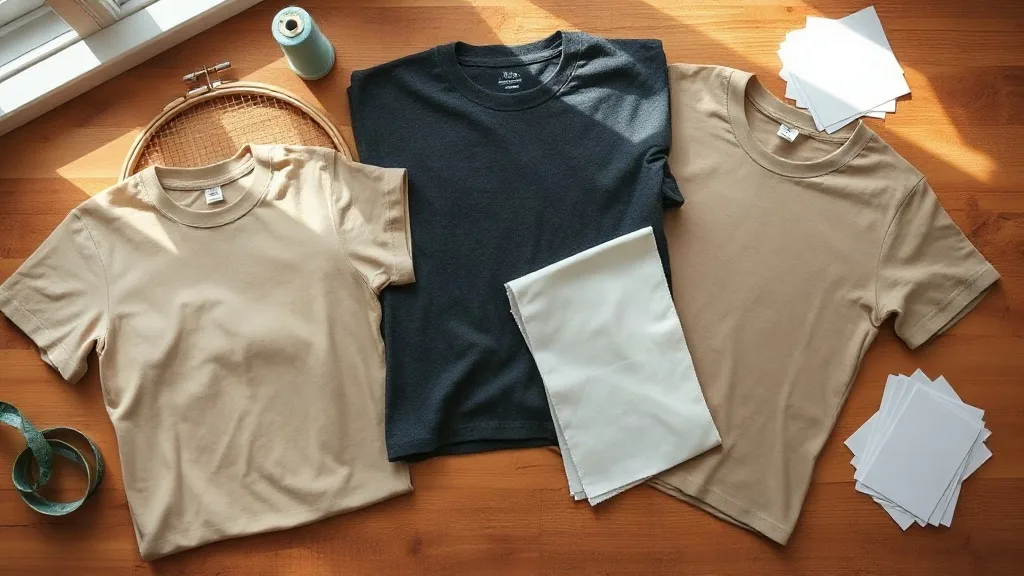
Most people who end up printing on shaka wear didn't arrive there through an ad. They arrived because a friend handed them a heavy tee that held its shape after thirty washes, or because a local shop quoted them a price that made a small run feel possible. That quiet, word-of-mouth reputation is worth understanding before you commit a few hundred units to any brand. This guide walks through what these blanks actually are, where they fit in a real branding workflow, and how to avoid the mistakes that turn a good garment into a wasted screen or a puckered embroidery stitch.
Why Blank Choice Matters More Than Most People Think
When a design looks off on a finished shirt, the instinct is to blame the artwork. In practice, the fabric is often the culprit. A 4.5 oz jersey and a 6.5 oz heavyweight behave differently under the same screen, take embroidery hoops differently, and drape differently on a body. If you pick the blank after finalizing the art, you're working backwards.
Heavyweight cotton has become the default for streetwear and event merch for a reason. It holds structure, resists the see-through problem on lighter colors, and photographs well in product shots. Lighter ringspun cotton, by contrast, gives a softer hand-feel that suits retail-style apparel and fitted silhouettes. Neither is better in the abstract. The question is what the wearer will actually do in the garment.
What Shaka Wear Brings to the Table
shaka wear has built its reputation on that heavyweight, structured feel. The lineup leans toward boxy fits, dense cotton, and colorways that hold up to embroidery without the fabric bunching underneath the stitch. For brands doing box-logo work or chest-hit embroidery, that density is a genuine advantage: the stitch sits on top of the fabric instead of sinking into it.
The trade-off is breathability. A denser tee runs warmer, which matters if you're producing for a summer market or a climate with real humidity. It's not a dealbreaker, just something to plan around. If your customers are in Phoenix or Istanbul, consider whether your hero product should be the heaviest option or one step down.
Fit and Sizing Notes
Heavyweight tees tend to run boxier through the body and shorter through the sleeve than standard retail cuts. If you're ordering samples for approval, order two sizes up from your usual reference point and wash them before measuring. Cotton shrinkage on a 6+ oz garment is real, and a shirt that fits perfectly pre-wash can come back a full size smaller.
- Order a size run sample, not a single unit, before committing to bulk.
- Wash and dry the sample at the temperature your customer will use, then re-measure.
- Check shoulder seam placement on a real body, not a flat lay.
- Confirm the color match across sizes; dye lots can vary between small and 3XL.
Where Smart Blanks Fit In
If heavyweight is the statement piece, smart blanks are the workhorse. The range covers the styles a growing brand actually needs to fill out a catalog: tees in multiple weights, long sleeves, and the kind of neutral color palette that makes a collection look intentional rather than random. For a first drop, this is often the more sensible starting point because you can test several silhouettes without committing to a single supplier's quirks.
The practical benefit shows up in consistency. When you source multiple styles from one program, the sizing and color standards tend to align, which means your size chart actually holds across the catalog. That sounds minor until you've dealt with a customer who bought a medium in one style and a medium in another and got two different fits.
Matching Fabric to Decoration Method
Not every blank suits every decoration. A quick reference before you order:
- Screen printing: Works on nearly everything, but plastisol sits differently on ringspun versus open-end cotton. Test on the actual blank.
- Embroidery: Needs enough fabric density to support stitch counts above roughly 8,000 without distortion. Heavyweight cotton handles this better than thin jersey.
- DTG (direct-to-garment): Performs best on 100% cotton with a tight weave. Poly blends can shift color and feel plasticky.
- Vinyl and heat transfer: Flexible across fabrics, but adhesion quality drops on loosely knit or heavily brushed surfaces.
Building a Branding Workflow Around These Blanks
The brands that get the most out of a blank program treat it as a system rather than a one-off purchase. That means deciding early which styles are your core, which are seasonal, and which exist purely to fill size gaps. A workable structure looks something like this:
- Pick two hero styles and commit to them for at least two production cycles. Consistency builds recognition.
- Lock your decoration specs before bulk: stitch count, thread color codes, print placement measurements from the collar seam.
- Keep a physical reference sample of each approved style, signed and dated, so future runs can be compared against it.
- Document wash results from your own test, not the supplier's claim. Real shrinkage data beats a spec sheet.
That reference sample matters more than people expect. Six months from now, when a new production run arrives, you want to hold it next to the approved unit and confirm the collar ribbing, the fabric weight, and the stitch density haven't drifted.
Embroidery Placement That Actually Looks Professional
Most amateur-looking embroidered merch fails on placement, not design. A left-chest logo should sit roughly 7 to 9 cm below the shoulder seam and 7 to 9 cm in from the center placket, measured to the center of the design. On a boxy heavyweight tee, that shifts slightly because the shoulder seam sits differently. Always hoop a test garment and look at it on a person before you approve the file.
Two more details worth checking: stitch direction and underlay. A design with no underlay will sink into the fabric on a dense cotton blank, and the edges will look ragged after a few washes. Ask your embroiderer what underlay they're using and whether they've run the file on your specific blank weight.
Cost, Volume, and the Reality of Small Runs
Blank pricing scales in tiers, and the jumps between tiers are often steep enough to change your plan. A 50-unit run might cost noticeably more per piece than a 150-unit run, which pushes many small brands toward consolidating styles. That's a legitimate strategy, but it has a downside: a narrow catalog limits the sizes and colors you can offer, and customers notice when a popular color is missing in large sizes.
A middle path that works for many first-time producers is to pick one hero style across a full size run and two or three colors, then add a second style in a single colorway as a limited piece. You get catalog depth without overextending on inventory you can't move.
Frequently Asked Questions
Are Shaka Wear blanks good for embroidery?
Yes, generally. The heavier cotton weight supports higher stitch counts without the fabric pulling or distorting, which is the main failure point on thinner blanks. Run a test stitch on the exact style and color you plan to use, since dye and finishing can affect how the fabric behaves under the needle.
How much do cotton blanks shrink after washing?
It depends on the fabric weight and how the garment was finished, but a reasonable planning assumption for heavyweight cotton is 3 to 7 percent shrinkage in length after the first hot wash and dry. Measure your own sample rather than relying on a general figure, and consider pre-shrinking your reference garment before you finalize the size chart.
Can I mix Shaka Wear and Smart Blanks in one collection?
You can, and many brands do. The risk is inconsistency: different programs can have slightly different sizing standards and color temperatures. If you mix, order samples of both and compare them side by side in the same lighting before you build a size chart that covers the whole catalog.
What's the minimum order for custom embroidered blanks?
Minimums vary by supplier and by decoration method, so there's no single number to quote. Embroidery setups often carry a lower per-unit minimum than screen printing because there's no screen cost, but digitizing fees apply once per design. Ask specifically whether the digitizing fee is one-time and whether you own the file afterward.
Should I choose heavyweight or midweight for a first drop?
If your brand identity leans streetwear or premium, heavyweight gives you the structure and perceived value that customers associate with higher price points. If you're targeting everyday wear or a warmer climate, midweight will get more actual use. Either way, order a sample in both and wear them for a week before deciding.