
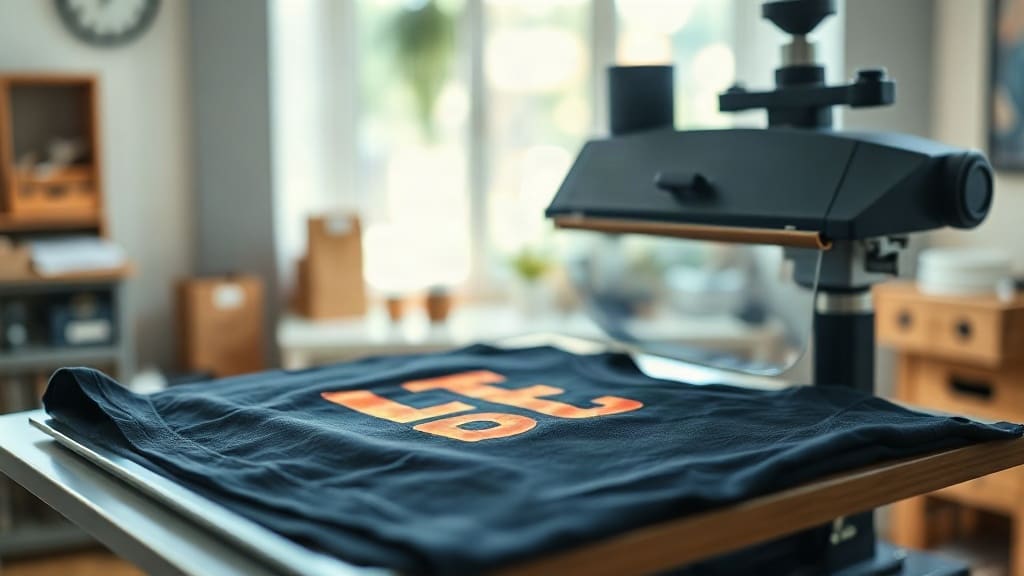
Imagine pressing a vibrant, full-color design onto a dark cotton hoodie without worrying about weeding or layering. That's the magic of DTF transfers. Unlike traditional heat transfer vinyl or screen printing, DTF (Direct to Film) technology opens up a world of possibilities for custom apparel creators, from small businesses to DIY enthusiasts. In this guide, we'll dive deep into what DTF transfers are, how they work, and why they might become your new favorite decoration method.
What Are DTF Transfers?
DTF transfers are a type of heat-applied graphic produced by printing a design onto a special film using water-based pigments, then coating it with a thermoplastic powder adhesive. When heat-pressed, the adhesive melts and bonds the design to the fabric. This process allows for intricate details, gradients, and photographic images on almost any fabric, including cotton, polyester, and blends. The result is a soft, stretchable print that withstands repeated washing.
How DTF Transfers Differ from Other Methods
Compared to screen printing, DTF requires no setup fees or minimums, making it ideal for small batches. Unlike vinyl, there's no weeding or layering, saving hours of tedious work. And unlike sublimation, DTF works on dark and light cottons without needing special coatings. The versatility is unmatched.
The DTF Printing Process Step by Step
Understanding the process helps you appreciate the technology and troubleshoot issues. Here's how it works:
- Design Preparation: Create your artwork in a graphics program, ensuring it's mirrored if necessary (though most DTF printers handle mirroring automatically).
- Printing: A DTF printer prints the design onto a PET film using CMYK plus white ink. The white ink acts as a base for opacity on dark fabrics.
- Powdering: While the ink is still wet, a fine thermoplastic powder is applied evenly over the print.
- Curing: The film passes through a heat source (like a curing oven or heat press) to melt the powder, creating a flexible adhesive layer.
- Transfer: The cured film is placed on the garment and heat-pressed. After cooling, the film is peeled away, leaving the design bonded to the fabric.
Why Choose DTF Transfers for Your Projects?
There are several compelling reasons to incorporate DTF transfers into your workflow:
- No color limitations: Print vibrant gradients, photos, and fine details without extra cost.
- Fabric versatility: Works on cotton, polyester, blends, and even some leathers.
- Durability: Properly applied DTF prints resist cracking, peeling, and fading.
- Cost-effective for small runs: No minimums, no setup fees.
- Soft feel: The prints are thin and flexible, not rubbery.
Applications of DTF Transfers
From custom t-shirts for events to personalized gifts, DTF transfers shine in many scenarios. Small businesses use them for on-demand printing, while crafters love them for adding flair to tote bags, hats, and denim jackets. They're also great for sports jerseys, corporate uniforms, and promotional items.
Tips for Perfect DTF Transfers
To achieve professional results, follow these best practices:
- Pre-press the garment: Remove moisture and wrinkles for better adhesion.
- Use consistent pressure: Medium to heavy pressure ensures even bonding.
- Mind the temperature: Typically 300-325°F (150-160°C) for 10-15 seconds.
- Peel correctly: Wait for the transfer to cool completely before peeling (cold peel).
- Test on scrap fabric: Every fabric behaves differently, so always do a test press.
Common Mistakes to Avoid
Even seasoned pros can slip up. Watch out for these pitfalls:
- Insufficient pressure: Leads to poor adhesion and premature peeling.
- Overheating: Can cause the adhesive to burn or the film to warp.
- Peeling too soon: Hot peel can distort the design.
- Ignoring fabric type: Some fabrics require lower temperatures or special handling.
Frequently Asked Questions About DTF Transfers
How long do DTF transfers last?
With proper application and care, DTF transfers can last 50+ washes without significant fading or cracking. Always wash inside out in cold water and avoid bleach.
Can I use DTF transfers on 100% polyester?
Yes, DTF works well on polyester, but you may need to lower the press temperature to around 280°F (140°C) to prevent dye migration. Using a low-temperature adhesive powder can also help.
Do I need a special printer for DTF?
Yes, a DTF printer is required to print the designs onto film. However, you can also purchase pre-printed DTF transfers from suppliers if you don't want to invest in a printer.
What's the difference between DTF and DTG?
DTG (Direct to Garment) prints directly onto the fabric, while DTF involves printing onto a film and then transferring. DTF offers more versatility with fabrics and colors, while DTG is better for small details on cotton.
Can I stretch DTF prints?
Yes, DTF prints are stretchable and flexible, making them suitable for athletic wear and stretchy fabrics. The adhesive and ink move with the fabric.
Whether you're a hobbyist or a growing apparel brand, DTF transfers offer a powerful way to bring your designs to life. With the right techniques and a bit of practice, you'll be creating durable, vibrant custom pieces in no time.