
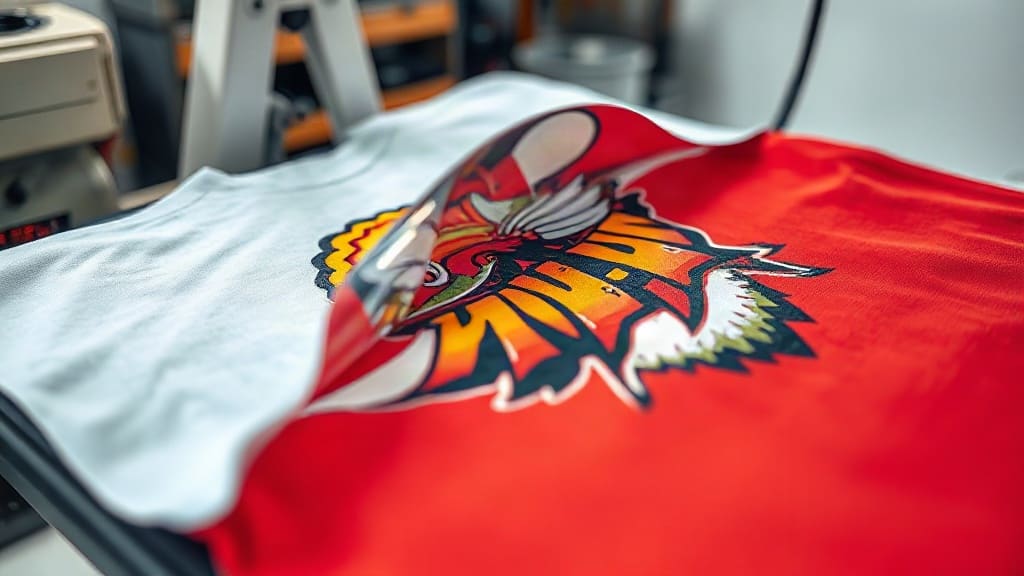
When you want custom apparel that pops with color and detail, DTF transfers have become a go-to solution for creators and businesses alike. Unlike traditional methods that limit your design options, DTF transfers open up a world of possibilities, from intricate gradients to photorealistic images, all on a wide range of fabrics. Whether you're a seasoned screen printer or a DIY enthusiast, understanding DTF transfers can elevate your custom clothing game.
What Are DTF Transfers?
DTF stands for Direct to Film. It's a printing technology where your design is printed onto a special PET film using water-based inks, then coated with a hot-melt adhesive powder. When heat-pressed onto a garment, the adhesive melts, bonding the ink to the fabric. This process creates a durable, stretchable transfer that feels soft and looks vibrant.
The beauty of DTF transfers lies in their versatility. They can be applied to almost any fabric, including cotton, polyester, blends, and even nylon. Unlike DTG (Direct to Garment) printing, which requires pre-treatment and works best on 100% cotton, DTF transfers adhere to a wider range of materials without complicated prep.
How DTF Transfers Work: Step by Step
Understanding the workflow helps you appreciate why DTF is gaining popularity. Here's a breakdown of the process:
- Design Preparation: Create your artwork in a graphics program. Remember to mirror the image before printing, as the film is pressed face-down onto the fabric.
- Printing: A DTF printer uses CMYK and white inks to print the design onto a PET film. The white ink acts as a base, allowing the colors to show up brightly on dark garments.
- Powdering: While the ink is still wet, a hot-melt adhesive powder is applied evenly over the print. Excess powder is shaken off.
- Curing: The film goes through a curing oven or heat press to melt the powder, creating a dry, tack-free surface.
- Transfer: The film is placed on the garment and heat-pressed at a specific temperature and pressure for a set time. Once cooled, the film is peeled away, leaving the design bonded to the fabric.
Each step requires attention to detail, but the results are worth it. The final product is a vibrant, durable transfer that withstands washing and stretching.
Why Choose DTF Transfers Over Other Methods?
If you're comparing decoration methods, DTF offers several compelling advantages:
- No color limitations: Unlike vinyl cutting, DTF can print full-color images with gradients and fine details.
- Fabric versatility: Works on cotton, polyester, blends, and even treated nylon. No need for different supplies for different shirts.
- Durability: When applied correctly, DTF transfers outlast many other methods, resisting cracking and fading.
- Soft feel: The adhesive powder creates a flexible, thin layer that doesn't feel rubbery or stiff.
- Cost-effective for small batches: No setup fees or minimums, making it ideal for one-off projects or small runs.
For businesses, this means you can offer more customization without investing in multiple types of equipment. For hobbyists, it means professional-quality results at home.
DTF vs. DTG: Which Is Right for You?
DTG printing is popular for its ability to print directly onto garments, but it has limitations. It requires pre-treatment, works best on 100% cotton, and can struggle with fine details on dark shirts. DTF transfers, on the other hand, don't need pre-treatment, adhere to more fabrics, and produce consistent results on both light and dark materials. If you want simplicity and versatility, DTF is often the better choice.
DTF vs. Vinyl: When Detail Matters
Heat transfer vinyl (HTV) is great for simple designs, but it can't handle complex images or gradients. Each color requires a separate layer of vinyl, which can make multi-color designs time-consuming and bulky. DTF transfers print the entire design at once, including white underbase, so you get a smooth, detailed result without layering.
Choosing the Right DTF Transfer Supplies
To get started with DTF, you'll need a few key supplies:
- DTF Printer: Dedicated DTF printers are available, or you can convert certain inkjet printers with DTF ink systems.
- DTF Ink: Water-based inks formulated for DTF, including CMYK and white.
- PET Film: Special film that accepts the ink and releases it during transfer.
- Adhesive Powder: Hot-melt powder that bonds the ink to the fabric.
- Heat Press: A reliable heat press with accurate temperature and pressure control.
Quality supplies make a big difference. Cheaper films can cause ink smearing or poor adhesion, while low-grade powder may lead to cracking. Invest in reputable brands to ensure consistent results.
Step-by-Step Application Tips for Perfect Results
Even with the best supplies, technique matters. Here are some expert tips to get flawless DTF transfers every time:
- Preheat the garment: This removes moisture and wrinkles, ensuring proper adhesion.
- Position the transfer: Place the film on the garment with the design facing up. Use heat-resistant tape if needed.
- Press with firm pressure: Follow the recommended temperature (usually 300-325°F) and time (10-15 seconds). Too little pressure can cause poor bonding.
- Peel while hot or cold? Most DTF transfers are hot-peel, but check your film's instructions. Peeling while hot gives a matte finish; cold peel can be easier for fine details.
- Post-press for durability: After peeling, press again for a few seconds with a cover sheet to enhance washability.
Practice on scrap fabric to dial in your settings. Small adjustments can make a big difference.
Common Mistakes to Avoid
New users often encounter issues like faded colors, cracking, or poor adhesion. These usually stem from:
- Insufficient pressure or uneven pressure across the platen.
- Incorrect temperature (too low causes poor bonding; too high can scorch the film).
- Not pre-pressing the garment, leading to moisture trapped under the transfer.
- Using old or low-quality powder that doesn't melt properly.
By avoiding these pitfalls, you'll achieve professional-looking results consistently.
Applications of DTF Transfers Beyond T-Shirts
While t-shirts are the most common canvas, DTF transfers shine on other items too. Think tote bags, hoodies, caps, denim jackets, and even shoes. The ability to adhere to different fabrics means you can customize almost anything. For example, a detailed logo on a polyester sports jersey or a colorful design on a canvas tote both work beautifully with DTF.
Businesses are using DTF for promotional products, team uniforms, and fashion lines. The method's flexibility allows for quick turnarounds and on-demand production, reducing inventory waste.
Frequently Asked Questions About DTF Transfers
How long do DTF transfers last?
When applied correctly and cared for properly, DTF transfers can last as long as the garment itself. Wash inside out in cold water and avoid harsh detergents or high heat in the dryer. With proper care, you can expect 50+ washes without significant fading or cracking.
Can I use DTF transfers on 100% polyester?
Yes, DTF transfers work well on polyester. In fact, they often adhere better to polyester than DTG. However, because polyester is heat-sensitive, use lower temperatures (around 280-300°F) and shorter pressing times to avoid scorching or dye migration. Always test on a scrap piece first.
Do I need a special printer for DTF?
You can buy a dedicated DTF printer, or convert an existing inkjet printer (like an Epson) with DTF ink and a film handling system. Dedicated printers are easier to use and maintain, but conversions can be cost-effective for beginners. Just ensure the printer can handle white ink, as it's essential for DTF.
What's the difference between DTF and DTG?
DTG prints directly onto the garment, while DTF prints onto a film that is then transferred. DTF doesn't require pre-treatment, works on more fabrics, and produces vibrant colors on dark shirts without a white underbase. DTG is limited to cotton and needs pre-treatment. DTF is generally more versatile.
How do I store unused DTF transfers?
Store them in a cool, dry place away from direct sunlight. Keep them flat or rolled, not folded, to prevent creases. If stored properly, they can last for several months. Avoid high humidity, which can cause the powder to clump.
Final Thoughts: Elevate Your Custom Apparel with DTF Transfers
DTF transfers are a game-changer for anyone in the custom apparel industry. They combine the best of digital printing with the versatility of heat transfer, offering vibrant colors, fine details, and durability on a wide range of fabrics. Whether you're a small business owner, a craft hobbyist, or a large manufacturer, incorporating DTF into your workflow can expand your offerings and delight your customers.
As with any technique, success comes from quality supplies, proper technique, and a bit of practice. Start with a small project, experiment with settings, and soon you'll be producing professional-grade custom apparel that stands out. The world of DTF is waiting, so dive in and let your creativity run wild.