
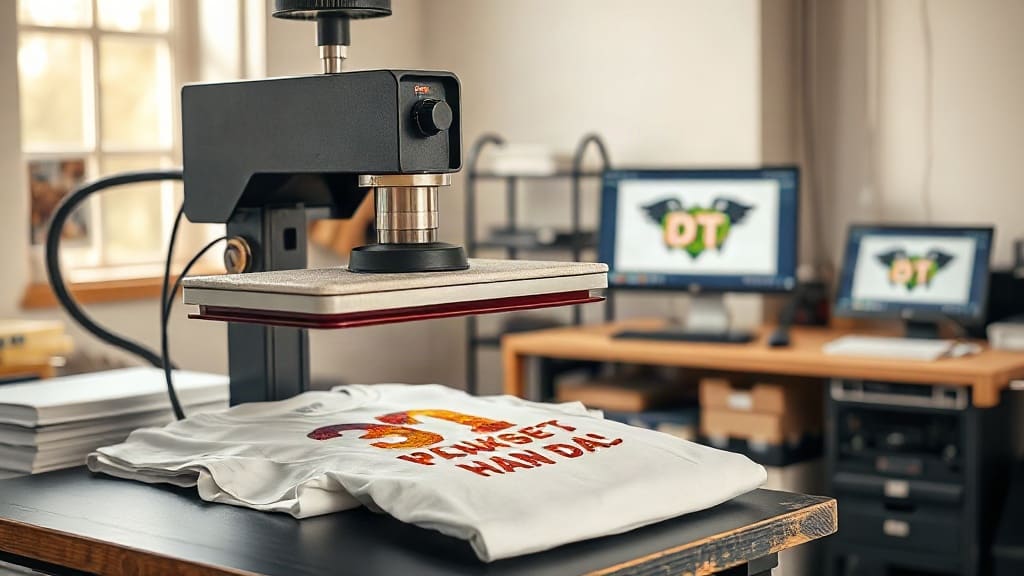
When you want to create custom apparel that stands out, the printing method you choose makes all the difference. DTF transfers have quickly become a favorite among crafters, small business owners, and DIY enthusiasts for their ability to produce vivid, long-lasting designs on almost any fabric. Unlike traditional methods that limit your creativity, DTF transfers open up a world of possibilities. Whether you're printing a single shirt for a special occasion or running a full-scale apparel business, understanding DTF transfers can elevate your game.
What Are DTF Transfers?
DTF stands for Direct to Film. It's a printing technique where your design is printed onto a special film, coated with a heat-activated adhesive powder, and then transferred onto fabric using a heat press. The result is a soft, flexible print that bonds seamlessly with the material. DTF transfers differ from DTG (Direct to Garment) because they don't require the fabric to be pre-treated, and they work on a wider range of materials, including cotton, polyester, blends, and even leather.
The process involves several steps: designing your artwork, printing it onto the film using specialized DTF inks, applying the adhesive powder, and curing it. Once the transfer is ready, you simply place it on your garment and press. The magic happens when the adhesive melts, embedding the ink into the fabric fibers. This creates a durable bond that resists cracking, peeling, and fading.
Why Choose DTF Transfers Over Other Methods?
If you've ever worked with vinyl or screen printing, you know the limitations. Vinyl can be bulky and only works on certain fabrics. Screen printing is cost-effective for large orders but requires separate screens for each color, making small batches expensive. DTF transfers eliminate these headaches. Here's why they're a game-changer:
- Unmatched versatility: DTF transfers adhere to cotton, polyester, nylon, leather, and more. You're not restricted to a single fabric type.
- No color limits: Unlike screen printing, DTF can reproduce full-color images with gradients, fine details, and photographic quality without extra cost.
- Cost-effective for small runs: You can print one-off designs without minimum orders or setup fees, making them perfect for personalized gifts or small businesses.
- Durability: When applied correctly, DTF prints withstand dozens of washes without fading or cracking.
- Soft feel: The prints are thin and flexible, so they don't feel like a plastic patch on your shirt.
These advantages make DTF transfers an ideal choice for anyone looking to create professional-quality custom apparel without investing in expensive equipment.
How to Apply DTF Transfers: Step-by-Step
Applying DTF transfers is straightforward, but following the right steps ensures a perfect result every time. Here's what you need to do:
- Prepare your heat press: Set the temperature to around 325°F (160°C) and preheat your garment for a few seconds to remove moisture.
- Position the transfer: Place the DTF transfer on the garment with the printed side up. The adhesive side should be facing down.
- Press: Apply medium pressure for 15-20 seconds. If you're using a home iron, press firmly for 30-40 seconds.
- Peel: Wait for the transfer to cool completely (cold peel) or peel while hot (hot peel), depending on the film type. Most DTF transfers are cold peel.
- Post-press: Cover the design with parchment paper or a Teflon sheet and press again for 5-10 seconds to smooth the finish.
That's it! Your custom apparel is ready to wear. For best results, always follow the specific instructions provided by your DTF transfer supplier, as formulations can vary.
Common Mistakes to Avoid with DTF Transfers
Even though DTF transfers are forgiving, a few missteps can ruin your project. Watch out for these pitfalls:
- Insufficient pressure: Without enough pressure, the adhesive won't fully bond, leading to peeling. Make sure your heat press is calibrated.
- Wrong temperature: Too hot and the film may scorch; too cold and the adhesive won't activate. Invest in an infrared thermometer to check.
- Not pre-pressing: Moisture in the fabric can cause steam pockets, resulting in uneven adhesion. Always pre-press for 5-10 seconds.
- Peeling too early or too late: Follow the recommended peel method. Cold peel means waiting until the transfer is completely cool; hot peel means peeling immediately.
- Using too much pressure on stretchy fabrics: This can distort the design. Use medium pressure and consider a pressing pillow for seams.
By avoiding these mistakes, you'll achieve professional-looking results consistently.
DTF Transfers vs. Other Printing Methods: A Quick Comparison
To help you decide, here's how DTF stacks up against common alternatives:
- DTF vs. DTG: DTG requires pre-treatment and works best on 100% cotton. DTF works on more fabrics and often has brighter colors.
- DTF vs. Vinyl: Vinyl is limited to one color per layer and can feel thick. DTF allows full-color designs with a softer feel.
- DTF vs. Screen Printing: Screen printing is cost-effective for large orders but expensive for small batches. DTF has no minimums and no setup fees.
- DTF vs. Sublimation: Sublimation only works on light-colored polyester. DTF works on dark colors and cotton too.
For small businesses and hobbyists, DTF transfers offer the best balance of quality, versatility, and cost.
Choosing the Right DTF Transfer Supplier
Not all DTF transfers are created equal. The quality of the film, ink, and adhesive powder significantly impacts the final result. When selecting a supplier, consider these factors:
- Ink quality: Look for vibrant, opaque inks that don't require double printing.
- Adhesive powder: Fine powder ensures a smooth finish and strong bond.
- Film thickness: Thinner films conform better to fabric and feel softer.
- Customer reviews: Check feedback on durability and color accuracy.
- Price and turnaround: Balance cost with shipping speed and reliability.
Many suppliers offer sample packs, so you can test before committing to a large order. At 3dembroidered.com, we provide high-quality DTF transfers with fast turnaround and exceptional detail.
Frequently Asked Questions About DTF Transfers
How long do DTF transfers last?
With proper application and care, DTF transfers can last 50+ washes. To maximize longevity, wash garments inside out in cold water and avoid harsh detergents or bleach. Tumble dry on low or hang dry.
Can I use DTF transfers on dark fabrics?
Absolutely! DTF transfers include a white ink layer that makes colors pop on dark backgrounds. This is a major advantage over sublimation, which requires light-colored polyester.
Do I need a commercial heat press for DTF transfers?
While a commercial heat press gives the most consistent results, you can use a home iron or a Cricut EasyPress. Just ensure you apply even pressure and the correct temperature. For frequent use, a heat press is a worthwhile investment.
Are DTF transfers safe for children's clothing?
Yes, DTF transfers are safe for children's clothing as long as the inks and adhesives are non-toxic and comply with safety standards. Look for suppliers that offer CPSIA-compliant products.
What file format do I need for DTF printing?
You'll need a high-resolution PNG file with a transparent background. Most suppliers recommend 300 DPI for crisp details. Vector files (AI, EPS) can also work but may need to be rasterized.
Final Thoughts on DTF Transfers
DTF transfers have democratized custom apparel printing, allowing anyone to create vibrant, durable designs on a wide range of fabrics without breaking the bank. Whether you're a hobbyist or a business owner, mastering DTF transfers can open up new creative and commercial opportunities. Remember to choose quality supplies, follow application instructions carefully, and avoid common mistakes. With a little practice, you'll be producing professional-grade apparel that impresses customers and friends alike.