
When it comes to creating custom apparel that stands out, the printing method you choose can make or break your designs. Enter DTF transfers, a game-changing technology that has taken the garment decoration world by storm. Unlike traditional methods that limit your fabric choices or require complex setups, DTF transfers offer unmatched versatility and vibrant results. Whether you're a small business owner, a hobbyist, or a professional printer, understanding DTF transfers can open up a world of creative possibilities. In this guide, we'll dive deep into what DTF transfers are, how they work, and why they might be the perfect solution for your next project.
What Are DTF Transfers?
DTF stands for Direct-to-Film, a printing technique where your design is printed onto a special film, coated with a adhesive powder, and then heat-pressed onto the fabric. This process allows for full-color, high-detail prints without the need for cutting or weeding. The result? A soft, stretchable print that adheres beautifully to a wide range of materials, including cotton, polyester, blends, and even leather. Unlike DTG (Direct-to-Garment) printing, which requires pre-treatment and works best on 100% cotton, DTF transfers are incredibly forgiving and versatile.
How DTF Transfers Work: Step by Step
Understanding the DTF process can help you appreciate its simplicity and effectiveness. Here's a breakdown of the key steps:
- Design Preparation: Your artwork is prepared digitally, ensuring it's mirrored and properly sized.
- Printing: A specialized DTF printer prints your design onto a PET film using water-based inks. A white ink layer is often added as a base to make colors pop on dark fabrics.
- Powdering: While the ink is still wet, a thermoplastic powder is applied evenly over the print. This powder will act as the adhesive during heat transfer.
- Curing: The film is then heated to melt the powder, creating a smooth, dry surface.
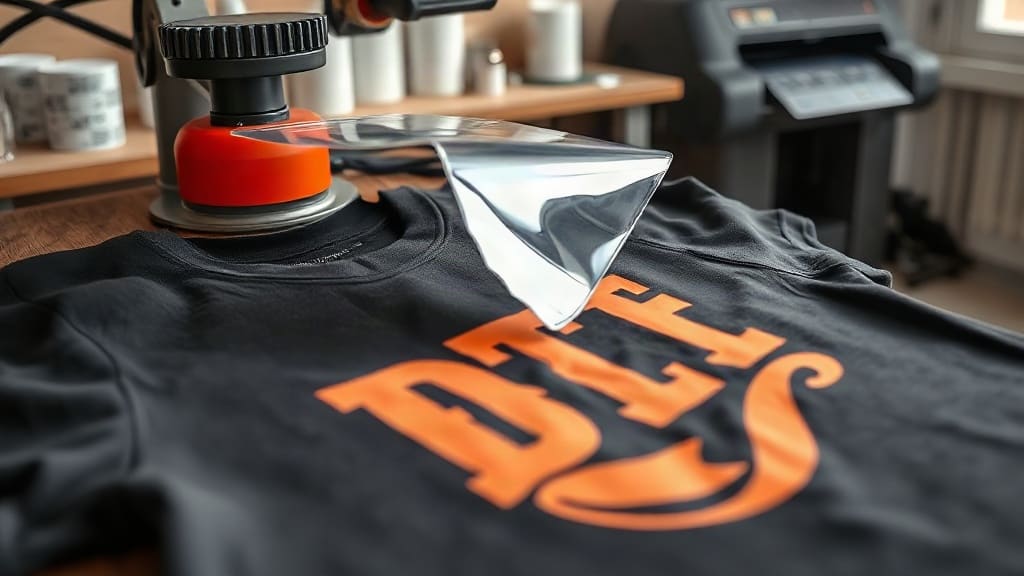
- Transfer: The film is placed onto the garment and heat-pressed at a specific temperature and pressure for a set time. Once cooled, the film is peeled away, leaving your vibrant design behind.
Each step requires precision, but with practice, it becomes a fast and efficient workflow.
Why Choose DTF Transfers Over Other Methods?
There are several compelling reasons why DTF transfers have become a favorite among apparel decorators. Let's explore the key benefits.
Unmatched Versatility
One of the biggest advantages is the ability to print on almost any fabric. From 100% cotton t-shirts to polyester performance wear, and even canvas bags and denim jackets, DTF transfers adhere reliably. This eliminates the need to stock multiple types of garments or turn away customers with unique requests.
Vibrant, Detailed Prints
DTF printers use CMYK plus white inks, allowing for a full spectrum of colors, including gradients, photorealistic images, and fine details. The white ink base ensures that colors remain bright even on dark backgrounds, something that other methods like sublimation struggle with.
Durability and Stretchability
When applied correctly, DTF transfers create a strong bond that withstands repeated washing and wearing. The prints are also stretchable, making them ideal for athletic wear and fabrics that need to move with the body. No more cracking or peeling after a few washes!
Cost-Effective for Small and Large Runs
Unlike screen printing, which requires separate screens for each color and becomes cost-effective only at high volumes, DTF transfers are economical for both small and large orders. There's no minimum order quantity, and you can print one-off designs without breaking the bank.
No Weeding or Cutting
Forget the tedious process of weeding vinyl. With DTF transfers, the design is printed and ready to press, saving you hours of labor and reducing waste.
Common Applications for DTF Transfers
DTF transfers are used across a wide range of industries and personal projects. Here are some popular applications:
- Custom T-shirts: Perfect for band merch, event shirts, and personalized gifts.
- Sportswear: Team jerseys, leggings, and performance gear benefit from the stretch and durability.
- Workwear: Uniforms and safety apparel can feature logos and names that withstand industrial laundering.
- Fashion: Boutiques and designers use DTF to add intricate patterns to jackets, jeans, and accessories.
- Promotional Items: Tote bags, hats, and even phone cases can be customized with DTF transfers.
Tips for Successful DTF Transfer Application
To get the best results from your DTF transfers, follow these expert tips:
- Use a Reliable Heat Press: Consistent temperature and pressure are crucial. Invest in a quality heat press with accurate controls.
- Pre-Press the Garment: This removes moisture and wrinkles, ensuring a smooth surface for the transfer.
- Follow the Recommended Settings: Each film manufacturer provides specific temperature, time, and pressure guidelines. Stick to them.
- Peel Correctly: Most DTF transfers are cold peel, meaning you wait until the film cools completely before peeling. This prevents the design from stretching or lifting.
- Test on Scrap Fabric: Before pressing onto a final garment, do a test run to dial in your settings.
- Store Films Properly: Keep unused films in a cool, dry place away from direct sunlight to maintain their adhesive properties.
DTF vs. Other Printing Methods: A Quick Comparison
How does DTF stack up against DTG, screen printing, and vinyl? Here's a brief comparison:
- DTF vs. DTG: DTF works on more fabrics, doesn't require pre-treatment, and often produces more vibrant colors on dark garments. DTG can be softer on 100% cotton but has limitations.
- DTF vs. Screen Printing: Screen printing is cost-effective for large orders of simple designs but requires setup and is limited to flat surfaces. DTF excels for complex, multi-color designs and small batches.
- DTF vs. Vinyl: Vinyl is great for simple text and shapes but can't handle intricate details or gradients. DTF offers full-color, photographic quality.
Frequently Asked Questions About DTF Transfers
How long do DTF transfers last?
When applied correctly and cared for properly, DTF transfers can last as long as the garment itself. They withstand dozens of washes without fading, cracking, or peeling. To maximize longevity, wash inside out in cold water and avoid harsh detergents or high heat in the dryer.
Can I use DTF transfers on dark colors?
Absolutely! DTF transfers are particularly effective on dark fabrics because the white ink base ensures that colors remain vibrant and opaque. This is a major advantage over other methods like sublimation, which requires light-colored polyester.
Do I need special equipment for DTF transfers?
To create DTF transfers, you need a DTF printer, PET film, adhesive powder, and a heat press. However, if you're buying pre-made transfers, you only need a heat press to apply them. Many suppliers offer ready-to-press transfers, making it accessible for beginners.
What fabrics work best with DTF transfers?
DTF transfers adhere well to cotton, polyester, blends, and even leather and nylon. They are not recommended for fabrics with a heavy silicone coating or waterproof treatments, as the adhesive may not bond properly.
How do I troubleshoot common DTF transfer issues?
Common issues include poor adhesion, dull colors, or peeling. Ensure your heat press is at the correct temperature, apply even pressure, and allow the transfer to cool completely before peeling. If colors appear dull, check that your white ink layer is sufficient and that the powder is fully cured.
Final Thoughts
DTF transfers have revolutionized the custom apparel industry by offering a versatile, durable, and cost-effective solution for printing vibrant designs on almost any fabric. Whether you're a seasoned professional or just starting out, incorporating DTF into your workflow can expand your offerings and delight your customers. With the right techniques and a bit of practice, you'll be creating stunning, long-lasting apparel in no time. So why not give DTF transfers a try? Your next masterpiece is just a press away.