
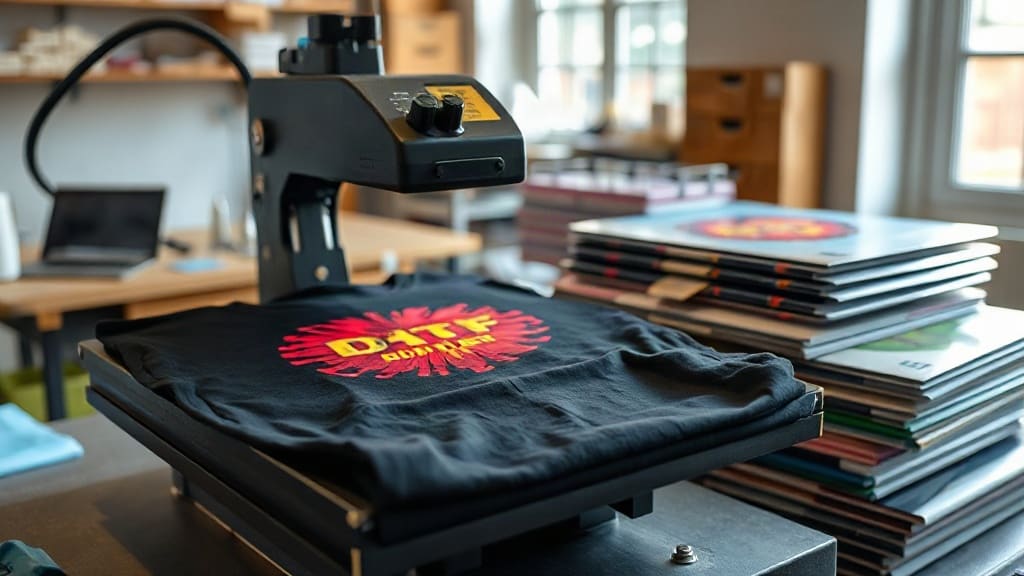
If you've been in the custom apparel game for even a little while, you've probably heard the buzz around DTF transfers. Maybe you've seen them on Instagram, or a fellow crafter swore by them. But what exactly are they, and why are they suddenly everywhere? In short, DTF (Direct to Film) transfers are a game-changer for printing on tricky fabrics like polyester, blends, and even nylon. They offer incredible detail, stretch, and durability without the hassle of weeding or the limitations of traditional vinyl. In this guide, I'll walk you through everything you need to know about DTF transfers, from how they work to how you can use them to level up your custom creations.
What Are DTF Transfers?
At their core, DTF transfers are a type of heat-applied transfer that involves printing a design onto a special film, coating it with adhesive powder, and then curing it. The result is a flexible, vibrant transfer that can be applied to a wide range of materials. Unlike DTG (Direct to Garment) printing, which requires the garment to be pre-treated and can be finicky with dark colors, DTF transfers work on virtually any fabric color and composition. The process starts with a digital printer that lays down CMYK inks plus white ink onto a PET film. The white ink acts as a base, allowing the colors to pop on dark garments. After printing, a hot-melt adhesive powder is applied to the wet ink, and the film is cured. This powder becomes the glue that bonds the design to the fabric when heat-pressed.
The DTF Printing Process Step by Step
Understanding the process helps you appreciate the results. Here's a quick rundown:
- Design Preparation: Your artwork is prepared in a RIP software, which separates the colors and adds the white underbase.
- Printing: The printer lays down the design onto a PET film. The white ink is printed first (or last, depending on the printer setup) to create a foundation.
- Powdering: While the ink is still wet, the film is covered with a fine adhesive powder. The excess powder is shaken off.
- Curing: The film goes through a curing oven or under a heat press to melt the powder, creating a smooth, dry transfer.
- Application: The transfer is then ready to be heat-pressed onto your fabric.
Each step is crucial, but once you have the transfers, applying them is a breeze. That's why many small businesses and hobbyists are switching to DTF transfers for their on-demand production.
Why Choose DTF Transfers Over Other Methods?
There are several printing methods out there, each with its pros and cons. So why are DTF transfers gaining so much traction? Let's break it down.
Fabric Versatility
One of the biggest advantages of DTF transfers is that they adhere to almost any fabric. Cotton, polyester, blends, spandex, nylon, leather, and even wood? Yes, you can press them onto wood! This versatility means you can offer your customers a wider range of products without investing in multiple printing techniques. For example, if you want to print on a polyester performance tee, DTF is a no-brainer because it stretches with the fabric and won't crack like some vinyls.
No Weeding Required
If you've ever spent hours weeding intricate vinyl designs, you know the pain. With DTF transfers, there's no weeding at all. The design comes ready to press, which saves you time and reduces waste. This is a huge plus for those who want to produce complex, multi-color designs quickly.
Vibrant Colors and Fine Details
DTF transfers can reproduce incredibly detailed graphics, including gradients, photographs, and fine lines. The white ink base ensures that colors remain vibrant even on dark garments. Unlike screen printing, there's no color separation or minimum order quantity. You can print one-off designs with full color complexity.
Durability and Stretch
When applied correctly, DTF transfers are extremely durable. They withstand repeated washing without fading, cracking, or peeling. The stretchability makes them ideal for activewear and garments that need to move with the body. I've personally tested DTF prints on athletic wear that have gone through dozens of wash cycles and they still look great.
How to Apply DTF Transfers: A Step-by-Step Guide
Applying DTF transfers is straightforward, but following the right steps ensures a professional finish. Here's how to do it:
What You'll Need
- Heat press (or a home iron, but a heat press is highly recommended)
- Your DTF transfer
- Garment (pre-pressed to remove moisture)
- Parchment paper or a Teflon sheet
Step-by-Step Application
- Preheat Your Heat Press: Set the temperature to around 325°F (160°C) for cotton, or 300°F (150°C) for polyester. Always check the transfer supplier's recommendations.
- Pre-Press the Garment: Press for 5-10 seconds to remove wrinkles and moisture. This step is crucial for proper adhesion.
- Position the Transfer: Place the DTF transfer on the garment with the printed side facing up. If your transfer has a white side, that's the adhesive side that goes down.
- Press: Cover with parchment paper or a Teflon sheet. Press with medium to heavy pressure for 15-20 seconds. For larger designs, you may need to press in sections to ensure even coverage.
- Peel: DTF transfers are typically cold peel or warm peel. Most are cold peel, meaning you wait until the transfer is completely cool before peeling off the film. Peel slowly at a low angle.
- Post-Press (Optional): Some people like to give it a second press for 5-10 seconds with parchment paper for extra durability. This can help the adhesive fully bond.
And that's it! You've got a professional-looking print that will last.
Common Mistakes to Avoid with DTF Transfers
Even though DTF is forgiving, there are a few pitfalls that can ruin your results. Here's what to watch out for:
- Insufficient Pressure: If you don't use enough pressure, the transfer won't adhere properly and may peel off after washing.
- Wrong Temperature: Too hot and you can scorch the fabric or melt the transfer; too cold and the adhesive won't activate. Always follow the recommended settings.
- Peeling Too Soon: If it's a cold peel, wait until it's completely cool. Peeling while hot can cause the design to stretch or tear.
- Not Pre-Pressing: Skipping the pre-press can trap moisture, leading to poor adhesion and a bumpy finish.
- Using the Wrong Film: There are different types of DTF film (hot peel vs cold peel). Make sure you know which one you have.
By avoiding these mistakes, you'll get consistent, high-quality results every time.
DTF Transfers vs. Other Printing Methods
Let's compare DTF transfers to some common alternatives to see where they shine.
DTF vs. DTG
DTG (Direct to Garment) prints directly onto the fabric. It's great for 100% cotton but struggles with polyester and dark colors. DTF, on the other hand, works on almost any fabric and doesn't require pre-treatment. DTF also tends to have a softer hand feel after washing.
DTF vs. Vinyl (HTV)
Heat transfer vinyl is great for simple designs but can't handle complex gradients or photos. Weeding vinyl is time-consuming and not cost-effective for multi-color designs. DTF eliminates weeding and can produce full-color images.
DTF vs. Screen Printing
Screen printing is cost-effective for large orders of simple designs, but it's not practical for small batches or intricate details. DTF has no minimum order and can print photographic images with ease.
Where to Get DTF Transfers
You have two main options: buy a DTF printer and make your own, or order transfers from a supplier. If you're just starting out, ordering from a supplier is more cost-effective. Many companies offer DTF transfer services where you upload your design and they ship you the transfers. If you're in the market for high-quality DTF transfers, check out 3dembroidered.com. They offer vibrant, durable transfers that are easy to apply. Plus, their customer service is top-notch.
Frequently Asked Questions About DTF Transfers
How long do DTF transfers last?
When applied correctly and cared for properly, DTF transfers can last as long as the garment itself. They withstand 50+ washes without fading or cracking. To extend their life, wash inside out in cold water and avoid bleach.
Can I use DTF transfers on polyester?
Absolutely! DTF transfers are one of the best options for polyester because they stretch with the fabric and don't require special pre-treatment. Just be sure to use a lower temperature (around 300°F) to avoid damaging the polyester.
Do I need a special printer for DTF transfers?
Yes, DTF printing requires a dedicated DTF printer that uses DTF inks and films. However, you can also order transfers from suppliers without investing in a printer.
What is the difference between hot peel and cold peel DTF transfers?
Hot peel transfers are peeled immediately after pressing while the transfer is still hot. Cold peel transfers must be allowed to cool completely before peeling. Cold peel is more common and gives a smoother finish.
Can I layer DTF transfers?
Yes, you can layer DTF transfers, but it's a bit tricky. You'll need to press the first layer, then press the second layer on top. Use a lower temperature for the second press to avoid remelting the first layer. It's often easier to combine elements into one transfer design.
DTF transfers are revolutionizing the custom apparel industry with their versatility, durability, and ease of use. Whether you're a hobbyist or a business owner, incorporating DTF into your workflow can open up new possibilities. Give them a try, and you might just find they become your go-to printing method.