
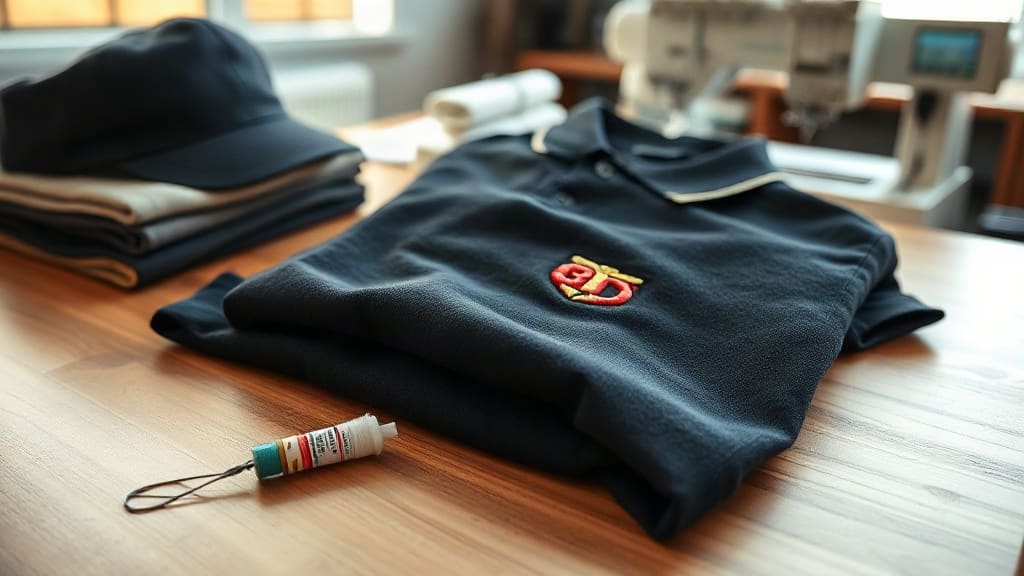
When you invest in custom 3D embroidery, the last thing you want is a design that looks flat or loses its shape after a few wears. The secret to achieving that coveted raised, sculpted look often lies not just in the embroidery technique but in the foundation: the blank garment. Enter smart blanks, a term that's gaining traction among embroidery enthusiasts and professionals alike. These aren't just any blanks; they're carefully engineered fabrics and garments designed to work in harmony with 3D embroidery, ensuring your designs pop with dimension and stand the test of time.
What Are Smart Blanks?
Smart blanks refer to garments or fabric substrates specifically optimized for 3D embroidery and other embellishment techniques. Unlike standard blanks, they feature characteristics such as tighter weave, consistent thickness, and enhanced stability that prevent the fabric from distorting under the dense stitching of 3D designs. The concept emerged from the need to reduce production issues like puckering, thread breaks, and design misalignment, which are common when using inappropriate blanks.
In essence, a smart blank is a blank that has been thoughtfully selected or engineered to complement the embroidery process, rather than just serve as a canvas. This could mean a polo shirt with a reinforced backing, a cap with a structured front panel, or a performance fabric that maintains its shape through multiple washes. The goal is to create a seamless integration between the embroidery and the garment, resulting in a professional finish that looks great and lasts.
Why Smart Blanks Matter for 3D Embroidery
3D embroidery, also known as raised embroidery or puff embroidery, involves stitching over a foam layer to create a three-dimensional effect. This technique demands more from the fabric than traditional flat embroidery. Without the right blank, you risk the foam shifting, the stitches sinking into the fabric, or the design becoming misshapen. Smart blanks address these challenges head-on.
Enhanced Stability and Shape Retention
Smart blanks are typically made from fabrics with a stable structure, such as tightly woven cotton, polyester blends, or specialized performance materials. This stability ensures that the foam and stitches remain in place, preserving the 3D effect. For example, a 100% cotton twill cap with a buckram front panel provides a rigid base that supports high-density 3D embroidery without sagging.
Improved Durability
Because 3D embroidery uses more thread and foam, it can be heavy. A flimsy blank might stretch or tear under the weight. Smart blanks are constructed to withstand this added bulk, often featuring reinforced seams and higher fabric weights. This means your embroidered logo or design will stay intact even after repeated wear and washing.
Consistent Results Across Production Runs
For businesses ordering bulk custom apparel, consistency is key. Smart blanks are manufactured with tight tolerances, so each garment in a batch behaves similarly during embroidery. This reduces the need for constant machine adjustments and ensures that every piece meets your quality standards.
How to Identify Smart Blanks
Not all blanks are created equal. When sourcing blanks for 3D embroidery, look for these indicators:
- Fabric weight and density: Heavier fabrics (e.g., 5.5 oz or higher for t-shirts, 10 oz for caps) provide a better foundation.
- Weave structure: Tight weaves like twill or poplin are ideal; loose knits may allow stitches to pull.
- Backing and stabilization: Some blanks come with fusible interfacing or built-in stabilizers that enhance embroidery performance.
- Washability: Pre-shrunk and colorfast fabrics ensure the garment and embroidery maintain their appearance over time.
- Brand reputation: Established blank suppliers often label their products as suitable for 3D embroidery or heavy decoration.
Additionally, many suppliers now offer sample kits so you can test embroidery on different blanks before committing to a large order. This hands-on approach is invaluable for determining which smart blanks work best for your specific designs.
Choosing the Right Smart Blank for Your Project
The ideal smart blank depends on the garment type and the intended use. Here's a breakdown for common items:
Polos and T-Shirts
For polos, look for 100% cotton or cotton-poly blends with a pique or jersey knit that's at least 5.5 oz. T-shirts should be 100% ringspun cotton or a cotton-poly blend with a tight knit. Avoid lightweight or sheer fabrics, as they won't support 3D embroidery.
Caps and Hats
Structured caps with buckram front panels are the gold standard for 3D embroidery. Unstructured caps may work if they have a firm backing, but they often lack the rigidity needed for high-density designs. Performance caps made from moisture-wicking polyester can also be smart blanks if they have a stable front panel.
Outerwear and Bags
Jackets and bags made from heavy-duty nylon, canvas, or denim are excellent smart blanks. They can handle the weight and density of 3D embroidery without deforming. Ensure that the area to be embroidered is reinforced or has a backing material.
Maximizing Results with Smart Blanks
Even with the best smart blanks, proper embroidery techniques are crucial. Work with a skilled embroiderer who understands how to adjust thread tension, stitch density, and underlay for 3D effects. Always test on a sample blank first to fine-tune settings. Additionally, consider the design itself: bold, simple shapes work best for 3D embroidery, as intricate details can get lost in the foam.
Another tip is to use a water-soluble topping on the embroidery area to prevent stitches from sinking into the fabric, especially on textured surfaces. This is particularly helpful when working with smart blanks that have a pronounced weave.
Common Mistakes to Avoid
Many embroiderers run into trouble by overlooking the blank's role. Here are pitfalls to steer clear of:
- Using lightweight or stretchy fabrics that distort under embroidery.
- Skipping stabilization, leading to puckering and misalignment.
- Choosing blanks with inconsistent thickness, causing uneven 3D effects.
- Ignoring care instructions, resulting in shrinkage or color bleeding that ruins the embroidery.
By avoiding these mistakes and selecting smart blanks, you'll save time, reduce waste, and deliver superior products.
Frequently Asked Questions
What exactly makes a blank 'smart' for 3D embroidery?
A smart blank has specific qualities like tight weave, appropriate weight, and stability that prevent distortion during 3D embroidery. It's designed to work with the embroidery process, not against it.
Can I use smart blanks for other types of embroidery?
Absolutely. Smart blanks are versatile and work well for flat embroidery, appliqué, and other techniques. Their stability benefits any embellishment that requires precision.
How do I test if a blank is suitable for 3D embroidery?
Order a sample and embroider a test design. Check for puckering, foam shifting, and overall appearance after washing. If the design holds up, it's likely a smart blank.
Are smart blanks more expensive?
They can be slightly pricier than basic blanks, but the reduced waste and higher quality results often justify the cost. Think of it as an investment in your brand's image.
Where can I find smart blanks?
Many blank apparel suppliers now categorize their products by suitability for decoration techniques. Look for terms like '3D embroidery friendly' or 'heavyweight' when browsing catalogs.
Elevate Your Embroidery with Smart Blanks
Incorporating smart blanks into your embroidery workflow is a game-changer. It transforms a good design into a great one, ensuring that every piece you create stands out for its quality and craftsmanship. Whether you're a small business owner, a promotional products distributor, or a DIY enthusiast, understanding and utilizing smart blanks will set your work apart. So next time you plan a 3D embroidery project, start with the right foundation. Your designs, and your customers, will thank you.