
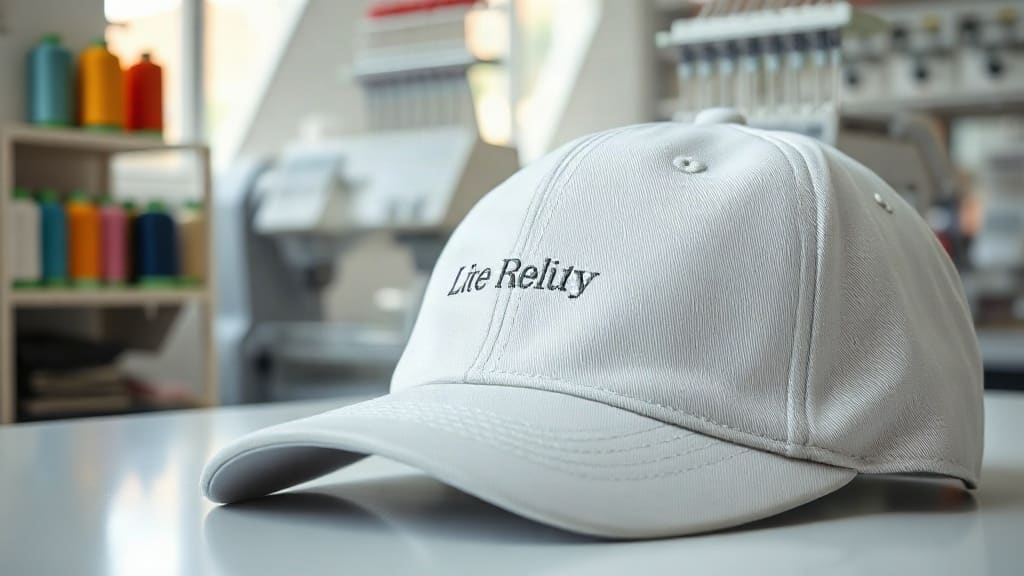
When you first dive into the world of 3D embroidery, you quickly realize that the magic isn't just in the design or the thread—it's in the foundation. That's where smart blanks come into play. If you've ever wondered why some 3D embroidered logos pop with crisp, towering dimension while others look flat or distorted, the answer often lies in the blank itself. In this article, we'll explore what smart blanks are, why they matter, and how choosing the right one can transform your embroidery projects from good to extraordinary.
What Are Smart Blanks?
Smart blanks are specially engineered fabrics or garments designed to optimize the 3D embroidery process. Unlike standard blanks, which may have inconsistent weave, stretch, or thickness, smart blanks are crafted with precision to provide a stable, consistent surface for high-density stitching. They often incorporate advanced materials like performance polyesters, cotton blends with tight weaves, or even foam-backed fabrics that support the raised effect of 3D embroidery.
But smart blanks aren't just about the fabric—they also encompass thoughtful construction details. Reinforced stitching areas, strategic seam placement, and even pre-shrunk treatments are all part of the smart blank philosophy. The goal is simple: give embroiderers a canvas that enhances, rather than hinders, the 3D effect.
Why Smart Blanks Matter for 3D Embroidery
3D embroidery, also known as raised embroidery, involves building up layers of thread and foam to create a sculpted, three-dimensional appearance. This technique demands a blank that can withstand the added weight and tension without puckering, sagging, or distorting. Smart blanks address these challenges head-on.
Stability and Structure
One of the biggest issues with standard blanks is their lack of structural integrity. When you stitch a dense 3D design onto a flimsy fabric, the fabric may stretch or warp, ruining the design. Smart blanks, however, are engineered with a stable backing or a tight weave that holds its shape. This stability ensures that your 3D elements remain crisp and defined, even after repeated wear and washing.
Enhanced Durability
3D embroidery is inherently more prone to snagging and abrasion because of its raised profile. Smart blanks often feature durable fibers and reinforced construction that can withstand the rigors of daily use. Whether it's a cap, a polo, or a jacket, the blank's durability directly impacts the longevity of the embroidery. Choosing a smart blank means your 3D design will look great for years, not just weeks.
Consistent Results
For professional embroiderers, consistency is key. Smart blanks are manufactured to tight tolerances, so each piece behaves predictably. This consistency reduces trial and error, saving time and reducing waste. When you know how a blank will perform, you can fine-tune your stitch settings and foam thickness with confidence, achieving uniform results across every garment.
How to Identify a Smart Blank
Not all blanks are created equal, and not every blank marketed as "smart" lives up to the hype. Here are key characteristics to look for:
- Fabric weight and density: Heavier fabrics (like 100% cotton twill or performance polyester) provide a better foundation for 3D embroidery than lightweight knits.
- Tight weave: A tight weave prevents the fabric from shifting during stitching, which is crucial for precise 3D effects.
- Reinforcement: Look for blanks with reinforced areas where embroidery will be placed, such as double-layer fabric or interfacing.
- Pre-shrunk: Pre-shrunk blanks minimize shrinkage after washing, preserving the embroidery's shape.
- Compatibility with foam: Some blanks are specifically designed to work with 3D foam, offering a smooth surface that adheres well.
Additionally, reputable blank manufacturers often provide detailed specifications, including stitch recommendations and care instructions. Don't hesitate to request samples to test before committing to a large order.
Choosing the Right Smart Blank for Your Project
The ideal smart blank depends on your specific application. Here's a quick guide:
Caps and Hats
For 3D embroidery on caps, look for structured front panels and a firm buckram backing. Smart blanks for caps often feature a tight weave and a smooth surface to support the raised foam without sagging. Performance fabrics like polyester are popular because they resist stretching and fading.
Polos and Button-Downs
When embroidering 3D logos on polos, choose a blank with a stable left chest area. Pique knits are common, but for 3D, a tighter weave like a fine twill or a cotton-rich blend works better. Ensure the blank has a fusible interfacing or a reinforced chest area to prevent the embroidery from pulling the fabric.
Jackets and Outerwear
Outerwear often requires 3D embroidery on heavier fabrics like denim, canvas, or softshell. Smart blanks in this category are typically durable and may include a backing to support the weight of the embroidery. Look for water-repellent or abrasion-resistant finishes if the garment will be used in tough conditions.
Tips for Working with Smart Blanks
Even with the best smart blank, technique matters. Here are some expert tips to get the most out of your 3D embroidery:
- Stabilize properly: Always use a cut-away stabilizer that matches the fabric weight. For stretchy smart blanks, a fusible poly-mesh stabilizer can help.
- Adjust stitch density: 3D embroidery requires higher stitch counts. Test on a scrap piece to find the sweet spot that builds height without over-compressing the foam.
- Use the right needle: A sharp needle (like a 75/11 or 80/12) works well for most smart blanks, but for denser fabrics, consider a titanium-coated needle for smoother penetration.
- Control foam thickness: Foam comes in various thicknesses (2mm, 3mm, 4mm). Start with 2mm for subtle 3D effects and increase for bolder looks. Ensure the foam is compatible with your blank.
- Test, test, test: Every smart blank behaves differently. Always run a test stitch on a sample before production.
Common Mistakes to Avoid
Even seasoned embroiderers can slip up when working with 3D embroidery. Avoid these pitfalls:
- Using inappropriate blanks: Not every blank is smart. Lightweight, stretchy fabrics will likely cause puckering and poor 3D definition.
- Skipping stabilizer: Without adequate stabilization, the embroidery will distort the fabric.
- Overlooking fabric grain: Stitching against the grain can lead to warping. Always align the design with the fabric's grainline.
- Ignoring care instructions: Some smart blanks require specific washing and drying to maintain their properties. Always follow the manufacturer's guidelines.
Frequently Asked Questions
What exactly are smart blanks?
Smart blanks are fabrics or garments engineered to provide optimal performance for 3D embroidery. They feature stable weaves, reinforced areas, and durable fibers to support raised stitching without distortion.
Can I use any blank for 3D embroidery?
No, not all blanks are suitable. 3D embroidery requires a stable, tightly woven fabric that can handle the weight and tension of dense stitching. Smart blanks are specifically designed for this purpose.
How do I know if a blank is smart?
Look for characteristics like tight weave, heavy fabric weight, reinforcement at embroidery areas, and pre-shrunk treatment. Reputable manufacturers often label smart blanks and provide specifications.
Do smart blanks cost more?
Smart blanks may have a higher upfront cost than standard blanks, but they reduce waste and rework, saving money in the long run. The enhanced durability also means the final product lasts longer.
Where can I buy smart blanks?
Many embroidery suppliers and online retailers specialize in smart blanks. At 3dembroidered.com, we offer a curated selection of smart blanks optimized for 3D embroidery. Browse our catalog to find the perfect foundation for your next project.