
In the competitive world of custom apparel, staying ahead means embracing innovation. Enter smart blanks, a game-changing concept that's redefining how designers and brands approach garment customization. Unlike traditional blanks, smart blanks integrate technology and thoughtful design to enhance both the creative process and the final product. Whether you're a small business owner or a seasoned apparel professional, understanding smart blanks can unlock new levels of efficiency and creativity.
What Are Smart Blanks?
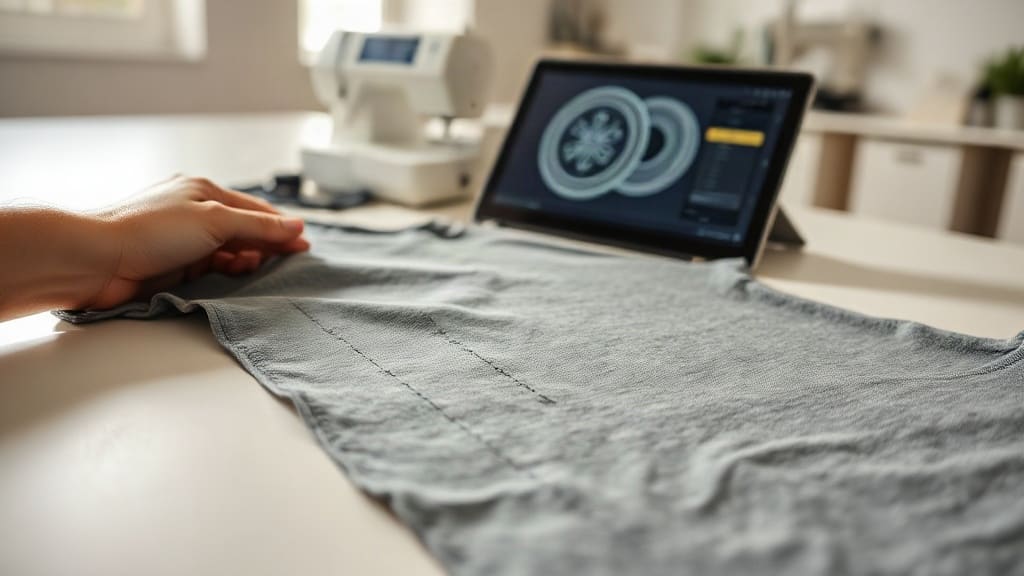
Smart blanks are garments engineered with features that facilitate customization, such as embedded markers for precise placement, moisture-wicking fabrics, or even conductive threads for tech-integrated wearables. They go beyond basic tees and hoodies by anticipating the needs of decorators and end-users alike. For example, a smart blank might have pre-marked alignment guides for screen printing or embroidery, reducing setup time and errors. This innovation stems from a deep understanding of the pain points in apparel decoration, from misaligned logos to fabric compatibility issues.
The Evolution from Basic Blanks
Traditional blanks served as canvas, but smart blanks are more like a canvas with built-in grid lines. They often come with digital assets, such as design templates or QR codes linking to care instructions. This evolution mirrors the broader trend of smart manufacturing, where data and connectivity enhance physical products. In apparel, smart blanks are gaining traction because they address the growing demand for personalization without compromising quality.
Key Benefits of Smart Blanks
Adopting smart blanks isn't just a tech upgrade; it's a strategic move. Here's why they're worth considering:
- Precision and Consistency: With built-in guides, every print or embroidery placement is exact, reducing waste and rework.
- Time Savings: Faster setup means quicker turnaround, crucial for tight deadlines.
- Enhanced Durability: Fabrics are often engineered to withstand repeated decoration processes.
- Tech Integration: Some smart blanks support conductive elements, opening doors to wearable technology.
- Eco-Friendly Options: Many smart blanks use sustainable materials and processes, aligning with consumer values.
These benefits translate to higher customer satisfaction and a stronger bottom line. For instance, a print shop using smart blanks reported a 30% reduction in misprints, according to industry anecdotes. While exact figures vary, the trend is clear: smart blanks streamline operations.
How Smart Blanks Work in Practice
Imagine you're tasked with embroidering 500 polo shirts for a corporate event. With traditional blanks, you'd measure and mark each shirt, a tedious process. With smart blanks, each shirt might have subtle laser-etched guides that align perfectly with your design. You simply hoop and stitch. The result? Uniformity across all 500 pieces, with minimal labor.
Moreover, smart blanks often come with digital twins, virtual replicas that allow you to preview designs in 3D before production. This reduces the need for physical samples, saving time and materials. Companies like 3D Embroidered are at the forefront, offering smart blanks that cater to embroidery and printing needs.
Integration with Digital Workflows
Smart blanks are designed to mesh with modern digital workflows. They may include NFC tags that, when scanned, provide access to design files or production history. This traceability is invaluable for quality control and brand transparency. As the industry moves toward Industry 4.0, smart blanks are a natural fit.
Choosing the Right Smart Blanks for Your Project
Not all smart blanks are created equal. Consider these factors:
- Fabric Type: Cotton, polyester, or blends? Each has different decoration compatibility.
- Decoration Method: Are you printing, embroidering, or heat-pressing? Ensure the blank supports your technique.
- Smart Features: Do you need alignment guides, conductive threads, or just a superior hand feel?
- Certifications: Look for OEKO-TEX or similar to ensure safety and sustainability.
- Supplier Reputation: Choose suppliers with a track record of quality and innovation.
Test samples before committing to a large order. A small trial run can reveal how the blank performs under your specific processes.
The Future of Smart Blanks
As customization demands grow, smart blanks will evolve. We can expect self-healing fabrics, integrated lighting, and even biometric sensors. The line between apparel and technology will blur, creating new opportunities for brands to differentiate. Early adopters will gain a competitive edge, while laggards may struggle to catch up.
For now, smart blanks represent a practical step forward. They solve real problems and enhance creativity. Whether you're a hobbyist or a large manufacturer, incorporating smart blanks into your toolkit is a smart move.
Frequently Asked Questions About Smart Blanks
What exactly makes a blank 'smart'?
A blank becomes 'smart' when it incorporates features that aid customization or add functionality, such as alignment markers, conductive threads, or digital integration. It's about enhancing the garment beyond basic fabric.
Are smart blanks more expensive than regular blanks?
They can be slightly pricier due to added technology, but the savings in time and reduced errors often offset the cost. Consider the total cost of ownership, not just the unit price.
Can I use smart blanks for any decoration method?
Most smart blanks are designed for common methods like screen printing, embroidery, and heat transfer. However, always check the supplier's recommendations for compatibility.
Where can I buy smart blanks?
Specialty suppliers and online platforms like 3dembroidered.com offer smart blanks. Look for suppliers that provide detailed specifications and samples.
Do smart blanks require special care?
Generally, they follow standard care instructions, but some with electronic components may need special handling. Always refer to the care label.