
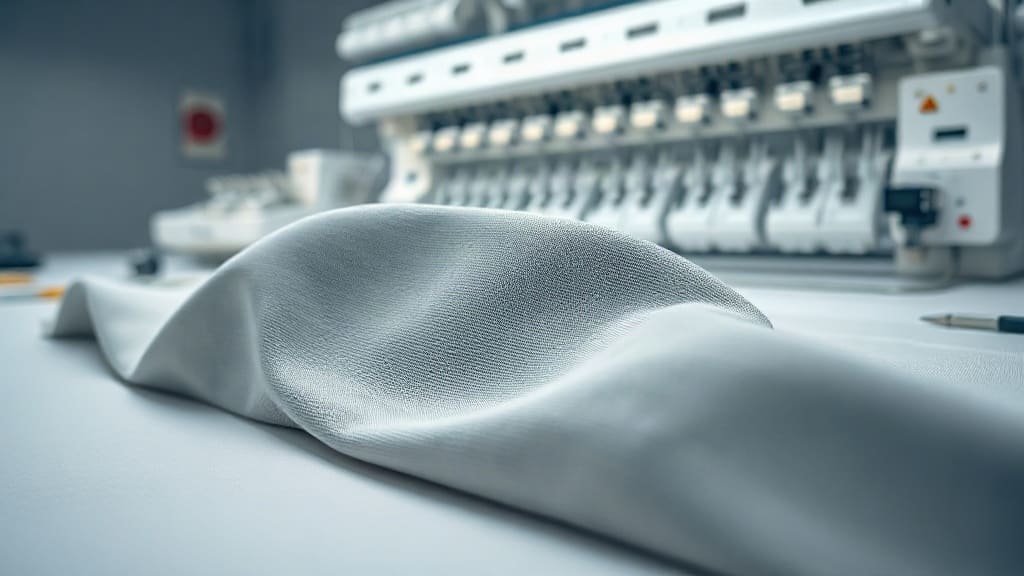
Imagine holding a piece of fabric that seems to understand exactly where your design should go, how it should sit, and even how it should react to its environment. That is the promise of smart blanks, a new category of apparel bases engineered for customization. Unlike traditional blanks that simply provide a canvas, smart blanks integrate subtle technologies and thoughtful construction to make decorating easier, more precise, and more impactful. Whether you are a small business owner, a DIY enthusiast, or a professional decorator, understanding smart blanks can give you a serious edge.
What Exactly Are Smart Blanks?
The term smart blanks refers to garments that are designed with built-in features to enhance the customization process. These are not just ordinary t-shirts or hoodies; they incorporate elements like alignment guides, specialized fabric blends, or even conductive threads that interact with printing or embroidery equipment. The goal is to reduce guesswork and improve consistency, especially when producing multiple items.
For example, some smart blanks come with subtle markings that help you center a logo perfectly every time. Others use fabrics that are optimized for specific decoration methods, such as sublimation or 3D embroidery, ensuring vibrant colors and durable results. The intelligence lies in the design, not in electronics, making them accessible to anyone.
A Shift from Generic to Purpose-Built
In the past, decorators had to adapt their techniques to whatever blank was available. That often meant trial and error, wasted materials, and inconsistent outcomes. Smart blanks flip that dynamic by providing a substrate that works with you. They are created with input from decorators, so every feature addresses a real pain point. This shift is similar to how smartphone cases evolved from generic covers to cases with built-in screen protectors and kickstands.
Why Smart Blanks Matter for Your Business
If you sell custom apparel, the quality of your blanks directly affects your reputation. Customers notice when a print is off-center or when embroidery puckers. Smart blanks help you avoid these issues, leading to happier clients and fewer returns. But the benefits go beyond quality control.
- Time savings: Pre-marked guides and optimized fabrics cut down prep time, allowing you to take on more orders.
- Cost efficiency: Fewer mistakes mean less wasted inventory and lower overhead.
- Creative freedom: With reliable bases, you can experiment with complex designs that might have been risky on standard blanks.
- Customer satisfaction: Consistent, professional results build trust and encourage repeat business.
Consider a scenario where you need to embroider 100 polo shirts with a left-chest logo. On traditional blanks, you might spend hours measuring and marking each shirt. With smart blanks that have alignment dots or stitching guides, you can load the hoop and go, reducing the process to minutes per shirt. That efficiency can be the difference between profit and loss on a large order.
Key Features to Look for in Smart Blanks
Not all smart blanks are created equal. As you explore options, pay attention to these characteristics that define a truly smart blank.
1. Fabric Technology
The fabric itself can be engineered for better decoration. For instance, some blends have a tighter weave that prevents distortion during embroidery, while others have a coating that helps sublimation inks bond more vividly. Moisture-wicking and antimicrobial properties are also becoming common, adding value for end-users. When choosing, consider the decoration method you use most and select a blank that complements it.
2. Alignment Aids
These are subtle visual cues, such as a small crosshair at the center of the chest or a line along the placket. They are usually printed with water-soluble ink that disappears after the first wash. Such aids are invaluable for ensuring symmetrical designs, especially on garments like hoodies where the front pouch can make centering tricky.
3. Construction Details
Smart blanks often feature reinforced seams, double-needle stitching, and tagless labels. These details not only improve comfort but also make the garment more durable, which reflects well on your brand. A blank that holds up after multiple washes keeps your design looking fresh.
4. Compatibility with Decoration Methods
Some smart blanks are specifically designed for 3D embroidery, with a thicker fabric that supports high-density stitching without buckling. Others are optimized for DTG printing, with a smooth surface that accepts ink evenly. Always test a sample before committing to a large order.
How to Integrate Smart Blanks into Your Workflow
Adopting smart blanks does not require a complete overhaul of your process. Start by identifying the steps where you lose the most time or make the most errors. Often, that is in placement and hooping. Introduce smart blanks for your most popular items and measure the improvement.
Train your team on the new features. Even simple alignment guides can be overlooked if no one knows they are there. Create a standard operating procedure that includes checking for these aids and using them consistently.
Also, communicate the benefits to your customers. Let them know you use smart blanks to ensure precision and quality. This can be a selling point, especially for corporate clients who value uniformity.
Common Misconceptions About Smart Blanks
There are a few myths floating around. One is that smart blanks are significantly more expensive. While they may cost a bit more per unit, the savings from reduced waste and labor often outweigh the difference. Another misconception is that they limit creativity. In reality, by providing a reliable foundation, they free you to be more creative because you are not worried about technical failures.
Some think smart blanks are only for large-scale operations. But small shops and hobbyists can benefit just as much, if not more, because they often lack the resources to fix mistakes. A single ruined shirt can eat into a tight profit margin.
Frequently Asked Questions About Smart Blanks
What are smart blanks made of?
Smart blanks are made from a variety of materials, including cotton, polyester, and blends. The "smart" aspect comes from the construction and added features, not necessarily the fiber content. Some may include conductive threads or special coatings, but most rely on physical design elements like alignment marks and optimized weaves.
Can I use smart blanks for any decoration method?
Most smart blanks are versatile and work with common methods like embroidery, screen printing, and heat transfer. However, some are tailored for specific techniques. Always check the manufacturer's recommendations to ensure compatibility with your chosen method.
Are smart blanks more expensive than regular blanks?
They can be slightly more expensive due to the additional design and features. However, the cost is often offset by reduced waste, faster production, and higher customer satisfaction. Think of it as an investment in quality and efficiency.
How do I find smart blanks?
Many apparel suppliers now carry smart blanks. Look for terms like "alignment guides" or "decoration-ready" in product descriptions. You can also ask your distributor for recommendations. At 3dembroidered.com, we specialize in smart blanks designed for 3D embroidery and other techniques, so you can trust the quality.
Do smart blanks shrink or fade?
Quality smart blanks are pre-shrunk and colorfast, just like premium traditional blanks. The smart features are designed to withstand washing and wear. Always follow care instructions to maintain appearance.
Smart blanks are more than a passing trend; they represent a fundamental improvement in how we approach custom apparel. By choosing them, you are not just buying a garment; you are investing in precision, efficiency, and creativity. As the industry evolves, those who embrace smart blanks will be better positioned to meet the demands of a competitive market. So next time you plan a project, consider the smart choice.